
Unlocking Tomorrow: How Laser Texturing Aluminum Alloys is Revolutionizing Surface Properties

"Explore the fascinating world of laser technology and its transformative impact on aluminum alloys, leading to groundbreaking advancements in material science."
In the realm of materials science, the ability to manipulate the surface properties of metals has opened doors to unprecedented innovation. One such innovation lies in the realm of laser texturing, a technology that is rapidly transforming the way we interact with aluminum alloys. This article dives into the science and applications of laser texturing, showcasing its potential to revolutionize various industries.
Aluminum alloys, known for their lightweight and strength, are critical materials in aerospace, automotive, and many other sectors. The surface characteristics of these alloys play a pivotal role in determining their performance, encompassing aspects like corrosion resistance, friction, and wetting behavior. Traditional methods have their limitations, but laser texturing offers a precise, versatile, and efficient approach to customize these crucial surface features.
This article explores how laser texturing works, the benefits it provides, and the exciting possibilities it unlocks. We'll examine the scientific principles behind this technology, its current applications, and how it's paving the way for future innovations. Prepare to be amazed by the transformative power of laser technology and its impact on the materials that shape our world.
The Science Behind Laser Texturing: A Closer Look
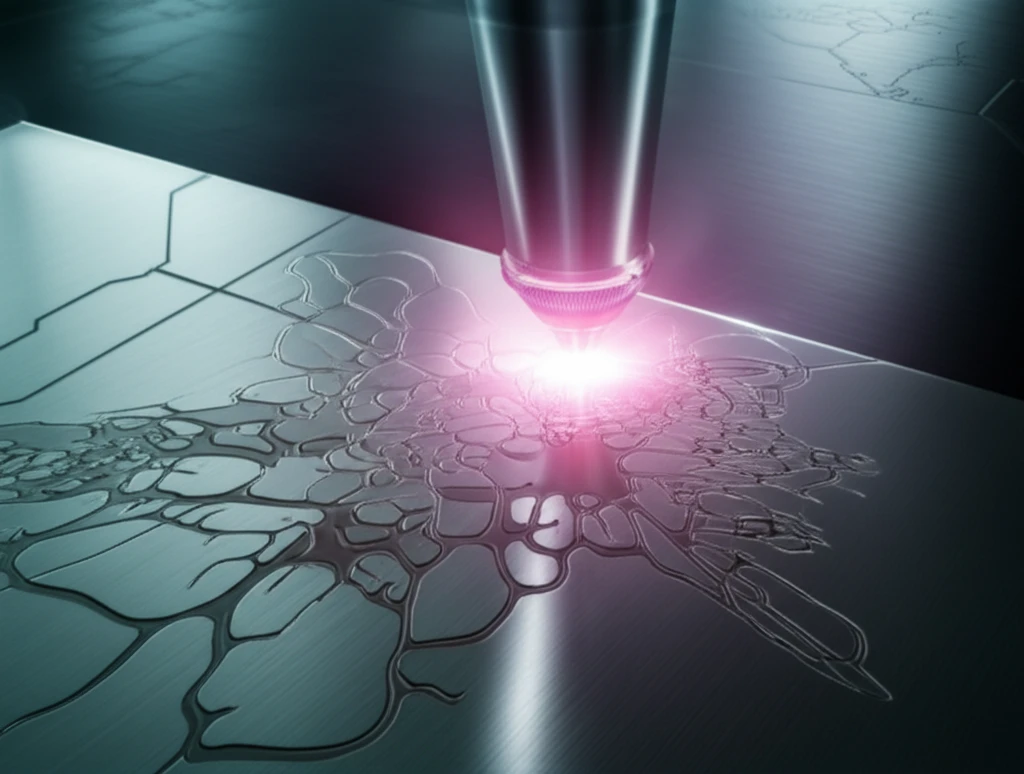
Laser texturing is a sophisticated process that uses high-precision lasers to modify the surface of a material. The laser beam is precisely directed onto the surface, where it interacts with the material in a controlled manner. This interaction leads to localized heating, melting, and even vaporization of the material, resulting in the formation of intricate surface patterns.
- Increased Surface Area: Texturing creates a larger surface area, which can improve the material's interaction with its environment.
- Enhanced Wettability: By modifying the surface, it becomes easier for liquids to spread and adhere to the material, and may have various applications such as anti-icing surfaces.
- Improved Corrosion Resistance: Texturing can create protective layers that shield the underlying material from corrosive agents.
- Reduced Friction: Specific surface patterns can reduce friction, improving the material's performance in moving parts.
The Future of Aluminum Alloys
Laser texturing represents a significant step forward in materials science. Its capacity to customize the surface of aluminum alloys opens new possibilities for various applications. As research continues to advance and refine the process, we can expect even more exciting innovations in the years to come. The future of aluminum alloys and other materials is undoubtedly being shaped by this cutting-edge technology, promising advancements that will drive innovation and improve our daily lives.