
Unlocking the Mystery of Bronchiectasis: What Hematologic Patients Need to Know

"A comprehensive look at bronchiectasis in patients with hematologic malignancies, its causes, and the latest treatment options."
Bronchiectasis, a chronic respiratory condition characterized by the abnormal widening of the bronchi, poses a significant health challenge, particularly for individuals with hematologic malignancies. While often underrecognized, this pulmonary complication can substantially impact the quality of life and overall prognosis of affected patients. Recent research sheds light on the de novo development of bronchiectasis in this specific population, independent of factors like stem cell transplantation (SCT), graft-versus-host disease (GVHD), and immunoglobulin deficiency.
The study highlights the importance of identifying and managing bronchiectasis in patients with hematologic malignancies, emphasizing the need for proactive monitoring and tailored treatment strategies. Understanding the unique risk factors and underlying mechanisms driving the development of bronchiectasis in this context is crucial for optimizing patient care and improving outcomes.
This article delves into the complexities of bronchiectasis in the setting of hematologic malignancy, exploring its clinical significance, diagnostic approaches, potential causes, and management strategies. By providing a comprehensive overview of this underrecognized pulmonary complication, we aim to empower patients, caregivers, and healthcare professionals with the knowledge needed to effectively address this challenging condition.
Immunoglobulin Testing Matters
The British Thoracic Society guideline recommends measuring serum Immunoglobulin G (IgG), Immunoglobulin A (IgA), and Immunoglobulin M (IgM) in all patients with bronchiectasis. This recommendation highlights the importance of evaluating immune status when bronchiectasis is identified. The guideline assigns this recommendation a grade of C.
Decoding Bronchiectasis: What It Means for Hematologic Patients
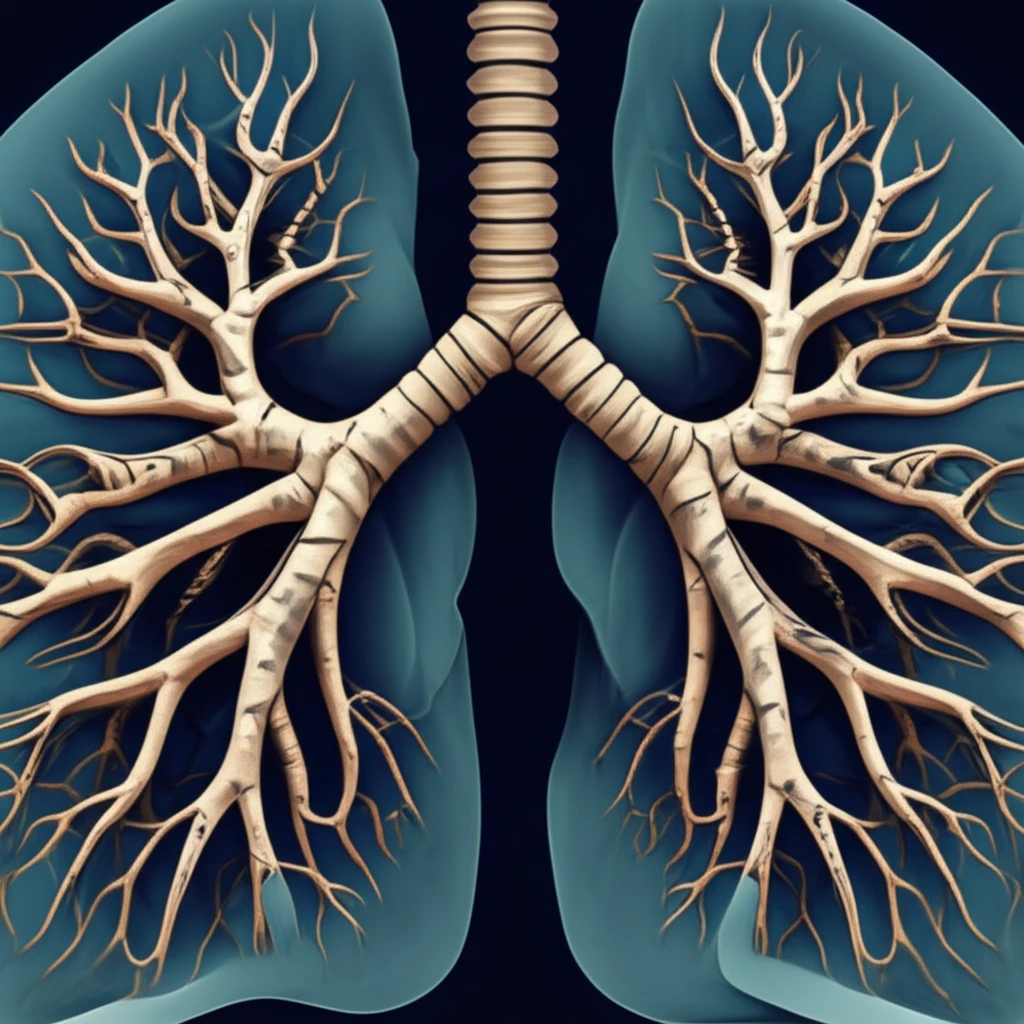
Bronchiectasis is defined by irreversible bronchial dilation, often stemming from inflammation or infection. In the context of hematologic malignancies, its emergence can be insidious, potentially complicating the clinical picture and demanding vigilant monitoring. The initial diagnosis of hematologic malignancy to the diagnosis of bronchiectasis can vary, underscoring the importance of continuous assessment.
- Irreversible Bronchial Dilation: Bronchiectasis is characterized by the permanent widening of the bronchi, making airways susceptible to mucus accumulation and infection.
- Association with Hematologic Malignancies: Patients with blood cancers may develop bronchiectasis due to weakened immune systems and exposure to toxic treatments.
- Progressive Lung Function Decline: The condition leads to a gradual decrease in lung capacity and efficiency, affecting overall respiratory health.
- Increased Airway Inflammation: Chronic inflammation exacerbates damage to the bronchial walls, leading to further dilation and dysfunction.
Evolving Treatment Research
Recent reviews describe bronchiectasis treatment as an active area of investigation. A review titled "New Perspectives in the Treatment of Bronchiectasis" summarizes current therapeutic approaches, emerging treatments, and ongoing or recently completed clinical trials. A separate 2026 Frontiers review examines drugs under clinical development for adults with bronchiectasis using scientific literature and clinical trial registries.
Diagnostic and Prognostic Limits
Several limitations complicate assessment of bronchiectasis in hematologic patients. The NHLBI states that a chest X-ray cannot detect bronchiectasis except in extreme cases, limiting its usefulness as a standalone test. Research in hematological malignancies also reports that it remains unclear whether bronchiectasis increases mortality directly or mainly marks patients with a poorer prognosis.
Different Hematologic Populations
Bronchiectasis has been documented in distinct hematologic populations, but reported frequencies vary by group and study design. In a chronic lymphocytic leukemia study of 203 subjects, CT review identified bronchiectasis in 88 patients, or 43.3%. The study also evaluated respiratory cultures, mortality, hospital admissions, antibiotic courses, and resistant-bacteria culture positivity.
Optimizing Care: The Path Forward for Hematologic Patients with Bronchiectasis
The development of bronchiectasis in patients with hematologic malignancies is likely multifactorial, stemming from the combination of described risk factors and unrecognized mechanisms directly related to the malignancy itself. Regardless of the underlying cause, early recognition and intervention are paramount to prevent disease progression and improve quality of life. Future research should focus on identifying specific biomarkers and risk factors to personalize treatment approaches and optimize care for this vulnerable patient population.
Bronchiectasis Across Hematologic Disease
Reviews and cohort research indicate that bronchiectasis is an important airway manifestation in hematologic malignancy. Reported de novo development can occur independently of malignancy subtype, receipt of stem cell transplantation, graft-versus-host disease, and immunoglobulin deficiency. Expert commentary identifies viral bronchiolitis, bronchiolitis obliterans syndrome, and bronchiectasis as common respiratory manifestations in this setting.
More Precise Disease Mapping
Future bronchiectasis research may increasingly examine the causes of decreased respiratory function. Recent review material describes the disease as heterogeneous in both etiology and clinical phenotype. Advances in imaging, microbiology, and biomarker profiling have helped refine diagnosis and identify endotypes characterized by neutrophilic or eosinophilic inflammation.
A Serious Complication
Patients with hematological malignancy can rapidly develop bronchiectasis, particularly those receiving rituximab or allograft hematopoietic stem cell transplantation, according to the cited research. The source reports that bronchiectasis may contribute substantially to morbidity and possibly mortality. In the setting of already compromised immunity, increased infection risk can lead to serious complications, prolonged hospitalizations, and greater morbidity and mortality.