
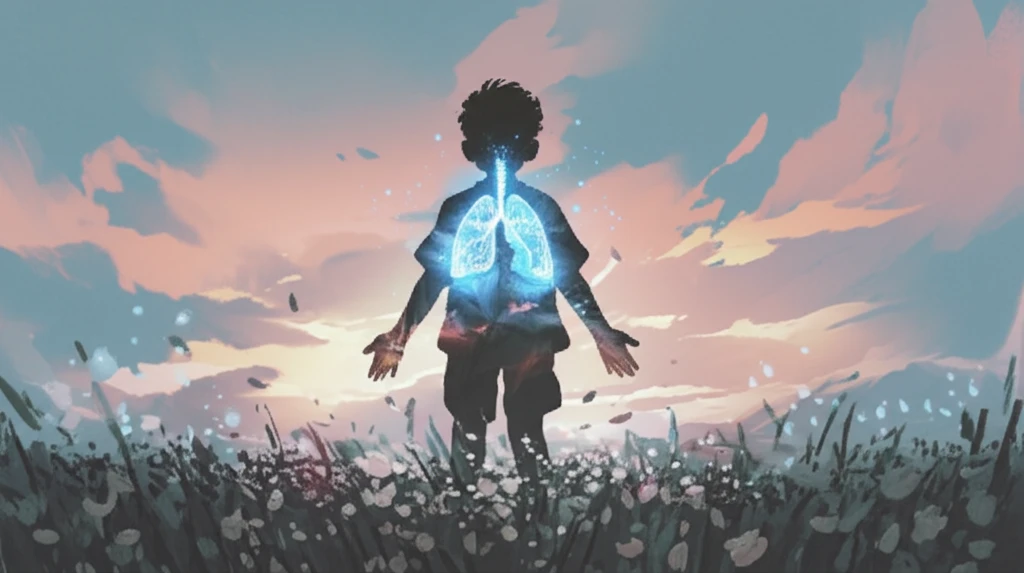
Breathing Easier: Understanding Long-Term Lung Health After Childhood Cancer

"A comprehensive look at the increased risk of pulmonary diseases among childhood cancer survivors and how to safeguard their respiratory health."
Childhood cancer is a battle fought with immense strength and resilience. However, the treatments necessary for survival can sometimes leave lasting effects, particularly on the delicate tissues of the lungs. For many childhood cancer survivors (CCS), the journey doesn't end with remission; it extends into managing potential long-term complications, with pulmonary diseases being a significant concern.
Pulmonary diseases, ranging from pneumonia to more severe conditions like lung fibrosis, can emerge as late effects of cancer treatments such as chemotherapy, radiation, and surgery. These conditions not only impact the quality of life but also increase the risk of mortality among survivors. Understanding the prevalence, risk factors, and preventative strategies is crucial for ensuring the well-being of CCS as they navigate adulthood.
Recent research has shed light on the specific pulmonary risks faced by CCS, emphasizing the need for vigilant monitoring and proactive care. By exploring these findings, we aim to empower survivors and their families with the knowledge to protect and maintain optimal lung health. This article delves into the long-term pulmonary challenges faced by CCS, offering insights into prevention, management, and the importance of continuous care.
The Growing Survivor Population
The National Childhood Cancer Registry tracks incidence and survival for cancers in children and young adults ages 0-39 diagnosed from 2001 forward. The Childhood Cancer Survivor Study, established in 1994, was created specifically to understand late effects that develop years after cancer treatment. Among these late effects, pulmonary complications—including asthma, chronic cough, emphysema, and lung fibrosis—represent significant long-term health challenges for survivors. The CDC provides tools like CDC WONDER and State Cancer Profiles to monitor both adult and childhood cancer trends across geographic regions.
Current Screening Paradigms
Current follow-up care guidelines for childhood cancer survivors vary significantly across institutions and countries, creating inconsistencies in pulmonary monitoring. Most existing guidelines recommend screening primarily for symptomatic survivors who received lung-damaging treatments, potentially missing subclinical dysfunction. This approach may leave gaps in early detection of pulmonary decline that could be addressed with timely intervention.
Establishing the Evidence Base
Systematic reviews have been instrumental in documenting the long-term impact of cancer treatment modalities on pulmonary function among survivors. Research has established that understanding specific long-term risks to pulmonary health is essential for refining screening guidelines and designing targeted interventions. This foundational work has helped identify which treatment exposures pose the greatest risks and informed the development of surveillance recommendations aimed at decreasing pulmonary morbidity and mortality for future cancer survivors.
Increased Pulmonary Risks in Childhood Cancer Survivors
A comprehensive study published in Pediatric Blood & Cancer highlights the increased risk of pulmonary diseases among Swiss CCS. The study, which included a nationwide cohort of survivors diagnosed between 1976 and 2005, found a significantly higher prevalence of pneumonia and chest wall abnormalities compared to their siblings. This underscores the critical need for ongoing monitoring and specialized care for CCS to mitigate potential long-term effects on lung health.
- Pneumonia: CCS have a higher prevalence of pneumonia compared to their siblings.
- Chest Wall Abnormalities: Thoracic surgery is a significant risk factor for chest wall issues.
- Lung Fibrosis: Also linked to thoracic surgery, indicating potential long-term damage.
- Specific Treatments: Busulfan, a chemotherapy drug, increases pneumonia risk.
New Surveillance Guidelines Emerge
In 2023, the International Late Effects of Childhood Cancer Guideline Harmonization Group convened 33 experts to develop evidence-based surveillance guidelines for pulmonary dysfunction. This harmonization effort addressed the problem that existing follow-up care guidelines were discordant across institutions. A 2025 study analyzed 104 childhood cancer survivors with pulmonary issues and found that genetic modifiers may influence pulmonary consequences of cancer therapy. Recent research also notes that post-treatment lung function remains understudied, with current guidelines recommending screening only for symptomatic survivors.
Unresolved Questions in Pulmonary Surveillance
Despite growing recognition of pulmonary risks, significant gaps remain in implementation of consistent screening protocols. The variability in institutional guidelines suggests that many survivors may not receive adequate pulmonary monitoring based on their individual treatment exposures. Additionally, the long-term interaction between pulmonary-toxic cancer treatments and subsequent environmental exposures remains poorly understood, leaving questions about cumulative risk unanswered.
Treatment-Specific Risk Profiles
Different cancer treatment modalities carry varying degrees of pulmonary risk, with some therapies like bleomycin and radiation to the chest well-established as lung-damaging. However, the relative contributions of specific agents, cumulative doses, and combination regimens to long-term pulmonary decline continue to be refined through ongoing research. The interaction between genetic susceptibility and treatment exposure represents an emerging area that may help explain why some survivors develop pulmonary complications while others with similar treatments do not.
Empowering Survivors Through Vigilant Care
The journey of a childhood cancer survivor is marked by resilience and strength, but it also requires ongoing vigilance to address potential long-term health challenges. By understanding the increased risks of pulmonary diseases and the factors that contribute to these risks, survivors, families, and healthcare providers can work together to implement proactive strategies for prevention and management. Regular monitoring, early intervention, and lifestyle adjustments can significantly improve the long-term respiratory health and overall quality of life for childhood cancer survivors. Continued research and awareness are essential to ensure that every survivor can breathe easier and live a full, healthy life.
Converging Expert Consensus
The convergence of multiple expert panels on the need for standardized pulmonary surveillance reflects growing recognition that childhood, adolescent, and young adult cancer survivors face meaningful pulmonary dysfunction risk. The 33-member expert panel convened by the Guideline Harmonization Group represents an effort to move beyond fragmented approaches toward unified, evidence-based recommendations. This collaborative approach aims to ensure that survivors receive consistent monitoring regardless of where they receive follow-up care, addressing the documented discordance in existing guidelines.
Shifting Mortality Patterns and Quality of Life
As pediatric cancer survivors continue to live longer, mortality related to late recurrence, second primary cancers, and treatment-related toxicities including pulmonary conditions has declined. However, this progress is offset by increasing mortality from external causes such as accidents and suicide, highlighting the complex challenges facing the survivor population. Substantial improvements in survival rates have created a growing population of survivors who carry a significant burden of morbidity, with subsequent neoplasms and cardiovascular diseases among the most prevalent long-term conditions.
The Burden of Survivorship
The population of childhood cancer survivors has grown considerably due to treatment advances, yet these survivors face high morbidity and mortality from their cancer or its treatment. They experience increased risk of premature mortality, second primary tumors, and both physical and psychosocial late side effects that diminish quality of life. The long-term consequences of pulmonary-toxic treatments remain incompletely characterized, with uncertainty about how cumulative exposures to known lung carcinogens will affect survivors' pulmonary function and risk of developing malignant disease over their lifetimes.
Measuring Real-World Pulmonary Outcomes
The Childhood Cancer Survivor Study, a multicenter cohort study using patient-reported data, has documented a slightly increased cumulative incidence of pulmonary disease in childhood cancer survivors compared to the general population. This patient-reported outcome data provides crucial insight into how pulmonary complications affect daily activities and quality of life for survivors. The study's multicenter design strengthens the generalizability of its findings across diverse treatment centers and survivor populations.