
Unlocking the Mystery of Bronchiectasis: What Hematologic Malignancy Patients Need to Know

"A comprehensive guide to understanding bronchiectasis, its connection to hematologic malignancies, and how early detection can optimize care."
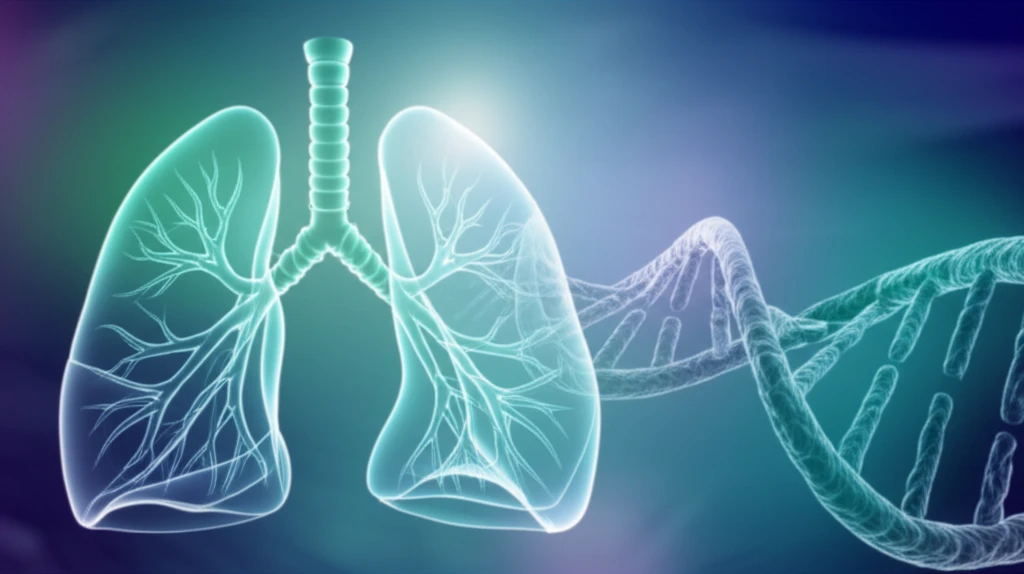
Bronchiectasis, a chronic respiratory condition characterized by the irreversible widening of the bronchi, is increasingly recognized as a significant complication in patients with hematologic malignancies. While traditionally associated with cystic fibrosis or chronic infections, this lung disease presents a unique set of challenges when it develops in individuals undergoing treatment for blood cancers. Understanding the interplay between hematologic malignancies and bronchiectasis is crucial for early diagnosis, effective management, and improved patient outcomes.
Hematologic malignancies, such as leukemia, lymphoma, and myeloma, often require intensive chemotherapy, radiation, and stem cell transplantation. These treatments can weaken the immune system, making patients more susceptible to infections and lung damage. Furthermore, conditions like graft-versus-host disease (GVHD), a common complication after stem cell transplantation, can also contribute to the development of bronchiectasis. This complex interplay of factors creates a perfect storm for pulmonary complications, highlighting the need for heightened awareness and proactive monitoring.
Recent studies have shed light on the de novo development of bronchiectasis in patients with hematologic malignancies, emphasizing that this condition can occur independently of factors like malignancy subtype, stem cell transplantation, or immunoglobulin deficiency. This discovery underscores the importance of considering bronchiectasis as a potential pulmonary complication in all patients with hematologic malignancies, regardless of their treatment history or immune status. Early identification and appropriate management are key to mitigating the impact of this underrecognized condition.
Conservation Sources, Not Bronchiectasis Statistics
The supplied sources do not provide current statistics about bronchiectasis or hematologic malignancy. Instead, they describe wildlife and nature conservation as efforts to protect species, habitats, ecosystems, and biological diversity. The materials also identify wildlife sanctuaries and national parks as protected areas for conserving particular species, ecosystems, and natural resources.
Evidence Is Not Provided
No source material was supplied for this subsection. Accordingly, no specific standard approach, accepted method, or limitation can be established from the available evidence. Any discussion of bronchiectasis management would require appropriately sourced clinical material.
Historical Evidence Is Not Provided
No sources were supplied describing the history of bronchiectasis or its foundational discoveries. A responsible historical account would need evidence about milestones in recognizing, diagnosing, and treating the condition. Those details cannot be inferred from the provided material.
Decoding Bronchiectasis: What is it and Why Does it Matter?
Bronchiectasis occurs when the airways in the lungs become damaged and widened, leading to a buildup of mucus and increased susceptibility to infections. This chronic inflammation and recurrent infections further damage the airways, creating a vicious cycle of destruction. Symptoms can range from a persistent cough with mucus production to shortness of breath, wheezing, and recurrent respiratory infections. In severe cases, bronchiectasis can lead to impaired lung function, reduced quality of life, and even respiratory failure.
- Risk Factors: Chemotherapy, radiation, stem cell transplantation, GVHD, and immune deficiencies are all potential risk factors for bronchiectasis in this patient population.
- Diagnostic Insights: High-resolution CT (HRCT) scans are crucial for diagnosing bronchiectasis, revealing characteristic features such as bronchial dilatation and airway thickening.
- Management Strategies: Treatment typically involves a combination of antibiotics to combat infections, airway clearance techniques to remove mucus, and bronchodilators to open up the airways. In some cases, surgery may be necessary to remove damaged lung tissue.
Research Sources Are Not Provided
No source material was supplied for this subsection. Therefore, the available evidence does not support specific claims about recent bronchiectasis research or clinical reviews. Current research developments would need to be evaluated using dedicated medical sources.
Limitations Cannot Be Assessed
No sources were provided addressing competing interpretations, treatment failures, or limitations in bronchiectasis care. Without that evidence, it would be speculative to identify a counterargument or characterize any approach as unsuccessful. Further clinical documentation would be needed for a factual analysis.
Comparative Evidence Is Not Provided
No source material was supplied for comparing bronchiectasis with other conditions or comparing diagnostic and treatment strategies. The available information therefore does not establish differences in causes, symptoms, outcomes, or care. Any comparison would require sources specifically addressing the conditions or approaches being compared.
Empowering Patients Through Awareness and Action
The development of bronchiectasis in patients with hematologic malignancies is a complex issue that requires a multidisciplinary approach. By raising awareness among healthcare professionals and patients, promoting early detection, and implementing effective management strategies, we can improve the lives of individuals affected by this underrecognized pulmonary complication. If you or a loved one is undergoing treatment for a hematologic malignancy, talk to your doctor about the risk of bronchiectasis and the importance of regular lung health monitoring.
What Bronchiectasis Means
The NHLBI and Cleveland Clinic describe bronchiectasis as airway damage that causes the tubes carrying air in and out of the lungs to widen or develop pouches, making mucus clearance difficult. Both sources connect the condition with mucus retention and frequent or recurrent lung infections. The New England Journal of Medicine review characterizes bronchiectasis as a syndrome involving abnormal airways, chronic cough, sputum production, and respiratory impairment. These descriptions are consistent with the broader summary that bronchiectasis may also involve shortness of breath, coughing up blood, chest pain, wheezing, and nail clubbing.
Managing a Chronic Condition
WebMD describes bronchiectasis as a chronic disease that can worsen over time. The same source reports that proper care and treatment can help people manage the condition. This supports an outlook focused on ongoing management rather than assuming that the disease will resolve on its own.
Context Requires More Evidence
The supplied sources do not address broader systemic challenges surrounding bronchiectasis. They therefore do not establish how healthcare access, hematologic malignancy, public health systems, or social conditions affect diagnosis or treatment. Those issues should be discussed only with evidence specifically covering them.
Patient Impact Requires Specific Evidence
The available sources do not provide patient narratives or evidence about the lived experience of bronchiectasis in people with hematologic malignancies. They do indicate that bronchiectasis can involve chronic cough, sputum production, respiratory impairment, mucus-clearance problems, and frequent infections. More patient-centered sources would be needed to describe its emotional, practical, and day-to-day effects.