
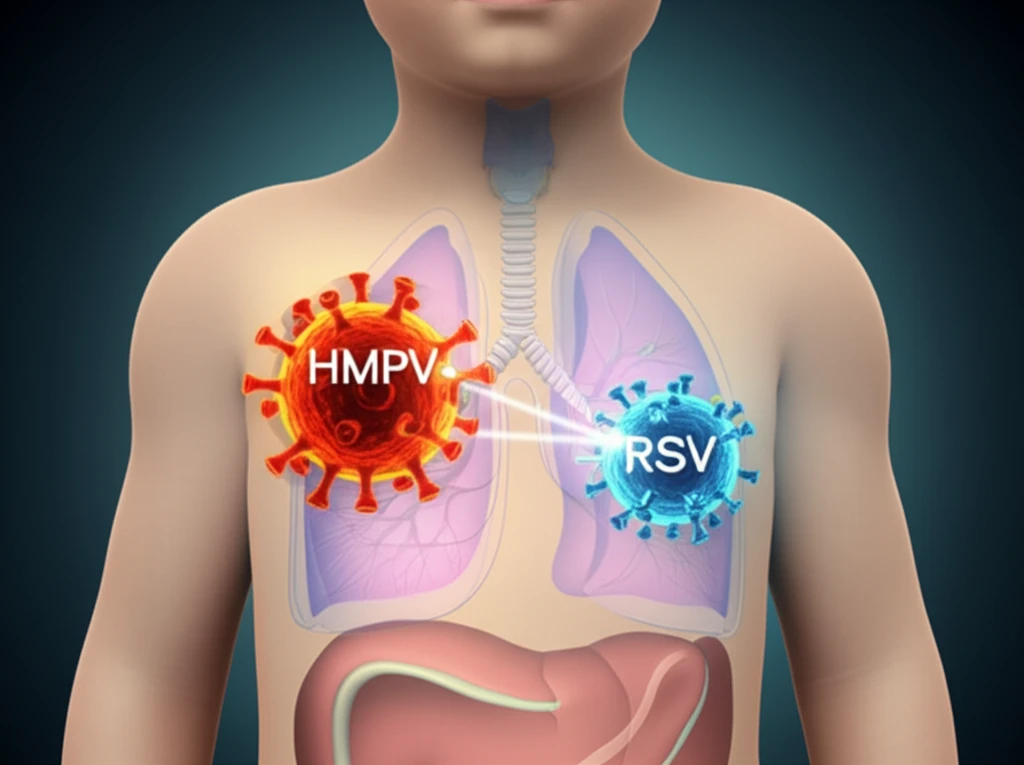
HMPV vs. RSV: Understanding Respiratory Infections in Children

"A comprehensive guide to understanding the clinical and epidemiological differences between Human Metapneumovirus (HMPV) and Respiratory Syncytial Virus (RSV) in children."
Respiratory infections are a common concern for parents, especially when it comes to their children. Two viruses often in the spotlight are Human Metapneumovirus (HMPV) and Respiratory Syncytial Virus (RSV). Both can cause similar symptoms, making it challenging to differentiate between them. Understanding the key differences in their clinical and epidemiological characteristics is essential for effective management and prevention.
HMPV and RSV are significant contributors to respiratory illnesses in children worldwide. While RSV has long been recognized as a primary cause of bronchiolitis and other respiratory issues, HMPV has emerged as another frequent culprit. Both viruses circulate during similar seasons, primarily in the winter and spring, adding to the confusion in diagnosis.
This article aims to provide a clear comparison of HMPV and RSV, drawing on the insights from a study conducted in Seoul, Korea, between 2003 and 2008. By examining the clinical and epidemiological differences, we can better equip parents, caregivers, and healthcare professionals with the knowledge needed to protect our children.
Tracking HMPV’s Burden
The CDC’s National Respiratory and Enteric Virus Surveillance System dashboard provides national HMPV data that can be filtered by HHS region, surveillance year, and virus. An archived CDC page notes that HMPV surveillance data moved to the NREVSS Interactive Dashboard on May 8, 2024. Research describes HMPV as seasonal, sometimes occurring with other respiratory pathogens, and associated with acute respiratory infections and exacerbations of asthma or chronic obstructive pulmonary disease.
Diagnosis and Its Limits
Current HMPV testing includes respiratory viral panel multiplex nucleic acid assays, a category addressed by FDA class II special-controls guidance. Research has also reported rapid antigen detection methods tested with recombinant antigen, cell culture-derived HMPV, and nasopharyngeal swab specimens. These approaches may improve convenience during epidemic seasons, but reviews continue to identify gaps in HMPV epidemiology, pathogenesis, diagnosis, and research, while laboratory work notes that little is known about HMPV in children at high risk for lower respiratory tract infection.
A Relatively Recent Discovery
HMPV’s historical timeline is often described as beginning with its identification in 2001. Some review material nevertheless reports that the virus had been circulating globally for more than 70 years before it was recognized. This contrast illustrates how retrospective discovery can differ from the longer history of an infection in human populations.
HMPV and RSV: What Are the Key Differences?
While HMPV and RSV share many similarities, there are several critical differences to consider. A study examined over 1,000 pediatric patients hospitalized with acute respiratory infections to pinpoint these distinctions. Here’s what the research revealed:
- Age matters: HMPV-induced wheezing illness was more common in older patients than RSV infections.
- Seasonal patterns: RSV infections peaked in the fall and winter, followed by HMPV infections in the winter and spring.
- Eosinophil counts: RSV patients had significantly higher eosinophil counts compared to those with HMPV.
Research Priorities
Recent reviews aim to clarify HMPV’s role in respiratory disease dynamics and inform future research, diagnostics, and public health policy. A 2025 systematic review characterizes HMPV as a potential threat to vulnerable populations and states that no approved vaccines or antiviral treatments are currently available. Another review notes that HMPV can resemble RSV, influenza, and SARS-CoV-2 clinically, while still producing serious complications.
Gaps in Management
Reviews identify the absence of a specific antiviral treatment as a continuing challenge in HMPV care. One 2025 review also emphasizes diagnostic challenges and the need for improved therapeutic strategies. Another review reports that HMPV was first identified in 2001, describes global circulation for more than 70 years, and claims a 17% increase in pediatric hospitalizations from 2023 to 2025; that hospitalization figure is a report from that review rather than a finding corroborated by the other listed source.
HMPV and RSV Compared
HMPV and RSV are genetically related viruses and major causes of medically attended acute respiratory illness in children. Research comparing illness severity has not reached consensus. A further complication is that HMPV co-infections with other respiratory viruses may produce more severe disease and more hospital admissions or testing than HMPV infection alone, potentially affecting comparisons.
Protecting Our Children: Key Takeaways
Understanding the nuances between HMPV and RSV is crucial for parents and caregivers. While both viruses pose a risk to children's respiratory health, recognizing their unique characteristics can lead to more informed decisions and better care. Stay vigilant, consult healthcare professionals, and prioritize preventive measures to safeguard our children from these common respiratory infections.
Interpreting the Evidence
The available material suggests that HMPV is an important respiratory pathogen, but its clinical burden and comparative severity remain areas of active study. Diagnostic advances may improve detection, while the absence of approved vaccines or antiviral treatments leaves prevention and management with important unresolved questions. Interpretations should therefore account for differences in surveillance, testing, vulnerable populations, and possible co-infections.
Next Research Frontiers
Future work is likely to focus on molecular characterization, epidemiological trends, public health responses, improved diagnostics, and therapeutic development. One source places the annual global death toll from acute respiratory infections at more than four million and identifies young children, older adults, and immunocompromised people as high-risk groups affected by HMPV. Another review similarly emphasizes HMPV’s importance in young, elderly, and immunocompromised populations and the need to advance understanding of its community and hospital burden.
A Wider Public Health Context
HMPV must be considered within the broader challenge of respiratory infections, which affect populations differently according to age, immune status, and underlying vulnerability. Research and surveillance are complicated by overlapping symptoms with other respiratory viruses and by possible co-infections. These factors make consistent testing, comparison, and public health planning important but difficult.
From Cases to Care
HMPV is described as a substantial cause of acute lower respiratory infections, particularly in young children, older adults, and immunocompromised patients. The virus was first identified in 2001 and has shown a seasonal pattern, with illness ranging from moderate to severe respiratory disease. Clinical resources also describe real pneumonia cases and ongoing vaccine research involving rHMPV-Pa and mRNA-1653 trials, underscoring the connection between patient outcomes and future prevention efforts.