
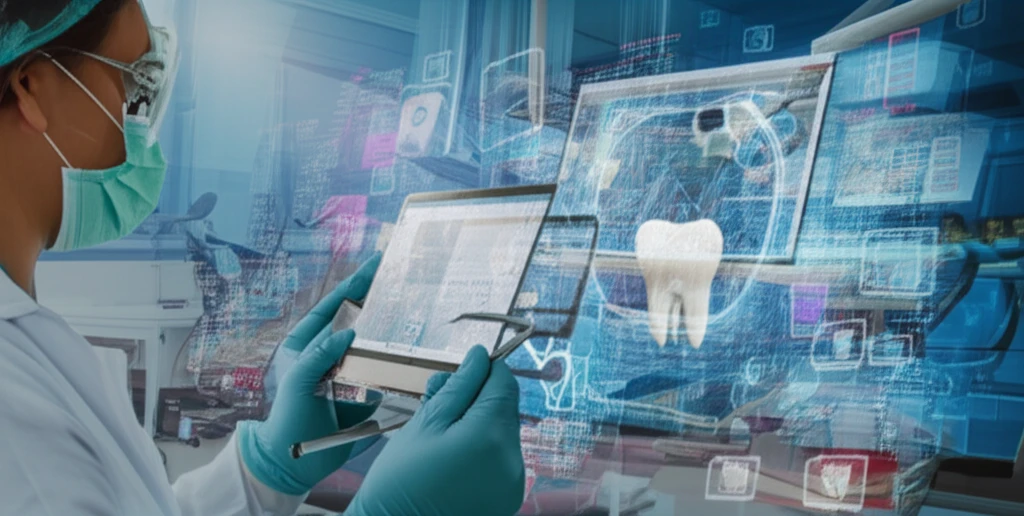
Dentist using open-source software.

Open Source Dental Software: The Future of Affordable Dentistry?

"Discover how open-source software is revolutionizing dental practices, offering cost-effective and customizable solutions for modern dentistry."


In today's rapidly evolving technological landscape, dental practices face increasing pressure to adopt digital solutions for managing patient records, imaging, and treatment planning. The costs associated with proprietary, commercial software can be a significant burden, especially for smaller clinics or those serving underserved communities. Enter open-source software (OSS), a compelling alternative that promises to democratize access to cutting-edge tools and revolutionize the way dentistry is practiced.

Open-source software isn't just about saving money; it's about empowering dental professionals with the flexibility to tailor their software to meet their specific needs. Unlike commercial options with fixed features and restrictive licenses, OSS allows users to modify the source code, add functionalities, and collaborate with a global community of developers. This collaborative spirit fosters innovation and ensures that the software evolves to address the real-world challenges faced by dentists every day.

This article delves into the world of open-source software in dentistry, exploring its potential to transform dental care. We'll examine the current landscape of OSS solutions, discuss their benefits and challenges, and consider how they might shape the future of affordable, accessible dental services. Whether you're a seasoned dentist, a tech-savvy student, or simply curious about the intersection of technology and healthcare, this guide will provide valuable insights into the open-source revolution in dentistry.

What is Open-Source Software and Why Does It Matter for Dentists?

Dentist using open-source software.

At its core, open-source software is computer software with its source code made available and accessible with a license in which the copyright holder provides the rights to study, change, and distribute the software to anyone and for any purpose. This transparency and collaborative nature stand in stark contrast to traditional proprietary software, where the source code is kept secret and users are bound by restrictive licenses.

For dentists, the implications of open-source software are profound. Here's why OSS matters:

  • Cost Savings: OSS eliminates the need for expensive licenses, reducing the financial burden on dental practices, especially startups and clinics in low-income areas.
  • Customization: Dentists can modify the software to fit their unique workflows and integrate it with existing systems, something rarely possible with commercial options.
  • Innovation: The collaborative open-source community fosters rapid innovation, leading to new features and solutions that address specific dental challenges.
  • Security: While often debated, the open-source model can enhance security through community review and faster identification of vulnerabilities.
  • Independence: Dentists are not locked into a single vendor and can choose from a variety of OSS solutions, ensuring they have the best tools for the job.
The open-source movement has gained significant traction in various industries, including healthcare. However, its adoption in dentistry has been relatively slow. Understanding the available OSS packages, their applications, and the quality of research supporting them is crucial for making informed decisions about integrating these solutions into dental practices.

The Future of Open-Source in Dentistry: Challenges and Opportunities

While open-source software holds immense promise for the future of dentistry, several challenges must be addressed to ensure its widespread adoption and success. These include the need for better documentation, user-friendly interfaces, and robust support systems. Additionally, concerns about data security and regulatory compliance must be carefully considered. However, the potential benefits of OSS – increased affordability, customization, and innovation – are too significant to ignore. As the open-source community continues to grow and mature, we can expect to see more and more dental practices embracing these solutions and transforming the way they deliver care.

About this Article -

This article was crafted using a human-AI hybrid and collaborative approach. AI assisted our team with initial drafting, research insights, identifying key questions, and image generation. Our human editors guided topic selection, defined the angle, structured the content, ensured factual accuracy and relevance, refined the tone, and conducted thorough editing to deliver helpful, high-quality information.See our About page for more information.

Everything You Need To Know

1

What exactly is open-source software, and why should dentists consider using it?

Open-source software (OSS) is computer software where the source code is accessible, allowing users to study, modify, and distribute it. For dentists, this means potential cost savings by eliminating expensive licenses. They also gain the ability to customize the software to fit specific workflows and integrate it with existing systems. The collaborative nature of the open-source community can foster rapid innovation, addressing unique dental challenges and enhancing security through community review. Also, dentists are not tied to one vendor.

2

How does open-source software help in reducing costs for dental practices, especially for smaller clinics?

Open-source software (OSS) significantly reduces costs for dental practices because it eliminates the need for expensive proprietary software licenses. Smaller clinics or those in low-income areas benefit the most, as they can access cutting-edge tools without the burden of high initial and recurring licensing fees. This allows them to allocate resources to other critical areas such as patient care and equipment upgrades. The money saved can greatly help such dental practices.

3

What are the main advantages of using open-source solutions over traditional commercial dental software?

The primary advantages of open-source software (OSS) over commercial dental software are cost savings, customization, innovation, security, and independence. OSS eliminates licensing fees, enables dentists to tailor the software to their needs, fosters rapid innovation through community collaboration, can enhance security through community review, and prevents vendor lock-in, allowing dentists to choose the best tools for their practice. Commercial dental software typically lacks the customizability and cost effectiveness seen in OSS.

4

What are some of the challenges that need to be addressed for the widespread adoption of open-source software in dentistry?

Several challenges must be addressed to ensure the widespread adoption of open-source software (OSS) in dentistry. These include the need for better documentation to guide users, user-friendly interfaces that are easy to navigate, and robust support systems to assist with implementation and troubleshooting. Additionally, concerns about data security and regulatory compliance, such as HIPAA, must be carefully considered to ensure patient information is protected. Addressing these challenges is crucial for building trust and confidence in OSS solutions among dental professionals.

5

How does the collaborative nature of open-source software contribute to innovation and security in dental practice management and patient care?

The collaborative nature of open-source software (OSS) fosters innovation by bringing together a global community of developers who contribute to the software's improvement and development. This collective effort leads to the rapid creation of new features and solutions tailored to the specific challenges faced by dentists. In terms of security, the open-source model allows for community review of the code, which can lead to the faster identification and resolution of vulnerabilities compared to proprietary software where the code is hidden. This transparency and collaborative scrutiny can enhance the overall security posture of the software used in dental practices.

Newsletter Subscribe

Subscribe to get the latest articles and insights directly in your inbox.