
Leukemia's Hidden Impact: Unveiling Male Infertility Risks and Future Hopes

"New research sheds light on the connection between leukemia and male infertility, offering insights for patients and future fertility preservation."
Leukemia, a cancer affecting blood and bone marrow, is often associated with a range of well-known symptoms and treatments. However, emerging research suggests a less recognized impact: male infertility. While the primary focus remains on combating the disease itself, understanding its potential effects on reproductive health is crucial for comprehensive patient care.
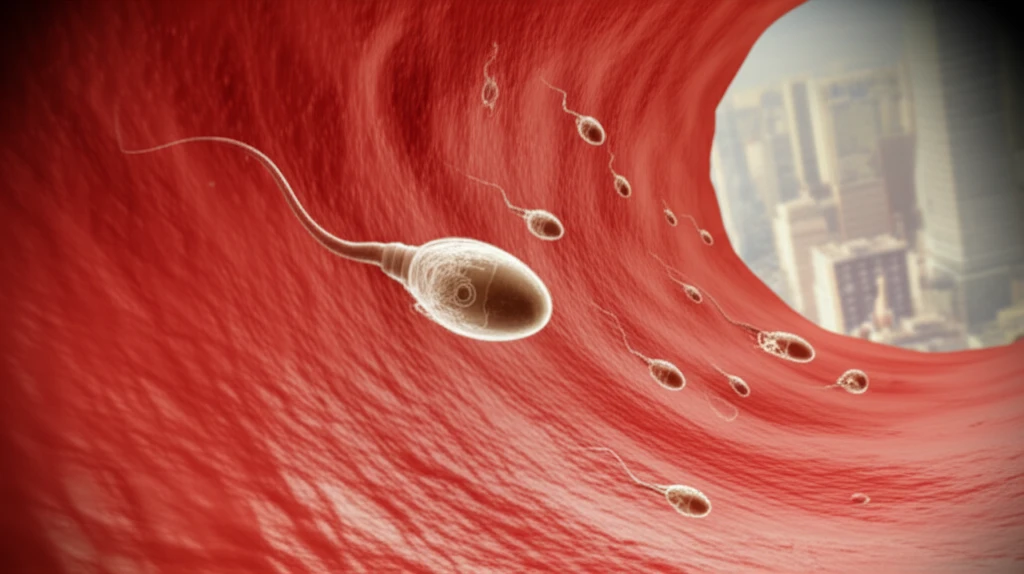
Spermatogenesis, the complex process of sperm production, relies on a delicate balance of hormones and cell interactions within the testes. Leukemia and its treatments can disrupt this balance, potentially leading to reduced sperm count, motility issues, and other abnormalities. This can be particularly concerning for younger patients who may wish to have children in the future.
This article explores the intricate relationship between leukemia and male infertility, providing an overview of the current research, potential mechanisms, and strategies for preserving fertility. By understanding these connections, patients and healthcare providers can make informed decisions about treatment and family planning.
Counseling and Preservation Before Treatment
For leukemia patients of reproductive age, the cited article describes fertility counseling and sperm cryopreservation before chemotherapy or radiotherapy as standard practice. Guidelines aim to balance offering preservation against the actual chance of infertility after treatment. Estimating that risk remains challenging because treatment plans combine multiple approaches and continue to evolve. A 2026 review description also notes that infertility risk differs considerably by treatment type.
Reviewing Leukemia’s Effects on Semen
A 2018 review examined how leukemia affects semen parameters in adult patients. It also highlighted proposed mechanisms that could impair spermatogenesis. The same review description appears in both the journal listing and Europe PMC record, underscoring that this work focused on observed semen effects and feasible explanations rather than establishing a single mechanism.
How Does Leukemia Impact Sperm Production?
Spermatogenesis, the creation of sperm, is a finely tuned process involving the proliferation and differentiation of spermatogonial stem cells (SSCs). These cells mature into sperm through various stages influenced by hormones and the testicular microenvironment. Leukemia can interfere with this process in several ways:
- Direct Infiltration: Leukemia cells can infiltrate the testes, potentially disrupting the normal cellular environment and affecting sperm production directly.
- Cytokine Disruption: Leukemia can trigger the release of cytokines, signaling molecules that can disrupt the delicate balance needed for healthy spermatogenesis.
- Systemic Inflammation: The disease can cause systemic inflammation, which may affect testicular function.
- Treatment Side Effects: Chemotherapy and radiation, while crucial for treating leukemia, can also damage SSCs and impair sperm production.
New Review and Meta-Analysis Activity
A July 8, 2026 study description reports that the FertiTOX project conducted a systematic review and meta-analysis of fertility outcomes in leukemia patients after different treatment modalities. The provided UroToday listing describes its page as a source for recent male-infertility research, including full-text abstracts and researcher-written “Beyond the Abstract” articles. These listings indicate ongoing review and research coverage, but the supplied descriptions do not provide specific findings from the FertiTOX analysis.
Preservation Has Unresolved Limits
One major limitation of testicular tissue technology in humans is the possibility that cancer cells contaminate the tissue and reintroduce malignancy after it is returned to the patient. A 10-year sperm-banking cohort said it planned to follow patients’ reproductive outcomes and investigate why samples were discarded, indicating that these outcomes and reasons remained questions for that study. A regional center report noted that literature on assisted-reproduction success rates in this population and follow-up of children born using frozen-thawed sperm was limited. The cited review listing also states that the mechanisms behind leukemia-associated fertility effects had not yet been described.
Outcomes Vary Across Measures and Evidence
A 2026 systematic review and meta-analysis reported overall infertility of 37% (95% CI 23–54%), with substantial heterogeneity. In a study of long-term survivors of childhood acute lymphoblastic leukemia, six men showed evidence of severe seminiferous-epithelium damage; five were azoospermic, while one man without semen analysis had reduced mean testicular volume of 11 mL and raised basal FSH. Another study of adult males surviving childhood malignancy reported a 50% probability of normospermia when testicular volume and serum FSH were both normal, and 0% when both were abnormal. The evidence therefore reports different outcomes across populations and measures, rather than one directly comparable risk estimate.
Looking Ahead: Preserving Hope for the Future
While the impact of leukemia on male fertility presents significant challenges, ongoing research and proactive fertility preservation strategies offer hope for the future. Understanding the specific mechanisms by which leukemia affects spermatogenesis is crucial for developing targeted therapies and interventions. Options like sperm cryopreservation, testicular tissue cryopreservation, and hormonal therapies can help patients preserve their fertility and increase their chances of having children after treatment.
Research and Innovation on the Horizon
The cited article frames future work around potential treatments and the implications of leukemia for men’s reproductive health, but its supplied description gives no specific intervention or result. A market outlook lists forecast-period trends including greater adoption of assisted reproductive technologies, advanced sperm diagnostic tests, hormonal and targeted drug therapies, microsurgical treatments, and increased awareness and earlier diagnosis of male infertility. These are market-level trends, not evidence that any particular approach will improve fertility outcomes for leukemia survivors.