
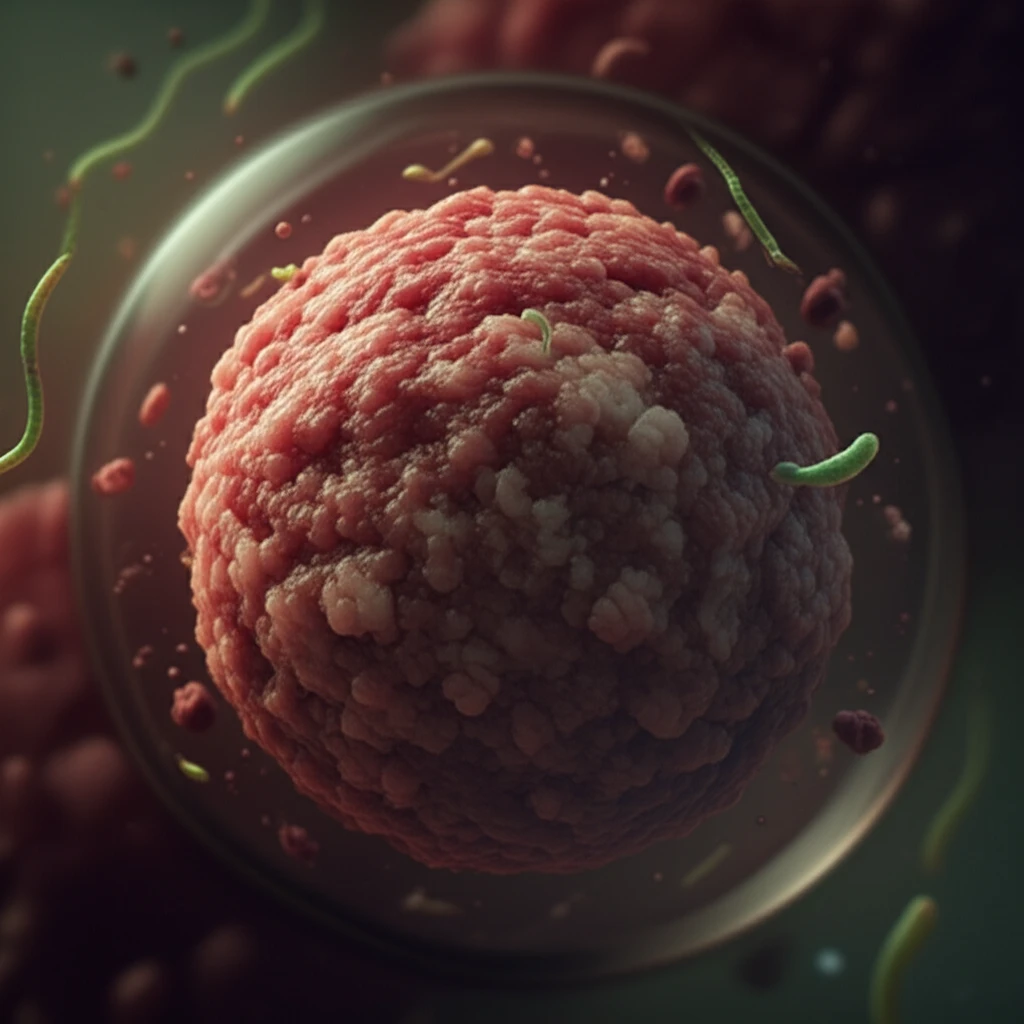
Is Your Raw Meat Safe? Unpacking the Risks of Brucella in Raw Meatballs

"A deep dive into how Brucella bacteria can survive in raw meat, and what you can do to protect yourself and your family."
Raw meatballs, a traditional delicacy in many cultures, offer a unique culinary experience. However, this dish comes with potential health risks, primarily due to the survival of pathogenic microorganisms. In Turkey, 'Çiğ Köfte,' a type of raw meatball, is a popular appetizer often served during special occasions. Its preparation lacks standardized guidelines, leading to variations in ingredients and safety protocols.
One significant concern is the presence of Brucella, a zoonotic bacterium that causes brucellosis. This infection remains endemic in many countries and can spread through the consumption of raw or unpasteurized dairy products and contaminated meat. Given that raw meatballs do not undergo thermal treatment, they can become a breeding ground for Brucella, posing a severe threat to public health.
A recent study investigated the survival and reproducibility of Brucella abortus and Brucella melitensis in raw meatball samples. The research aimed to determine if these pathogens could persist and multiply during the storage period of raw meatballs, potentially endangering consumers. This article delves into the findings, providing insights into the risks and offering practical advice for ensuring the safety of your raw meat dishes.
Understanding Brucella: The Bacteria Behind the Risk
Brucellosis is a widespread zoonotic infection affecting numerous countries, including developed nations. According to the World Health Organization (WHO), approximately 500,000 new human cases occur globally each year. The disease is particularly prevalent in Mediterranean countries, North Africa, the Near East, India, Mexico, and Central and South America.
- Raw Milk and Dairy: Unpasteurized dairy products are a well-known source of Brucella.
- Inhalation: Contaminated dust in environments where infected animals are present can lead to inhalation.
- Direct Contact: Handling infected carcasses or exposure to uterine contents and discharges can transmit the bacteria.
- Meat Consumption: Eating undercooked or raw meat from infected animals is a significant risk factor.
Practical Steps to Ensure Your Safety
Given the potential dangers, adopting preventive measures is essential. Start by ensuring meat is sourced from trusted suppliers with rigorous health and safety standards. Thoroughly cooking meat can eliminate Brucella, but if you prefer raw meatballs, consider meat alternatives or thermal treatment methods that don't compromise the dish's characteristics. Staying informed and proactive is key to enjoying traditional foods safely.