
Beyond the Buzz: Unpacking the Nutritional Secrets and Potential Risks of Cheka, a Traditional Ethiopian Beverage

"Exploring the cultural significance, nutritional profile, and health considerations of Cheka, a fermented beverage from Southwestern Ethiopia."
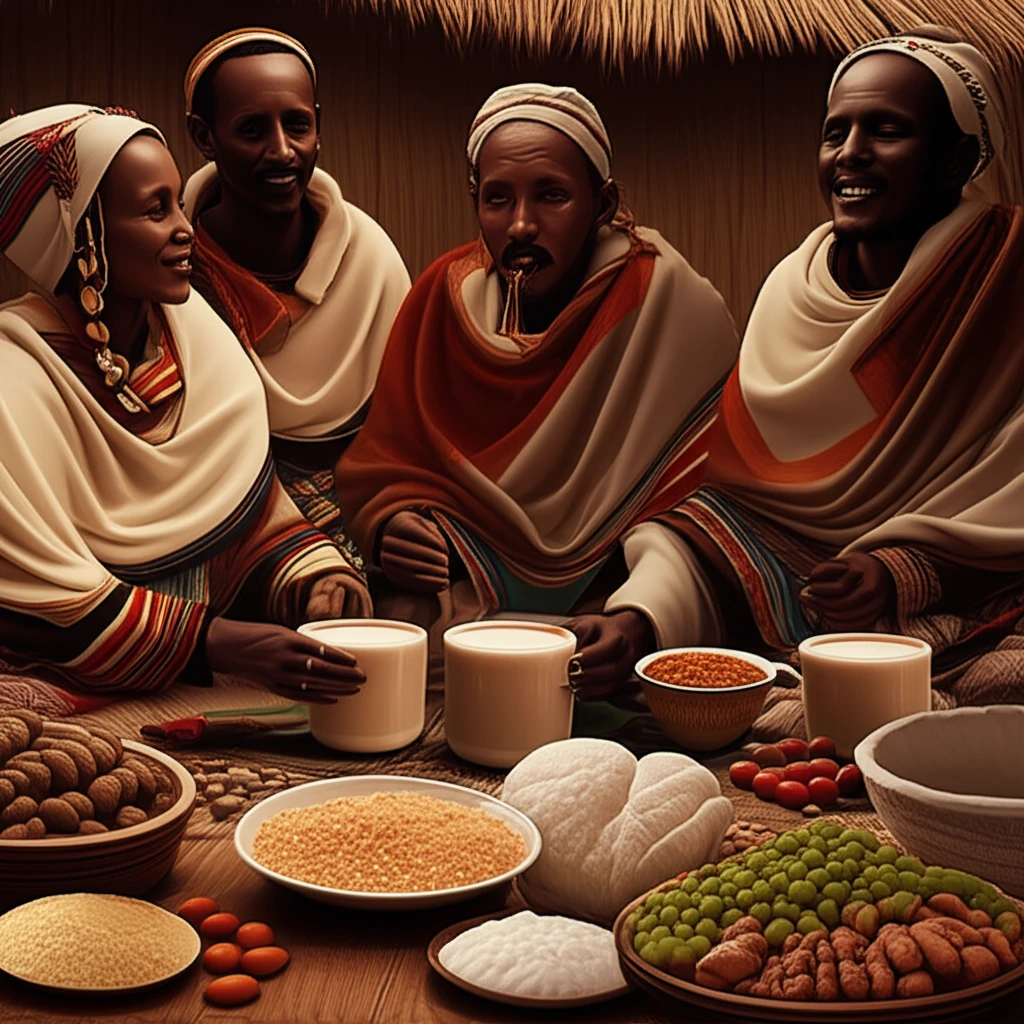
In the heart of Southwestern Ethiopia, a vibrant culture thrives, interwoven with traditions passed down through generations. Among these cherished customs is the consumption of Cheka, a fermented beverage that holds a special place in the lives of the Dirashe and Konso communities. Cheka is more than just a drink; it's a cultural emblem, a source of sustenance, and a social cornerstone.
This article delves into the depths of Cheka, exploring its composition, the way it's made, and the potential health implications associated with its consumption. Through scientific analysis and cultural insights, we aim to provide a comprehensive understanding of this traditional beverage, shedding light on its nutritional value and potential risks.
As we embark on this exploration, we will uncover the secrets of Cheka, from its humble beginnings as a cereal and vegetable-based concoction to its role in the daily lives of the people in Southwestern Ethiopia. We'll navigate the world of fermentation, learn about the ingredients that make Cheka unique, and examine the scientific findings that shape our understanding of its impact on health. So, join us on this journey as we unravel the story of Cheka, one sip at a time.
Cheka in Ethiopia’s Beverage Landscape
Cheka is a cereal- and vegetable-based beverage consumed particularly in southwestern Ethiopia, including the Dirashe and Konso areas. A 2018 study collected nine cheka samples from vending houses in Konso and Dirashe for laboratory analysis of nutritional and chemical properties. For wider context, the Ethiopia beverages market was reported at 3.03 billion liters in Q3 2024, although that figure covers beverage categories broadly rather than cheka specifically.
Traditional Processing and Research Limits
Cheka is produced through indigenous processing methods, and traditional beverages in Ethiopia are made from different cereal crops under locally variable and often uncontrollable natural conditions. The available research describes cheka’s ingredients, processing methods, equipment, energy sources, and proportions, but the 2025 review notes that comprehensive studies of its nutritional composition and health-promoting compounds remain limited. It also identifies the bioaccessibility of components in fermented, complex food matrices as a challenging research problem.
An Indigenous Fermented Tradition
Cheka is described as a traditional fermented beverage with a long history of consumption in Ethiopia. It is usually associated with southwestern Ethiopia, especially Konso and Derashe, and is made from grain and vegetables. Conventional production relies on spontaneous fermentation and therefore on autochthonous microorganisms rather than a deliberately selected starter culture.
Unveiling Cheka: Ingredients, Production, and Cultural Significance
Cheka's creation begins with a blend of cereals and vegetables, carefully selected to achieve the desired flavors and nutritional profile. The primary ingredients typically include grains like yellow maize, sorghum, and barley, which form the base of the beverage. These grains are combined with various vegetables, contributing to the drink's unique taste and texture. The specific combination of ingredients often varies depending on the local traditions and preferences.
- Cultural Significance: Cheka is deeply ingrained in the cultural fabric of the Dirashe and Konso communities, often served during social gatherings, celebrations, and daily meals.
- Regional Variations: The ingredients and preparation methods may vary depending on the specific locality, reflecting the diverse traditions and agricultural practices of the region.
- Community Tradition: Cheka production is often a communal activity, with families and neighbors coming together to create and share the beverage.
Emerging Evidence on Cheka’s Bioactive Profile
Recent research has examined cheka as a traditionally fermented grain- and vegetable-based beverage from Konso and Derashe. One study assessed the probiotic potential of lactic acid bacteria isolated from cheka. Another report found similar angiotensin I-converting enzyme inhibitory activity in cheka and borde, while in vitro digestion increased amino acid bioaccessibility and antioxidant activity but reduced phenolic and ACEI bioaccessibility.
Natural Fermentation and Safety Uncertainty
Ethiopian indigenous fermented beverages, including cheka, are commonly produced through natural fermentation involving mixed microbial cultures. This fermentation model can vary because it depends on the microorganisms present in the ingredients and environment. The available material therefore supports caution about treating cheka’s nutritional or safety characteristics as uniform across all preparations.
Cheka Among Ethiopian Fermented Beverages
Cheka is one of several fermented foods and beverages prepared in Ethiopia. Comparative material lists Borde, Shameta, Tella, Korefa, Keribo, and Tej alongside cheka as products made in different parts of the country. The available cheka study specifically analyzed nine samples from vending houses in Konso and Dirashe, providing a focused basis for comparison with these other traditional beverages.
Final Thoughts: Balancing Tradition with Health
Cheka, with its rich cultural heritage, offers a glimpse into the traditions of Southwestern Ethiopia. While it provides some nutritional value and may offer social benefits, it's crucial to consume it with awareness. Understanding the nutritional profile, potential alcohol content, and the context of its consumption allows individuals to make informed decisions that align with their health goals. By balancing the appreciation of tradition with a commitment to well-being, we can celebrate Cheka while ensuring a healthy and vibrant future for all.
A Balanced Reading of the Evidence
Cheka can be understood as a culturally established fermented beverage whose composition may vary with ingredients and preparation. Existing research suggests possible nutritional and bioactive interest, but the evidence base remains developing. Health conclusions should therefore be treated as provisional rather than definitive.
Priorities for Future Research
Future studies could clarify how ingredients, fermentation conditions, and preparation practices shape cheka’s composition. More consistent testing may help distinguish findings that apply broadly from those limited to particular samples. Research should also continue examining both potential benefits and safety considerations.
Local Practice, Variable Conditions
Cheka sits at the intersection of traditional food knowledge, local production, and public-health questions. Differences in raw materials and processing conditions may make broad generalizations difficult. A useful broader assessment would need to respect the beverage’s cultural setting while evaluating consistency and safety.
A Beverage Embedded in Daily Life
Cheka’s significance extends beyond its laboratory profile because it is associated with local food traditions and community practices. Its effects in real-world use may depend on preparation, serving context, and individual circumstances. Responsible discussion should recognize that cultural importance and health evidence are related but not interchangeable.