
Is It Just Age or Something More? A Simple Quiz to Check Your Cervical Spine Health

"Could your neck pain and clumsiness be signs of cervical spondylotic myelopathy (CSM)? Learn about a new screening tool."
As we navigate the journey of life, aches and pains become familiar companions. However, it's crucial to distinguish between typical aging and potential underlying health issues. One such concern is Cervical Spondylotic Myelopathy (CSM), a condition affecting the spinal cord in the neck. While it's more common in adults over 55, knowing the signs can lead to earlier diagnosis and better outcomes.
CSM occurs when the spinal cord in the neck becomes compressed due to degenerative changes. These changes can include disc herniation, bone spurs, and thickening of ligaments. Because the onset of CSM is usually insidious, diagnosing CSM can be challenging, often requiring referral to a subspecialist and advanced imaging.
Now, researchers have developed a simple, four-question screening tool, called the DOWN questionnaire, to help identify individuals who might be at risk for CSM. This questionnaire focuses on common symptoms associated with the condition and can be a first step in determining whether further evaluation is needed.
Why Cervical Spine Health Matters
Age-related neck changes can overlap with symptoms caused by other cervical spine conditions. A simple quiz may help people notice patterns in discomfort, stiffness, or movement, but it cannot determine the underlying cause. Persistent, worsening, or concerning symptoms should be evaluated by a qualified healthcare professional.
Anatomy, Symptoms, and Clinical Assessment
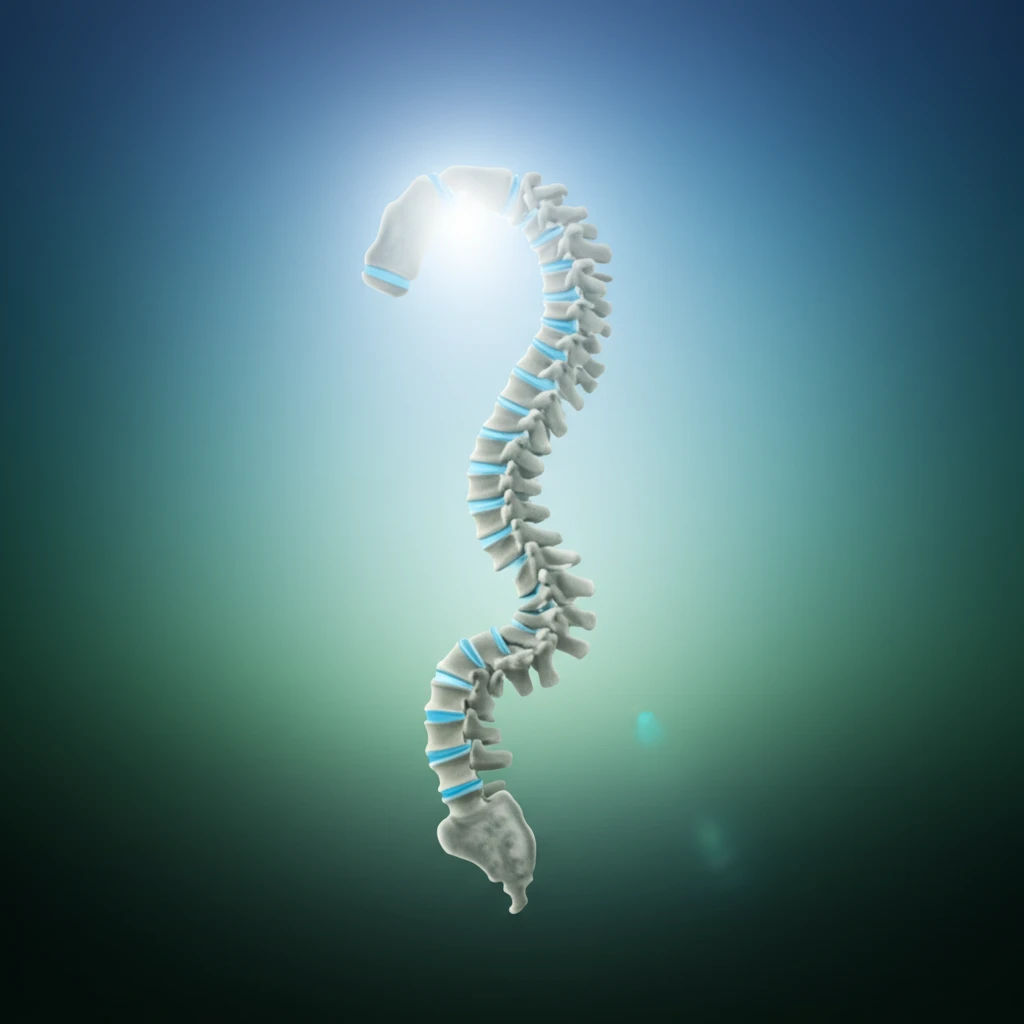
The cervical spine consists of the first seven vertebral bones of the spine and is commonly called the neck. Cervical pain refers to discomfort or soreness in this area and may be associated with muscle strain, poor posture, injury, or underlying medical conditions. Injuries can occur at the second cervical vertebra, while C4 and C5 are reported as areas with the highest amount of cervical spine trauma; however, neurological injury is described as uncommon. Because similar symptoms can have different causes, a self-check can provide awareness but cannot replace clinical assessment.
How Understanding Has Evolved
Understanding of the cervical spine has developed through the study of its structure, movement, nerves, and relationship to neck symptoms. Over time, health education has increasingly connected anatomy with practical concerns such as posture, injury, and discomfort. This background helps explain why a symptom quiz can be useful for awareness while remaining limited as a diagnostic tool.
The DOWN Questionnaire: Four Questions That Could Change Your Life
The DOWN questionnaire is designed to be a quick and easy way to assess your risk of CSM. It consists of four simple questions about common symptoms associated with the condition. If you answer “yes” to three or more of these questions, it's recommended to consult with a healthcare professional for further evaluation. Remember, this questionnaire is not a substitute for a professional medical diagnosis, but it can be a helpful tool for early detection.
- Dropping things or feeling clumsy in your hands?
- Off-balance or unsteady on your feet more often?
- Feeling Weakness in one or both of your arms or hands?
- Experiencing Numbness or tingling in your arms or hands?
Conditions That Can Affect the Neck
Current clinical discussions of cervical spine disorders commonly include cervical radiculopathy, cervical spondylosis, and disc herniation. These conditions can be associated with neck pain and may require different treatment approaches depending on the cause and symptoms. A quiz may help identify concerns worth discussing, but it cannot distinguish reliably among these disorders. Professional evaluation is therefore important when symptoms persist or interfere with daily life.
Why a Quiz Has Limits
A symptom-based quiz cannot confirm whether discomfort reflects normal aging, a cervical spine disorder, or another cause. Responses may also be affected by how a person interprets pain, stiffness, or changes in movement. For that reason, quiz results are best treated as prompts for attention and discussion rather than as a diagnosis.
Self-Check Versus Professional Review
A self-check is convenient and may help organize observations about symptoms and daily function. Professional review is more appropriate when the cause is unclear, symptoms continue, or concerns are significant. The two approaches serve different purposes: a quiz supports awareness, while clinical assessment is used to investigate and manage possible conditions.
Take Charge of Your Spinal Health
Don't let neck pain, clumsiness, or balance issues hold you back. By being proactive and informed, you can take charge of your spinal health and enjoy a more active and fulfilling life. If you're concerned about CSM, talk to your doctor and ask if the DOWN questionnaire is right for you. Early detection and intervention are key to managing this condition and improving your long-term well-being.
Putting the Results in Context
The most useful role of a cervical spine quiz is to encourage people to pay attention to changes rather than to label those changes. Age may be one possible explanation, but symptoms can also arise from posture, strain, injury, or medical conditions. Interpreting results alongside symptom duration, severity, and effect on daily activities can support a more informed conversation with a healthcare professional.
The Role of Better Self-Awareness
Future approaches may place greater emphasis on helping people recognize meaningful changes in mobility, comfort, and function. Digital questionnaires could make symptom tracking easier, although their value will depend on clear questions and appropriate clinical follow-up. Any such tool should complement, rather than replace, professional evaluation.
Access and Interpretation Challenges
People do not all have the same access to timely cervical spine assessment or reliable health information. This can make self-screening appealing, but it also increases the risk that symptoms will be misunderstood or managed without adequate guidance. Clear explanations of a quiz's limits are therefore important for responsible use.
Living With Neck Symptoms
Neck discomfort can affect movement, concentration, comfort, and confidence in everyday activities. A short quiz may give people a structured way to describe what they are experiencing and decide whether further advice is warranted. It should support personal awareness without creating unnecessary alarm or false reassurance.