
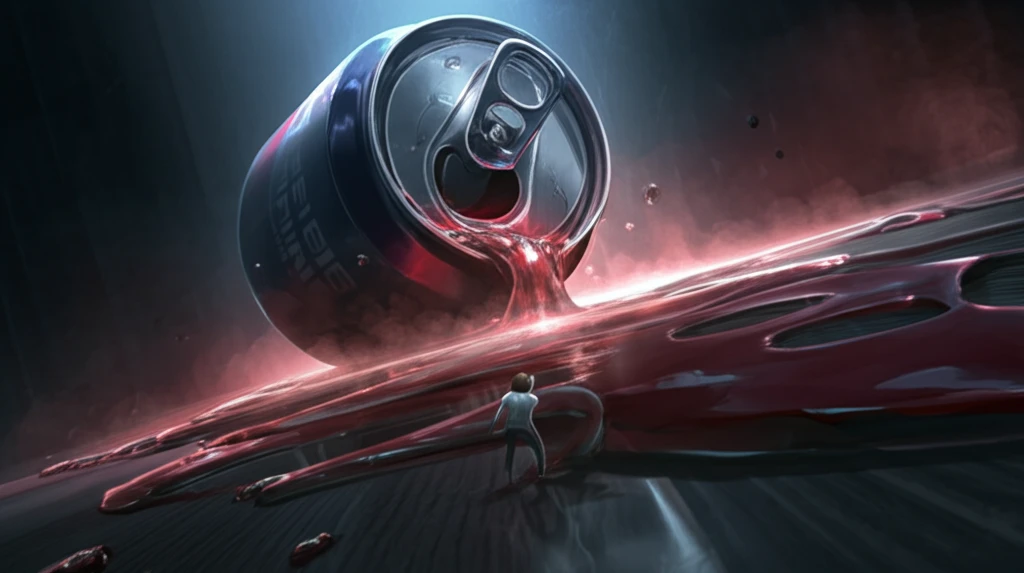
Surreal illustration of a stressed person looking at a giant energy drink can, symbolizing the allure and threat of energy drinks.

Energy Drinks: Are They Really Worth the Buzz?

"Uncover the shocking effects of caffeinated energy drinks on your heart and mind, and learn how to make healthier choices for sustained energy."


In today's fast-paced world, energy drinks have become a staple for students, professionals, and anyone needing a quick boost. Marketed as a way to enhance alertness and combat fatigue, these beverages promise increased focus and performance. However, beneath the appealing promises lie potential health risks that consumers should be aware of.

Energy drinks typically contain high levels of caffeine, along with a mix of sugars, vitamins, and other supplements like taurine and guarana. While these ingredients may provide a temporary surge of energy, they can also have significant effects on the neurological and cardiovascular systems. The question is, are these effects worth the convenience and short-term benefits?

This article delves into the science behind energy drinks, exploring their impact on your health and offering insights into making informed choices. We'll examine the specific risks associated with these beverages, provide practical tips for managing your energy levels, and help you decide if that can of energy drink is truly worth the buzz.

The Dark Side of Energy Drinks: Unpacking the Risks

Surreal illustration of a stressed person looking at a giant energy drink can, symbolizing the allure and threat of energy drinks.

Energy drinks have raised concerns among health professionals due to their potential adverse effects. While manufacturers claim these drinks are safe, a growing body of research suggests otherwise. A key issue is the high concentration of caffeine, which can lead to a range of cardiovascular and neurological problems. Here’s what you need to know:

One of the most common complaints among energy drink consumers is a cluster of health issues, including headaches, sleep disorders, irritation, and fatigue. Ironically, while these drinks are intended to combat fatigue, they can actually contribute to it. These issues are more prevalent in those who consume energy drinks regularly compared to those who don't.

  • Cardiovascular Risks: Energy drinks can cause significant cardiovascular problems. Visits to emergency rooms due to energy drink consumption often involve issues such as arrhythmia (irregular heartbeat) and elevated blood pressure. These effects are primarily attributed to the high caffeine content, which can strain the heart.
  • Neurological Risks: Neurologically, energy drinks have been linked to seizures and convulsions. The combination of stimulants can overexcite the nervous system, leading to these severe reactions. Additionally, the drinks can exacerbate anxiety and cause panic attacks, particularly in individuals sensitive to caffeine.
  • The Danger of Mixing: A particularly risky behavior is combining energy drinks with alcohol or other drugs. This combination can mask the depressant effects of alcohol, leading individuals to consume more than they realize. It also increases the risk of both cardiovascular and neurological complications.
It's important to note that the toxicity of energy drinks can vary widely depending on individual factors. These include the dose consumed, the consumer's sensitivity to stimulants, pre-existing health conditions, and habits such as smoking. Accurately assessing the true risk requires considering all these variables.

Making Informed Choices: A Path to Sustained Energy

Given the potential risks, it's essential to approach energy drinks with caution. Education is key to moderating consumption and avoiding dangerous combinations, especially with alcohol. If you're looking for ways to boost your energy, consider healthier, more sustainable options. Maintaining a balanced diet, staying hydrated, getting regular exercise, and ensuring adequate sleep are all effective strategies for managing your energy levels naturally. In conclusion, while the allure of a quick energy boost is tempting, understanding the potential health consequences is crucial for making informed choices that support your long-term well-being.

About this Article -

This article was crafted using a human-AI hybrid and collaborative approach. AI assisted our team with initial drafting, research insights, identifying key questions, and image generation. Our human editors guided topic selection, defined the angle, structured the content, ensured factual accuracy and relevance, refined the tone, and conducted thorough editing to deliver helpful, high-quality information.See our About page for more information.

This article is based on research published under:

DOI-LINK: 10.17533/udea.iatreia.v31n1a06, Alternate LINK

Title: Bebidas Cafeínadas Energizantes: Efectos Neurológicos Y Cardiovasculares

Subject: General Medicine

Journal: IATREIA

Publisher: Universidad de Antioquia

Authors: Ci Manrique, Cl Arroyave-Hoyos, D Galvis-Pareja

Published: 2018-01-01

Everything You Need To Know

1

What are the common ingredients found in energy drinks, and what are their potential effects on the body?

Energy drinks typically contain high levels of caffeine, along with a mix of sugars, vitamins, and other supplements like taurine and guarana. While these ingredients may provide a temporary surge of energy, they can have significant effects on both the neurological and cardiovascular systems. The caffeine can lead to increased heart rate and blood pressure, while the stimulants can overexcite the nervous system. The sugars contribute to an initial energy spike followed by a crash. The other supplements' effects vary but are added to enhance the perceived benefits.

2

What are the cardiovascular risks associated with consuming energy drinks?

Energy drinks can cause significant cardiovascular problems, primarily due to their high caffeine content. These problems include arrhythmia (irregular heartbeat) and elevated blood pressure. These effects strain the heart, potentially leading to serious complications. The high concentration of stimulants can also trigger other cardiac events in susceptible individuals. Frequent consumption increases the likelihood and severity of these risks.

3

How do energy drinks affect the nervous system, and what neurological risks are involved?

Neurologically, energy drinks have been linked to seizures and convulsions. The combination of stimulants can overexcite the nervous system, leading to these severe reactions. Energy drinks can also exacerbate anxiety and cause panic attacks, particularly in individuals sensitive to caffeine. The high levels of stimulants disrupt the brain's normal function, leading to potential neurological complications.

4

Why is it dangerous to mix energy drinks with alcohol or other drugs, and what are the implications of this combination?

Mixing energy drinks with alcohol or other drugs is particularly risky. This combination can mask the depressant effects of alcohol, leading individuals to consume more than they realize. This increases the risk of both cardiovascular and neurological complications. The stimulants in the energy drink counteract the depressant effects of alcohol, potentially leading to alcohol poisoning or other dangerous behaviors. The combination of stimulants and depressants places an extra burden on the body's systems.

5

What are some healthier alternatives to energy drinks for boosting energy levels, and why are they more sustainable?

Instead of energy drinks, consider healthier, more sustainable options like maintaining a balanced diet, staying hydrated, getting regular exercise, and ensuring adequate sleep. These methods provide sustained energy without the negative side effects associated with energy drinks. A balanced diet provides essential nutrients for energy production. Regular exercise improves overall health and energy levels, and adequate sleep allows the body to recover and function optimally. Staying hydrated supports bodily functions. These choices promote long-term well-being compared to the temporary boost from energy drinks.

Newsletter Subscribe

Subscribe to get the latest articles and insights directly in your inbox.