
Unlocking the Mystery of Low Back Pain: Is Your Spine's Movement the Key?

"New research reveals how spinal motion differs in people with discogenic low back pain, offering potential clues for future treatments."
Low back pain is a widespread issue, and one potential source of pain lies within the intervertebral discs. When these discs degenerate, it can lead to discogenic low back pain, significantly impacting quality of life. But what's really happening with the spine's movement when this occurs?
While the role of disc degeneration in low back pain is recognized, less is understood about the specific changes in how the vertebrae move, particularly during everyday activities. Is there more movement, less movement, or simply different patterns of movement that contribute to the pain?
Recent research investigated the intricate movements of the lumbar spine in individuals with discogenic low back pain, compared to those without the condition. By using advanced imaging techniques, the study aimed to pinpoint areas of abnormal motion that could provide valuable insights into the cause and potential treatment of this debilitating condition. This article will break down these findings, explain what they mean for those suffering from low back pain, and explore potential future directions for treatment.
Decoding Spinal Motion: What the Research Reveals
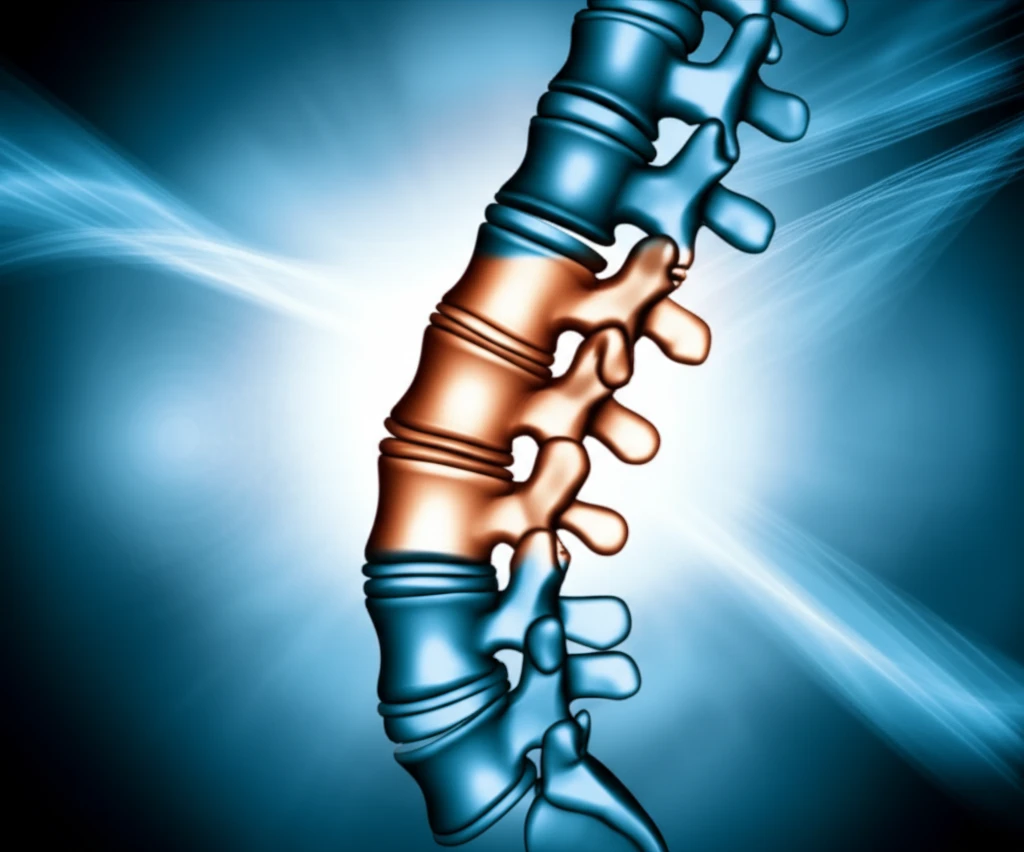
The study focused on patients diagnosed with discogenic low back pain at the L4-L5 and L5-S1 spinal levels. Researchers used a combination of dual fluoroscopic and magnetic resonance imaging (MRI) to precisely measure vertebral motion during various movements, including flexion-extension (bending forward and backward), left-to-right bending, and twisting.
- Greatest motion at L3-L4: The most significant range of motion was consistently observed at the L3-L4 level, which is directly adjacent to the problematic areas. This suggests the area is trying to compensate for the problems in the areas below it.
- Least motion at L5-S1: Conversely, the least amount of motion was found at the L5-S1 level, where disc degeneration was present. This indicates a stiffening or hypomobility in the area where the pain originates.
- Hypermobility in Adjacent Segments: Compared to individuals without discogenic pain, those with the condition exhibited significantly greater motion during bending and twisting.
The Implications for Treatment and Prevention
This research sheds light on the complex biomechanics of discogenic low back pain, providing a more detailed understanding of how spinal motion is affected. This knowledge could be valuable in developing targeted therapies.
For example, treatments might focus on:<ul><li><b>Restoring proper motion:</b> Physical therapy and exercises could be designed to address the hypomobility at the L5-S1 level and reduce the hypermobility at L3-L4.</li><li><b>Strengthening supporting muscles:</b> Improving core strength and stability can help distribute the load on the spine more evenly, reducing stress on the affected segments.</li></ul>
Ultimately, a deeper understanding of spinal motion in low back pain can pave the way for more effective, personalized treatments aimed at restoring function and alleviating pain. Further research is needed to fully explore these avenues and translate these findings into clinical practice.