
Stroke Recovery: How a Multidisciplinary Clinic Can Help Veterans Thrive

"Discover how a specialized stroke clinic is transforming outpatient care for veterans, improving lives and reducing healthcare costs."
Stroke is a major health crisis, affecting nearly 800,000 people in the United States each year. Among these are our veterans, with an estimated 15,000 suffering a stroke annually. A stroke not only ranks as a leading cause of serious disability but also stands as the third leading cause of death, leaving many survivors in need of extensive ongoing care.
Traditionally, stroke survivors are discharged from hospitals to return home, often facing lingering physical, cognitive, and emotional challenges. These deficits necessitate continuous medical attention and support to improve their quality of life and foster recovery.
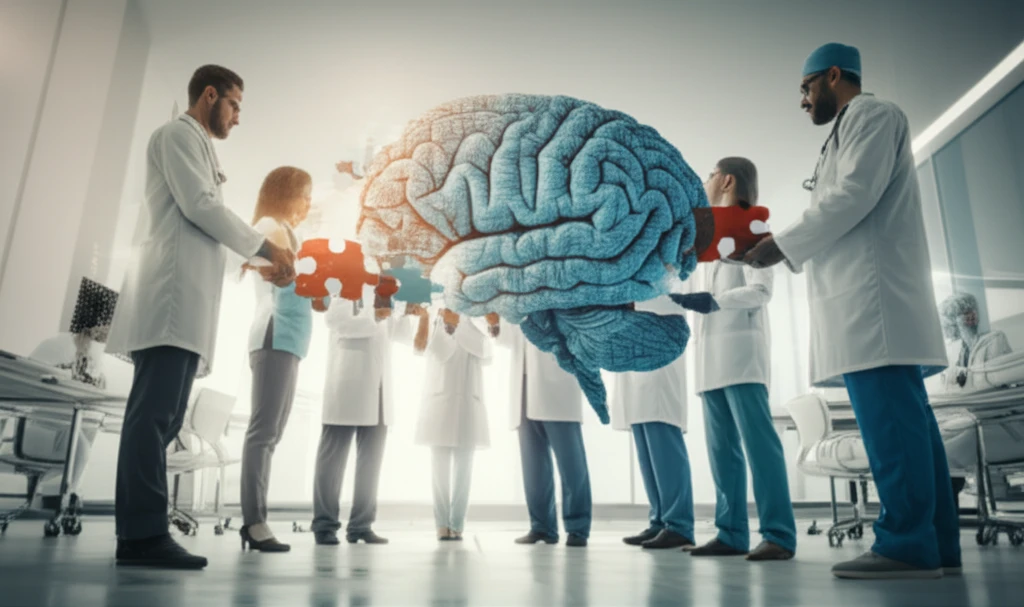
In response to these critical needs, a multidisciplinary stroke clinic model has emerged as a beacon of hope. This innovative approach brings together a team of specialists to provide comprehensive, coordinated care for veterans, ensuring they receive the multifaceted support required for optimal recovery. Let's delve into how this clinic is setting new standards in post-stroke care.
What Makes a Multidisciplinary Stroke Clinic Effective?
The multidisciplinary stroke clinic operates as a specialized outpatient center designed to address the complex needs of veterans with cerebrovascular disease. Unlike conventional clinics, this model integrates various medical disciplines into a single, coordinated care pathway.
- Comprehensive Evaluation: Patients undergo thorough assessments by a team that includes nurses, health psychologists, rehabilitation specialists, internal medicine physicians, and neurologists.
- Collaborative Care Planning: After the evaluations, the team collaborates to develop a tailored care plan that addresses each patient's specific needs.
- Patient and Caregiver Involvement: The care plan is reviewed in detail with the patient and their caregivers, ensuring everyone is aligned and informed.
- Primary Care Coordination: The clinic communicates the care plan to the patient's primary care physician, ensuring seamless integration with their ongoing medical care.
- Integrated Screenings: Each visit includes standardized screenings and assessments covering various aspects of health, from medication management to emotional well-being.
- Support and Education: Patients and caregivers are encouraged to participate in monthly support groups and educational sessions to deepen their understanding of stroke and its risk factors.
Looking Ahead: The Future of Stroke Care
The success of the multidisciplinary stroke clinic model underscores the potential for transforming outpatient care for veterans and potentially broader populations. By integrating comprehensive, coordinated, and patient-centered care, such clinics not only improve health outcomes but also optimize healthcare resource utilization. As healthcare systems continue to evolve, embracing such innovative models will be crucial in addressing the complex needs of stroke survivors and fostering healthier, more resilient communities.