
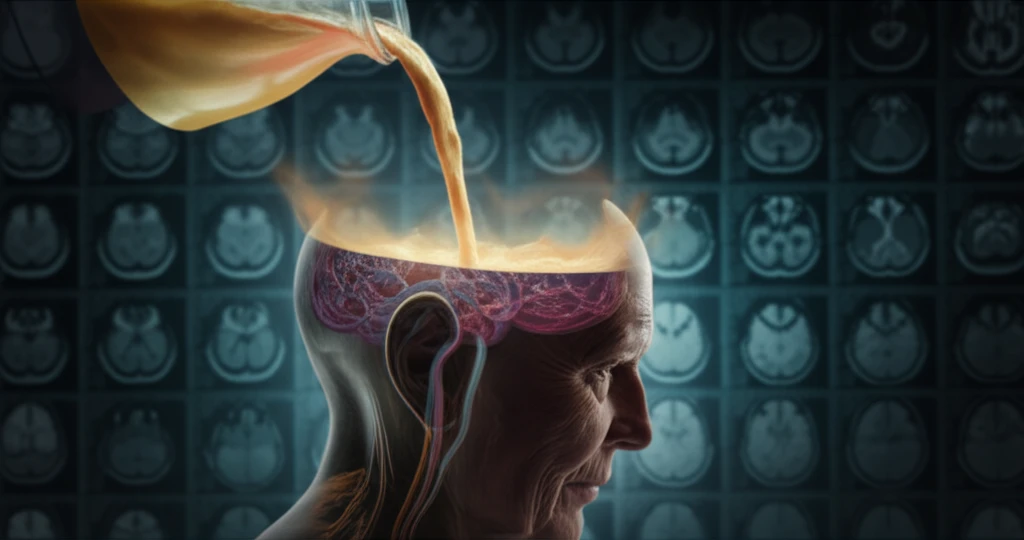
Nutrition's Lifeline: How Early Support Can Transform Stroke Recovery in Seniors

"Discover the power of early enteral nutrition in helping elderly stroke patients regain their strength and improve their chances of a full recovery."
Acute brain stroke (ABS) stands as a major health challenge, particularly among older adults. It's not just about the immediate damage; the aftermath often brings a host of complications, including dysphagia, a condition that impairs swallowing. Dysphagia affects a significant portion of stroke patients, disrupting their ability to eat properly and maintain adequate nutrition.
For elderly stroke patients, the stakes are even higher. Age-related declines in bodily functions and increased catabolism make them more vulnerable to malnutrition, aspiration pneumonia, and other severe health issues. Addressing these nutritional needs is crucial for improving prognosis and supporting recovery.
That's where early enteral nutrition support (EENS) comes into play. This method of providing nutrients directly to the digestive system can be a game-changer, offering a lifeline to those struggling to eat. A recent study sheds light on just how effective EENS can be in improving nitrogen balance and overall outcomes for elderly stroke patients with dysphagia.
Stroke’s Immediate Impact
A stroke, also called a cerebrovascular accident, occurs when blood flow to part of the brain is reduced or blocked, or when a blood vessel bleeds. The two main types are ischemic stroke, caused by interrupted blood flow, and hemorrhagic stroke, caused by bleeding. In ischemic stroke, reduced oxygen and nutrients can cause brain cells to begin dying within minutes, making stroke a medical emergency. Warning signs require prompt recognition and emergency treatment.
Established Stroke Care
The American Stroke Association presents stroke care through a step-by-step explanation of stroke, including its different types and effects on the brain. Its educational framework also includes prevention tools, reflecting the importance of addressing stroke risk as well as its immediate effects. However, a general framework cannot by itself capture every patient’s specific neurological, functional, or nutritional needs.
A Developing Field
Stroke care has developed through a growing understanding that strokes can arise from interrupted blood flow or bleeding. This distinction provides a basic foundation for recognizing why stroke effects and treatment needs may differ. The historical path from identifying these mechanisms to supporting recovery is best understood as an evolving medical process rather than a single discovery.
The Impact of Early Nutrition: Nitrogen Balance and Recovery
The study, published in Pteridines in 2018, retrospectively analyzed 68 patients diagnosed with acute brain stroke (ABS). The research focused on how early nutritional intervention could alter the course of recovery for these patients. The core of the investigation split participants into two groups: one receiving early enteral nutrition support (EENS) within 72 hours of their diagnosis, and the other receiving a regular liquid diet.
- Improved Nitrogen Balance: Patients receiving EENS showed significantly better nitrogen balance compared to those on a regular liquid diet, indicating better protein utilization.
- Reduced NIHSS Score: The National Institutes of Health Stroke Scale (NIHSS) scores, which measure the severity of stroke-related impairments, were significantly lower in the EENS group after treatment.
- Fewer Complications: The risk of regurgitation, diarrhea, and ventosity was significantly lower in the EENS group, showcasing the benefits of early nutritional support in minimizing adverse effects.
Continuing Research
Current work on stroke recovery may continue to examine how early support, rehabilitation, and nutrition can complement medical treatment. Research findings should be interpreted carefully because promising approaches do not necessarily produce the same results for every older adult. In practice, the most useful conclusions are likely to come from evidence that connects nutritional support with meaningful recovery outcomes.
Limits of Nutritional Support
Nutrition alone should not be treated as a replacement for emergency stroke care or rehabilitation. Recovery can vary substantially, and an approach that helps one senior may not address another person’s impairments or care needs. This makes individualized assessment and realistic expectations important when evaluating early nutritional support.
Comparing Recovery Needs
Different stroke survivors may require different forms and timing of support. Comparing approaches should therefore consider more than nutritional content, including whether the plan can be delivered safely and consistently during recovery. A balanced comparison would weigh medical care, rehabilitation, dietary support, and the individual’s functional circumstances together.
The Future of Stroke Care: Prioritizing Early Nutrition
Early enteral nutrition support offers a promising avenue for improving the outcomes of elderly stroke patients, but it's not the whole story. While this study provides valuable insights, the researchers themselves acknowledge the need for further investigation through larger, prospective, randomized controlled trials. These future studies will help to solidify the evidence and refine the application of EENS in stroke care. By prioritizing early nutrition, healthcare professionals can potentially transform stroke recovery for countless elderly individuals, helping them regain their strength, independence, and quality of life.
An Integrated Recovery Strategy
Early support may be most valuable when nutrition is integrated with medical treatment and rehabilitation rather than treated as a standalone solution. The central goal is to help older adults maintain the strength and capacity needed for recovery while respecting their specific limitations. Expert judgment remains important because stroke effects and nutritional needs can differ from person to person.
Personalized Recovery Support
Future progress may focus on making post-stroke nutritional support more individualized, timely, and practical for seniors. New approaches could seek to connect dietary planning more closely with changes in swallowing, mobility, cognition, and rehabilitation needs. These possibilities remain areas for continued evaluation rather than guaranteed outcomes.
Beyond the Hospital
Stroke recovery is shaped not only by clinical treatment but also by whether older adults can access suitable food, assistance, and follow-up care. Systemic barriers may make an effective nutritional plan difficult to begin or sustain after discharge. Addressing those barriers requires coordination among healthcare professionals, caregivers, and community services.
Recovery in Daily Life
For seniors recovering from stroke, nutrition is connected to ordinary activities such as eating, preparing meals, and accepting help. Early, respectful support may make recovery plans easier to follow and more responsive to individual preferences. The real-world impact therefore depends not only on clinical recommendations but also on dignity, consistency, and caregiver involvement.