
Smile Makeover: New Implant Design Offers Hope for Graft-less Sinus Floor Augmentation

"Groundbreaking research explores the effectiveness of a novel implant design, promising enhanced outcomes for those seeking dental implants without bone grafting."
In the realm of modern dentistry, the pursuit of effective and minimally invasive treatments is ceaseless. One of the most challenging aspects of dental implant procedures is the need for bone grafting in cases of bone loss, particularly in the posterior maxilla. Traditional methods can be invasive, lengthy, and may not always guarantee success. However, a recent study introduces a promising solution: a new implant design that facilitates graft-less sinus floor augmentation, offering hope for patients seeking dental restoration.
This groundbreaking research, published in the journal Clinical Oral Implants Research, examines the clinical performance of a novel implant design. The study focuses on a reverse spiral flute implant, specifically designed to overcome the challenges of bone loss. By evaluating the outcomes of patients undergoing graft-less sinus floor elevation protocols, the study aims to shed light on the efficacy and benefits of this innovative approach.
This article offers an in-depth analysis of the study's findings, providing a clear understanding of the implant design, the methods employed, and the remarkable outcomes achieved. It aims to provide a balanced view of the latest advancements in dental implant technology.
Unveiling the Innovation: The New Implant Design and Its Mechanisms
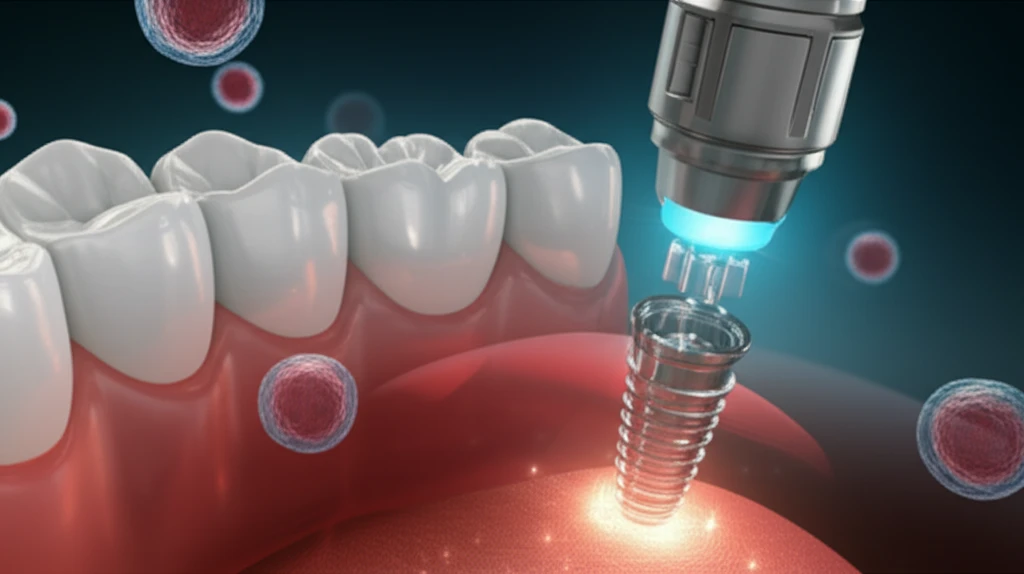
The key to this advancement lies in the innovative design of the implant itself. The reverse spiral flute implant features an anodized surface, a rounded apex, and a sharp cutting flute oriented in the opposite direction of the implant threads. This unique design is engineered to deliver bone chips into the sinus cavity, promoting new bone formation. This mechanism is crucial in graft-less sinus floor augmentation, providing a stable foundation for the implant without the need for bone grafting.
- CSR at the implant level was an impressive 97.7%.
- The patient-level CSR reached 95.0%.
- The mean ISQ values, a measure of implant stability, increased significantly at the follow-up period.
- No perforations were caused from implant insertion.
Looking Ahead: The Future of Graft-less Sinus Floor Augmentation
The results of this study are a significant step forward in the field of dental implantology. As the demand for less invasive and more effective treatments grows, innovations like the reverse spiral flute implant will continue to revolutionize the way we approach dental restoration. This research not only provides hope to patients but also sets the stage for further advancements in this area.