
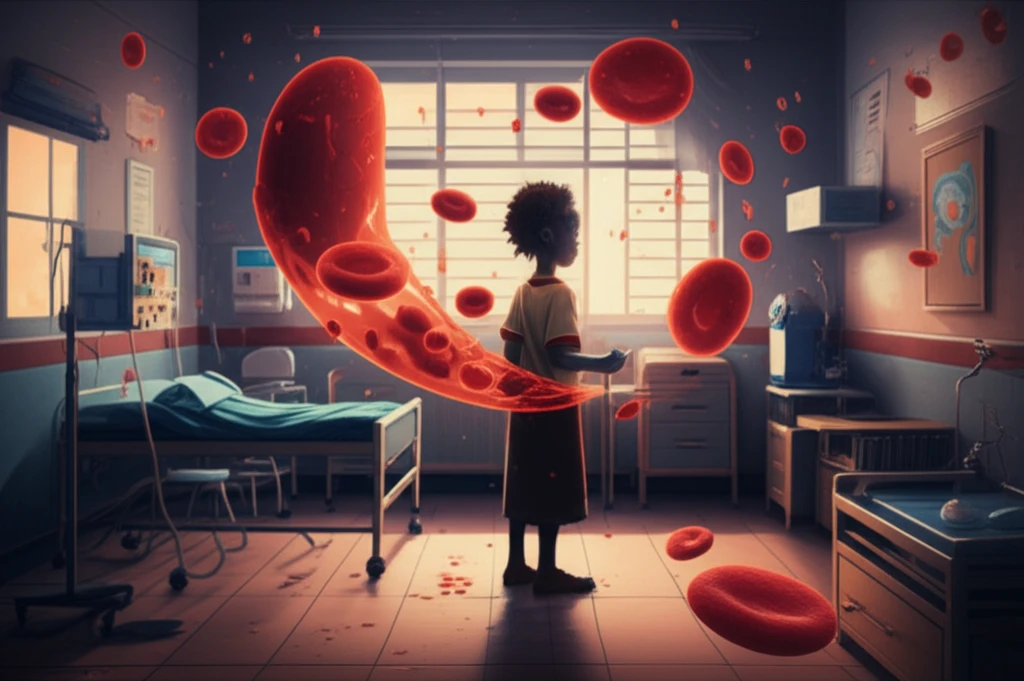
Sickle Cell Anemia in Kinshasa: Unveiling the Challenges in a Pediatric Tertiary Unit

"A deep dive into the acute crises and complications of sickle cell anemia among young patients in Kinshasa, Democratic Republic of Congo, highlighting the struggles and realities of healthcare in resource-limited settings."
Sickle cell anemia (SCA) remains a significant health challenge in the Democratic Republic of Congo (DRC), with an estimated 30,000 to 40,000 newborns affected each year. Despite the high prevalence, comprehensive data on the acute clinical manifestations in Congolese children with SCA is scarce. This lack of information poses a major hurdle in developing effective healthcare policies and management strategies for these vulnerable patients.
A retrospective study conducted in the pediatric department of the University Hospital of Kinshasa aims to shed light on the clinical characteristics of acute sickle cell crises in Congolese children. By analyzing data collected over seven years, the study seeks to identify patterns, challenges, and potential areas for improvement in the care of young individuals suffering from SCA.
Kinshasa, the largest city in the DRC, faces numerous healthcare disparities that impact the management of chronic conditions like SCA. This study provides critical insights into the specific challenges encountered in a resource-deprived setting, offering a foundation for future interventions and healthcare reforms.
Delayed Diagnosis and Limited Access to Treatment: The Stark Realities
The study reveals a concerning trend of delayed diagnosis among children with sickle cell anemia. The median age at diagnosis was 90 months (range: 8-250 months), indicating a significant lag between the onset of symptoms and confirmation of the condition. This delay can lead to increased vulnerability to complications and poorer overall outcomes.
- Pain Episodes: The most common event, accounting for 38.2% of cases.
- Acute Anemic Crisis: Representing 34.3% of events, indicating the severity of anemia among these children.
- Severe Infections: Making up 21.9% of cases, highlighting the increased susceptibility to infections in SCA patients.
- Altered Sensorium and Focal Deficit: Less frequent, but serious, representing 3.4% of acute events.
Addressing the Challenges: A Call for Action
This study underscores the urgent need for improved healthcare strategies for managing sickle cell anemia in Kinshasa, DRC. Key interventions should include implementing newborn screening programs for early detection, increasing access to essential treatments like hydroxyurea, and enhancing diagnostic capabilities to identify and manage organ complications. By addressing these challenges, healthcare providers can significantly improve the quality of life and outcomes for children suffering from SCA in resource-limited settings.