
Shoulder Pain Holding You Back? Understanding Subacromial Bursitis and Subdeltoid Issues

"Explore the causes, symptoms, and treatment options for subacromial bursitis and subdeltoid problems, and learn how to get back to your active life."
Shoulder pain is a common complaint that can significantly impact your daily life, whether you're an athlete, someone who enjoys an active lifestyle, or simply performing routine tasks. Among the various causes of shoulder discomfort, subacromial bursitis and subdeltoid problems are frequent culprits. These conditions can result from overuse, injury, or underlying issues, leading to pain, stiffness, and reduced range of motion.
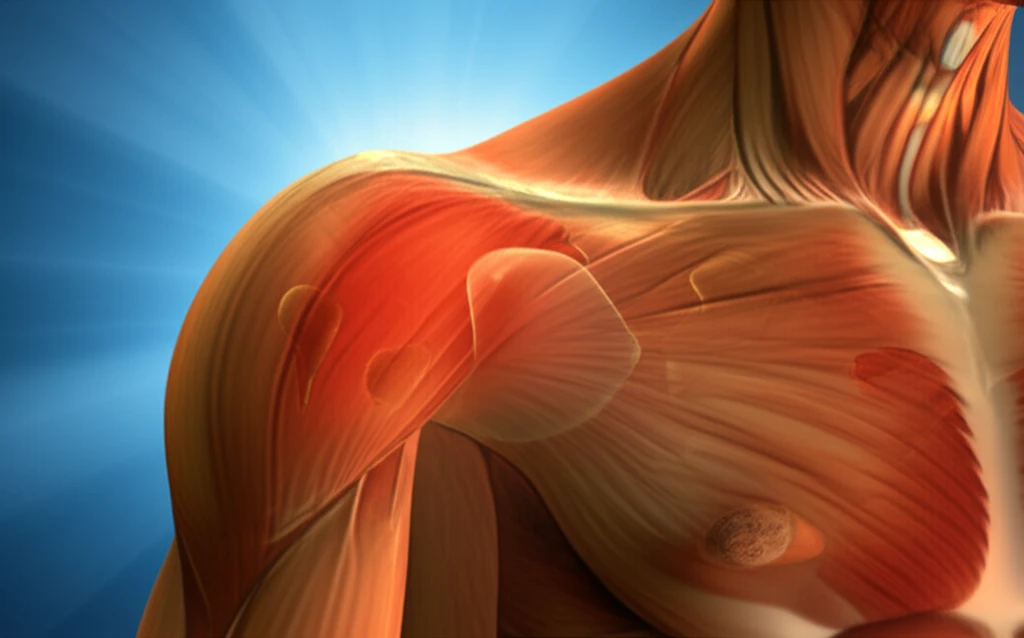
Subacromial bursitis involves inflammation of the bursa, a fluid-filled sac that cushions the space between the acromion (the bony projection on the shoulder blade) and the rotator cuff tendons. Subdeltoid bursitis affects the bursa located beneath the deltoid muscle, which covers the shoulder joint. When these bursae become inflamed, they can cause significant pain and discomfort, making everyday activities challenging.
Understanding the causes, symptoms, and treatment options for subacromial bursitis and subdeltoid issues is crucial for managing shoulder pain effectively. This article explores these aspects in detail, offering practical advice and insights to help you regain pain-free movement and improve your quality of life. Whether you're seeking information for yourself or a loved one, this guide provides a comprehensive overview of these common shoulder conditions.
How Common Is Shoulder Pain?
Research on shoulder pain includes occupational groups and the general population, with attention to workloads and work positions. A global systematic review found substantial variation in reported prevalence and incidence because studies used different case definitions, samples, reference periods, and geographic populations. A UK-focused source reports that around 20% of adults experience shoulder pain at any given time, describing the shoulder as the third most common site for musculoskeletal disease after the back and neck.
A Careful Clinical Assessment
Assessment commonly begins with a history and physical examination, followed by treatment directed at the suspected cause and severity of symptoms. Because shoulder pain can arise from overlapping conditions, clinical findings may not identify subacromial or subdeltoid involvement with complete certainty. Imaging or specialist assessment may therefore be considered when symptoms persist, the diagnosis is unclear, or more serious causes need to be excluded.
From General Pain to Bursa-Focused Diagnosis
Modern descriptions distinguish bursitis from the broader category of painful shoulder conditions, because the term has sometimes been applied too broadly. A bursa is described as a fluid-filled structure that cushions tissues and allows movement with reduced friction. Clinical evaluation traditionally relies on a detailed history and physical examination, including consideration of whether the problem is acute or chronic.
What Causes Subacromial Bursitis and Subdeltoid Pain?
Subacromial bursitis and subdeltoid pain can arise from various factors, often related to overuse, injury, or underlying conditions. Identifying the root cause is essential for effective treatment and prevention.
- Overuse: Repetitive motions or activities that strain the shoulder joint, such as throwing, painting, or lifting heavy objects, can irritate the bursae.
- Injury: A direct blow to the shoulder, a fall, or a sudden twisting motion can cause inflammation and pain in the bursae.
- Rotator Cuff Issues: Conditions like rotator cuff tendinitis or tears can contribute to bursitis by altering shoulder mechanics and increasing friction in the joint.
- Impingement: Shoulder impingement occurs when the tendons of the rotator cuff are compressed within the shoulder joint, leading to inflammation and bursitis.
- Arthritis: Osteoarthritis or rheumatoid arthritis can cause inflammation in the shoulder joint, affecting the bursae and surrounding tissues.
- Poor Posture: Maintaining poor posture can place additional stress on the shoulder, predisposing you to bursitis and other shoulder problems.
- Bone Spurs: The presence of bone spurs (osteophytes) in the shoulder joint can irritate the bursae, leading to inflammation and pain.
What Current Reviews Examine
Recent reviews of subacromial bursitis examine its anatomy, physiology, possible disease mechanisms, imaging-based diagnosis, and treatment options. The 2026 review also evaluates the clinical effectiveness and current use of different injectable agents while identifying areas for future research. Separately, a 2024 evidence-based review emphasizes that physical examination may support a more accurate and efficient diagnostic strategy for shoulder pain, a common complaint in primary care.
Why Recovery Is Not Always Quick
Shoulder bursitis can result from damage or irritation of the bursa, producing inflammation, pain, and sometimes swelling or redness. Although conservative treatment often helps, persistent inflammation may contribute to additional problems such as rotator cuff tearing or adhesive capsulitis, according to one clinical source. Recovery is also variable: one review reports that only one-half of new shoulder-pain episodes in the United States end in complete recovery within six months.
Overlapping Shoulder Conditions
Subacromial bursitis, rotator cuff problems, and other shoulder disorders can produce similar pain and movement limitations. The available clinical descriptions suggest that symptoms alone may not reliably distinguish these conditions, particularly early in the course. A comparison therefore requires attention to the history, examination findings, symptom pattern, and response to care rather than assuming that every painful shoulder reflects bursitis.
Taking Control of Your Shoulder Health
Subacromial bursitis and subdeltoid issues can be painful and disruptive, but with the right understanding and approach, you can manage your symptoms effectively and regain your quality of life. By recognizing the causes, seeking timely diagnosis, and following a comprehensive treatment plan, you can overcome shoulder pain and get back to doing the things you love. Stay proactive, listen to your body, and prioritize your shoulder health for a happier, more active future.
Putting the Evidence Together
The available material supports viewing subacromial bursitis as one possible explanation for shoulder pain rather than an automatic diagnosis for every painful shoulder. Current reviews emphasize anatomy, mechanisms, imaging, examination, and treatment effectiveness as connected parts of evaluation. In practice, the central challenge is matching the clinical picture to the underlying condition while recognizing that recovery may be incomplete or prolonged.
Toward More Targeted Care
Future directions include improving diagnostic clarity and evaluating treatments that target the specific mechanisms contributing to persistent shoulder pain. The 2026 review identifies imaging and injectable agents as active areas of research in subacromial bursitis. General prognosis guidance continues to describe rest, ice, and NSAIDs as initial approaches, while newer conservative-care discussions focus on why symptoms may recur and how care can be refined.
Beyond the Bursa
Bursitis may be acute or chronic, and its causes can include trauma, repetitive activity, infection, osteoarthritis, crystal-related disease, and inflammatory arthropathies, although the cause is often unknown. A perspective review argues that persistent inflammatory shoulder pain may also involve metabolic factors and nervous-system disturbances. It proposes that future treatment research should evaluate targeted interventions against these underlying mechanisms and their effects on shoulder disability.
Living With Uncertain Recovery
Shoulder pain can interfere with movement and everyday activities, while uncertainty about its cause may make the experience especially frustrating. The evidence also shows that recovery does not follow a uniform timetable, with only one-half of new shoulder-pain episodes in one review reaching complete recovery within six months. Early assessment and appropriately matched care may help patients avoid treating every form of shoulder pain as the same problem.