
Rolling into Success: How Recurrent Crimping Can Transform Your Organic Farm

"Unlock the secrets to better cover crop termination, improved soil moisture, and stronger soil structure in your conservation organic system."
In the world of conservation agriculture, cover crops are essential. They protect the soil, improve its structure, and add valuable nutrients. However, managing these crops, especially terminating them effectively, is crucial for a successful transition to the next phase of planting. Rolling and crimping technology has emerged as a popular method for mechanically terminating cover crops, particularly in organic systems where synthetic herbicides are off-limits.
In the southeastern United States, a common practice involves waiting three weeks after rolling a cover crop before planting a cash crop. This waiting period ensures the cover crop is fully desiccated, preventing competition for precious soil moisture. While herbicides like glyphosate can speed up this process, organic farmers need alternative strategies. Could repeated rolling operations be the answer?
But here's the catch: recurrent rolling raises concerns about potential soil compaction, which could hinder water infiltration and root development. So, how do you strike the right balance? This article delves into the effects of recurrent rolling and crimping on cover crop termination, soil moisture, and soil strength, offering insights for conservation organic systems.
The Science Behind Rolling and Crimping: What You Need to Know
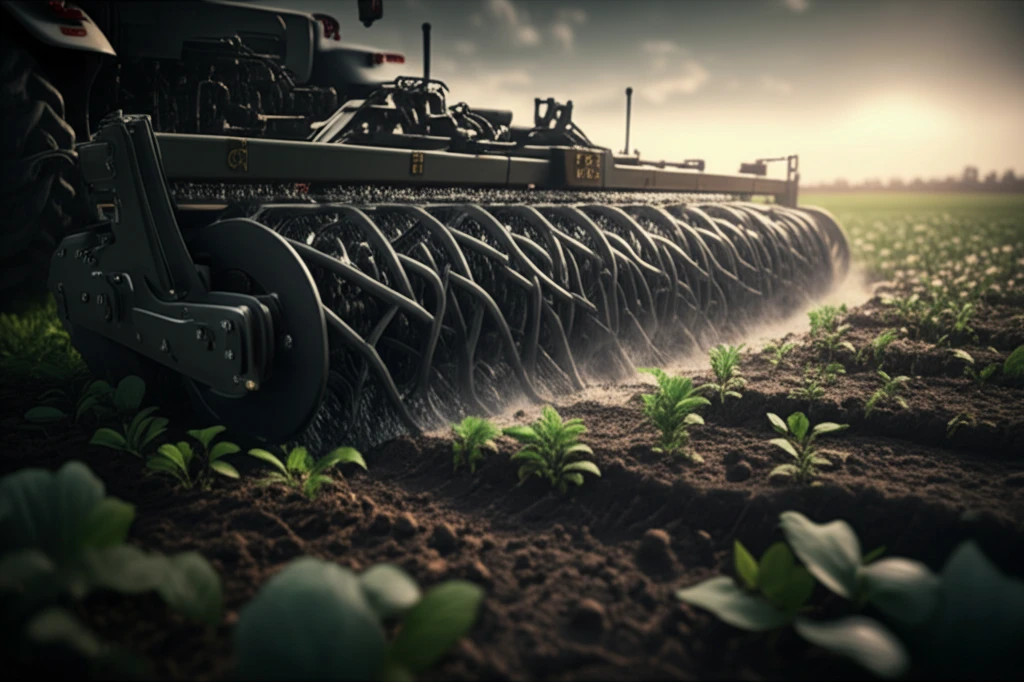
Rolling and crimping involve using a specialized implement to flatten and crush cover crops, effectively terminating their growth. This method, which originated in Brazil, has gained traction worldwide as a way to manage cover crops without synthetic chemicals. The goal is to disrupt the plant's vascular system, causing it to die and create a mulch layer on the soil surface.
- Optimal Timing: Rolling at the correct growth stage is crucial for maximum termination rates.
- Roller Design: Straight-bar rollers and two-stage rollers are common, each with its own advantages.
- Multiple Passes: Recurrent rolling might be necessary for complete termination, especially in diverse cover crop mixtures.
Key Takeaways: Making Rolling/Crimping Work for You
Recurrent rolling and crimping can be a valuable tool for organic farmers seeking to manage cover crops effectively, improve soil moisture, and maintain soil health. However, it's essential to consider the specific cover crop mixture and growth stage. While repeated rolling doesn't appear to cause significant soil compaction, careful monitoring is always recommended.