
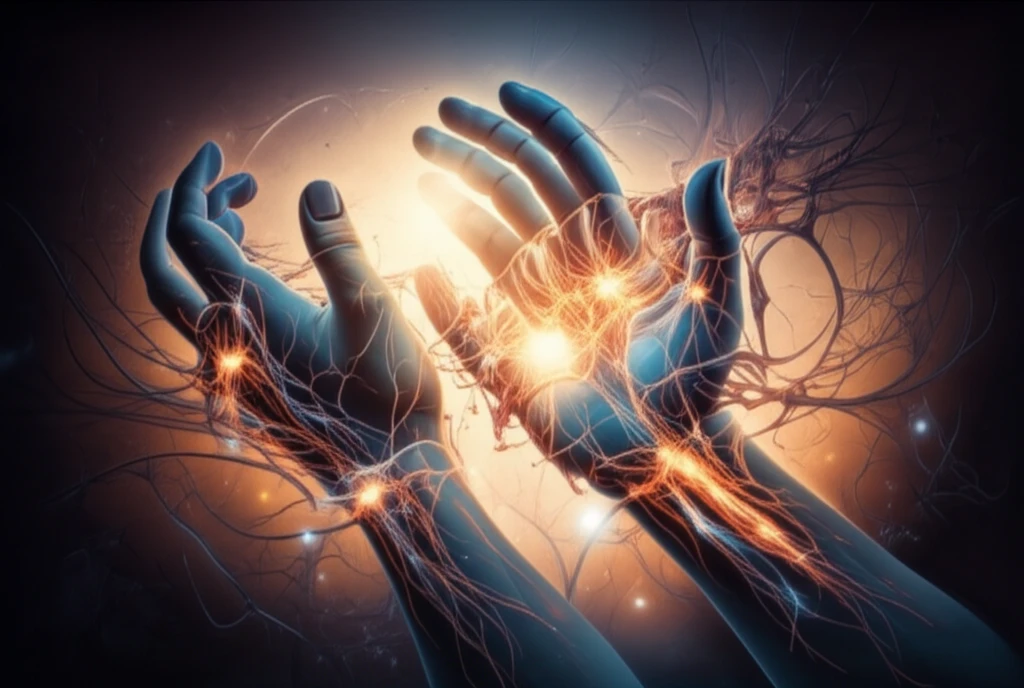
Person recovering from stroke through self-rehabilitation.

Road to Recovery: How Self-Rehabilitation Can Empower Stroke Survivors

"A groundbreaking study reveals the potential of self-rehabilitation programs to improve upper limb function and quality of life for chronic stroke patients."


Stroke is a leading cause of long-term disability, with upper limb impairment affecting approximately 80% of patients. This can significantly impact daily activities, independence, and overall quality of life. Traditional rehabilitation programs often face challenges such as limited access, high costs, and the need for intensive, ongoing therapy.

However, a recent study conducted in Benin offers a promising solution: self-rehabilitation. This innovative approach empowers stroke survivors to take control of their recovery through structured exercises and activities performed in the comfort of their own homes. The results of this study, published in the Annals of Physical and Rehabilitation Medicine, demonstrate the potential of self-rehabilitation to improve upper limb function and enhance the lives of individuals living with chronic stroke.

This article explores the key findings of this research, highlighting the benefits of self-rehabilitation and its implications for stroke recovery. We will delve into the details of the study, the types of exercises involved, and the potential for this approach to transform stroke rehabilitation worldwide.

The Benin Stroke Self-Rehabilitation Study: A Closer Look

Person recovering from stroke through self-rehabilitation.

The study, a randomized controlled trial, involved 59 patients in Benin who had experienced hemiplegia (paralysis on one side of the body) for more than six months after a stroke. Participants were divided into two groups: an experimental group that underwent a self-rehabilitation program and a control group that received no specific treatment related to the study. The experimental group participated in an 8-week self-rehabilitation program, performing exercises at home.

The self-rehabilitation program focused on improving upper limb function through a variety of exercises, including:

  • Unimanual exercises (activities involving one hand)
  • Bimanual exercises (activities involving both hands)
  • Functional exercises (tasks that mimic daily life activities)
  • Repetitive movements (practicing specific movements to improve motor control)
The study measured several outcomes to assess the effectiveness of the self-rehabilitation program, including manual ability, neurological impairments, manual dexterity, and quality of life. These outcomes were assessed at the beginning of the study (T0), at the end of the 8-week program (T1), and 8 weeks after the program ended (T2).

Empowering Stroke Survivors Through Self-Rehabilitation

The Benin stroke self-rehabilitation study offers compelling evidence for the effectiveness of self-rehabilitation programs in improving upper limb function and quality of life for chronic stroke patients. By empowering individuals to take an active role in their recovery, self-rehabilitation can overcome barriers to traditional therapy and provide a cost-effective, accessible solution for stroke survivors worldwide. As research continues to explore the potential of self-rehabilitation, it is poised to transform the landscape of stroke recovery and empower individuals to regain independence and improve their overall well-being.

About this Article -

This article was crafted using a human-AI hybrid and collaborative approach. AI assisted our team with initial drafting, research insights, identifying key questions, and image generation. Our human editors guided topic selection, defined the angle, structured the content, ensured factual accuracy and relevance, refined the tone, and conducted thorough editing to deliver helpful, high-quality information.See our About page for more information.

Everything You Need To Know

1

What is self-rehabilitation for stroke survivors?

Self-rehabilitation is an approach where stroke survivors actively participate in their recovery process. It involves structured exercises and activities, like unimanual exercises, bimanual exercises, functional exercises and repetitive movements, which are performed at home. This method aims to improve upper limb function and overall quality of life by empowering individuals to take control of their rehabilitation.

2

Why is the Benin stroke self-rehabilitation study so important?

The Benin stroke self-rehabilitation study is significant because it demonstrates that self-rehabilitation programs can be effective in improving upper limb function and quality of life for chronic stroke patients. This is particularly important because traditional rehabilitation programs often face challenges related to accessibility and cost. The study highlights the potential of self-rehabilitation to overcome these barriers, offering a cost-effective and accessible solution for stroke survivors worldwide. The study was a randomized controlled trial, involving 59 patients in Benin with hemiplegia for more than six months after a stroke. The experimental group participated in an 8-week self-rehabilitation program at home.

3

What outcomes were measured in the Benin self-rehabilitation study to assess its effectiveness?

The study assessed various outcomes to determine the effectiveness of the self-rehabilitation program. Manual ability, neurological impairments, manual dexterity, and quality of life were all measured. These outcomes were assessed at the beginning of the study (T0), at the end of the 8-week program (T1), and 8 weeks after the program ended (T2). By measuring these outcomes, researchers were able to evaluate the impact of self-rehabilitation on different aspects of recovery.

4

What is upper limb impairment after a stroke, and why is it important to address?

Upper limb impairment, affecting approximately 80% of stroke patients, refers to the reduced function or loss of control in the arms and hands following a stroke. This impairment can significantly impact daily activities, independence, and overall quality of life. The ability to perform tasks such as dressing, eating, and writing can be compromised, leading to dependence on others. Self-rehabilitation, with its focus on unimanual exercises, bimanual exercises, functional exercises and repetitive movements, aims to improve upper limb function and enable individuals to regain independence.

5

What types of exercises were included in the self-rehabilitation program?

The self-rehabilitation program included various exercises designed to improve upper limb function: Unimanual exercises involve activities using one hand, bimanual exercises involve activities using both hands, functional exercises mimic daily life tasks, and repetitive movements involve practicing specific motions to improve motor control. These exercises are structured to enhance different aspects of upper limb function and promote recovery. These exercises are completed over an 8 week period.

Newsletter Subscribe

Subscribe to get the latest articles and insights directly in your inbox.