
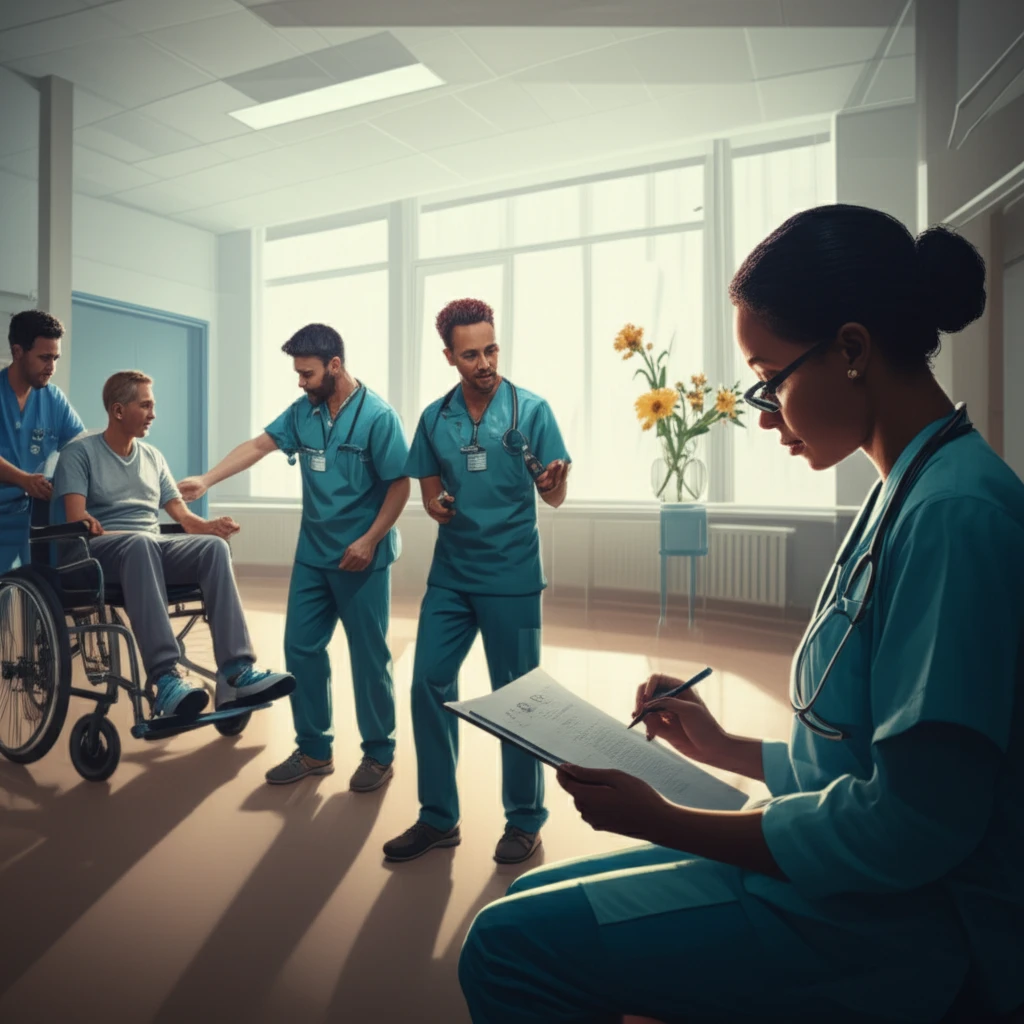
Rehab Revolution: How Personalized Care is Changing Recovery

"Discover how interdisciplinary rehabilitation programs are tailoring treatments for stroke and cancer patients, leading to improved outcomes and a better quality of life."
Rehabilitation medicine is undergoing a transformation, shifting from generalized approaches to highly personalized care plans. This evolution is particularly impactful for patients recovering from major health events like stroke or cancer, where individualized strategies can significantly improve recovery outcomes and overall quality of life.
Traditionally, rehabilitation programs followed standardized protocols. However, healthcare professionals now recognize that each patient's recovery journey is unique, influenced by factors such as their medical history, personal circumstances, and specific challenges. Personalized rehabilitation addresses these individual needs, tailoring interventions to optimize each patient's potential.
This article explores the latest advancements in personalized rehabilitation, highlighting innovative programs designed for stroke and cancer patients. By understanding these approaches, patients and their families can advocate for care that best meets their specific needs, leading to more effective and fulfilling recovery experiences.
Stroke Rehabilitation: A Team Approach to Recovery
Stroke rehabilitation has seen significant progress with the integration of interdisciplinary clinics. These clinics assemble teams of specialists—including physiatrists, physical therapists, occupational therapists, and neuropsychologists—to provide comprehensive care for stroke survivors. The focus is on addressing the multifaceted challenges that stroke patients face, from physical limitations to cognitive and emotional difficulties.
- Improved Functional Independence: Interdisciplinary care helps patients regain abilities needed for daily living, such as mobility, self-care, and communication.
- Enhanced Cognitive Function: Neuropsychologists address cognitive impairments, helping patients improve memory, attention, and problem-solving skills.
- Better Emotional Well-being: Therapists provide support for emotional challenges like depression and anxiety, which are common after a stroke.
- Comprehensive Medical Management: Physiatrists oversee medical needs, ensuring that underlying health issues are managed to support rehabilitation efforts.
The Future of Rehabilitation: Tailored Care for Optimal Outcomes
Personalized rehabilitation is set to become the standard of care, driven by growing evidence of its effectiveness and the increasing recognition of individual patient needs. As healthcare continues to evolve, integrating personalized approaches will be crucial for optimizing recovery outcomes and enhancing the quality of life for patients facing significant health challenges. By embracing these advancements, we can ensure that rehabilitation is not just about recovery, but about empowering patients to live their fullest lives.