
Phase Change Materials: The Cool Solution for Hot Electronics?

"Explore how Phase Change Materials (PCMs) can revolutionize thermal management in electronic devices, keeping them running smoothly and reliably."
In today's world, electronic devices are indispensable, powering everything from smartphones to complex industrial machinery. However, these devices generate heat, which, if not managed effectively, can lead to performance degradation and premature failure. As components shrink and power densities increase, the challenge of thermal management becomes even more critical.
Traditional cooling methods, such as fans and liquid cooling systems, can be bulky, noisy, and energy-intensive. This has led researchers to explore alternative solutions, and Phase Change Materials (PCMs) have emerged as a promising candidate. PCMs offer a passive approach to thermal management, absorbing heat during their phase transition (e.g., melting) and releasing it later, thus maintaining a stable temperature for electronic components.
This article delves into the suitability of PCMs for thermal management in electronic components. We'll explore how they work, their advantages and disadvantages, and their potential to keep our devices running cooler, longer, and more reliably. By understanding PCMs, we can appreciate their role in the future of electronics cooling.
How Do PCMs Keep Electronics Cool?
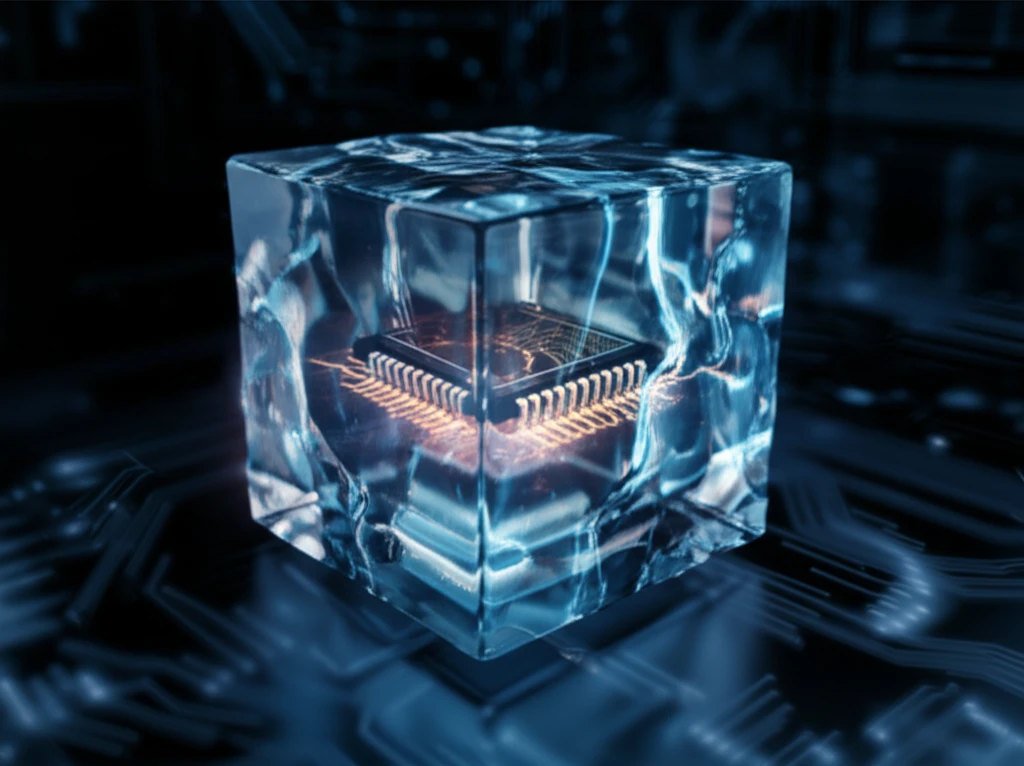
PCMs are substances that absorb and release thermal energy during a phase change (e.g., solid to liquid) while maintaining a constant temperature. Think of it like ice melting in a drink: the ice absorbs heat, keeping the drink cool until all the ice has melted. Similarly, a PCM placed near an electronic component will absorb the heat generated by the component as it melts, preventing the component from overheating.
- Phase Transition: PCMs change state (typically solid to liquid) at a specific temperature, absorbing a large amount of heat during this process.
- Constant Temperature: While changing phase, the PCM maintains a nearly constant temperature, preventing the electronic component from exceeding its maximum allowable temperature.
- Passive Cooling: PCMs operate without requiring external power or moving parts, making them a reliable and energy-efficient cooling solution.
- Heat Dissipation: Once the PCM has absorbed its maximum amount of heat, the heat needs to be dissipated to the surroundings, often through a heat sink or other cooling mechanism.
The Future of Cooling is Passive
PCMs offer a compelling solution to the growing challenge of thermal management in electronics. Their passive operation, ability to maintain stable temperatures, and potential for integration into compact devices make them an attractive alternative to traditional cooling methods.
While PCMs have some limitations, such as low thermal conductivity, ongoing research is focused on overcoming these challenges through the use of nano-additives, metallic foams, and other advanced materials. These advancements promise to further enhance the performance and applicability of PCMs in a wide range of electronic devices.
As electronics continue to evolve, PCMs are poised to play an increasingly important role in ensuring their reliability and longevity. By embracing these innovative materials, we can pave the way for more efficient, compact, and sustainable electronic systems.