
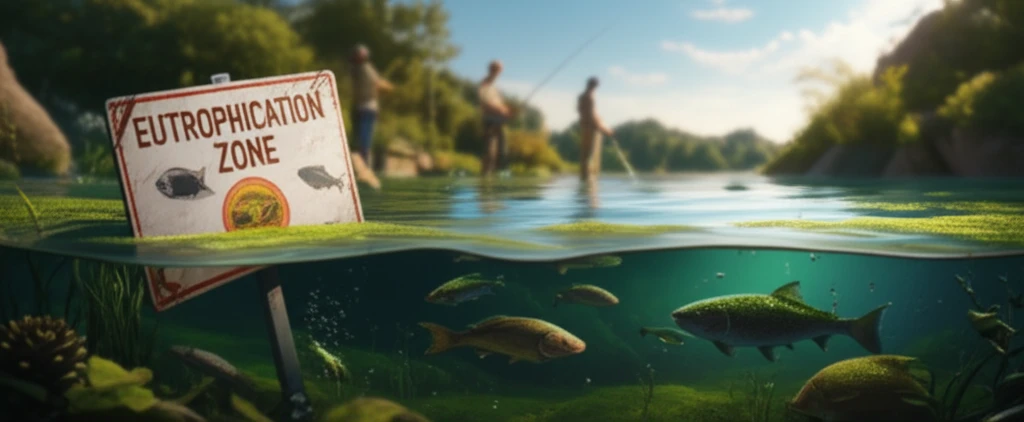
Is Your Lake in Danger? Unveiling the Secrets of Eutrophication and What You Can Do

"Understanding Phosphate Enrichment and Its Impact on Lake Health, and Practical Steps to Protect Our Water Resources"
Our lakes, serene and vital, are facing an unseen threat: eutrophication. This process, fueled by an overabundance of nutrients like phosphates, is transforming these pristine waters into murky, oxygen-depleted environments. The consequences are far-reaching, impacting aquatic life, water quality, and even human activities like fishing and recreation.
This article delves into the science behind phosphate enrichment, exploring its sources, effects, and the factors that contribute to this growing environmental challenge. We will examine the role of human activities, such as aquaculture and agricultural runoff, and how they accelerate eutrophication in lakes.
But it's not all doom and gloom. We'll also explore practical, evidence-based solutions to mitigate phosphate enrichment and restore the health of our lakes. From innovative technologies to community-driven initiatives, this article offers a comprehensive guide to understanding and addressing this critical issue, empowering you to take action and protect our precious water resources.
The Silent Threat: Unmasking the Sources and Impacts of Phosphate Enrichment
Phosphate enrichment, the primary driver of eutrophication, originates from a variety of sources. Agricultural runoff, laden with fertilizers, is a significant contributor, as are wastewater treatment plants and industrial discharges. In lakes with aquaculture, the use of fish feed adds to the phosphate load, further exacerbating the problem.
- Algal Blooms: Excessive phosphate triggers rapid algal growth, creating unsightly and sometimes toxic blooms.
- Oxygen Depletion: As algae die and decompose, they consume oxygen, suffocating fish and other aquatic life.
- Loss of Biodiversity: Eutrophication leads to a decline in the diversity of aquatic species, favoring a few tolerant organisms.
- Water Quality Degradation: The water becomes turbid, odorous, and can be unsafe for drinking and recreational activities.
- Economic Impacts: Eutrophication can harm fishing industries, tourism, and property values.
Take Action: Protecting Our Lakes for Future Generations
Addressing phosphate enrichment requires a multi-faceted approach. Reducing fertilizer use in agriculture, upgrading wastewater treatment facilities, and implementing sustainable aquaculture practices are crucial steps. Community involvement is essential, from advocating for responsible policies to supporting local initiatives that promote lake conservation. By working together, we can safeguard our lakes, ensuring these vital ecosystems thrive for generations to come.