
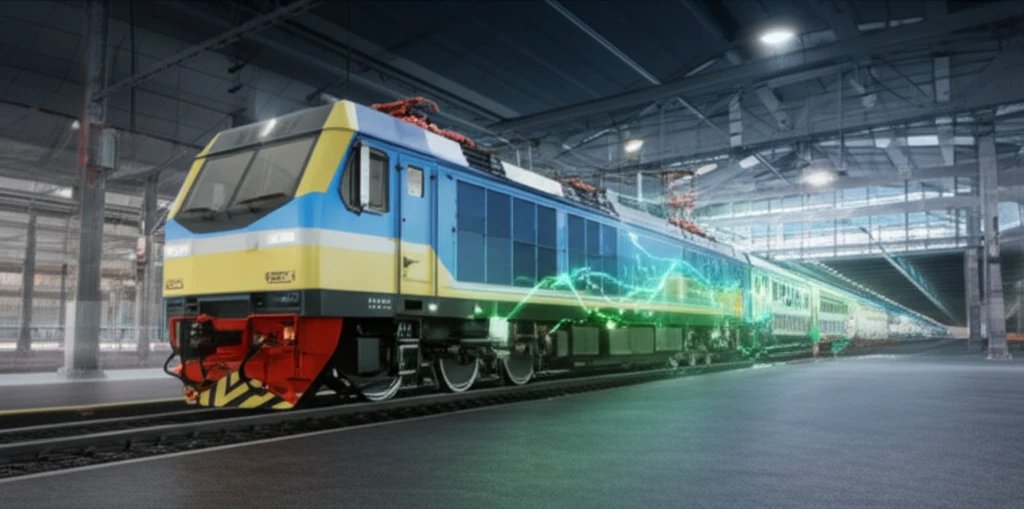
Futuristic hybrid locomotive showcasing the transition between diesel and electric power for sustainable railway operations.

Hybrid Locomotives: The Eco-Friendly Future of Shunting?

"Could combining diesel and electric power revolutionize railway efficiency and sustainability?"


The railway industry, a cornerstone of global transportation, is increasingly under pressure to adopt sustainable practices. Traditional diesel locomotives, while powerful, contribute significantly to greenhouse gas emissions and fuel consumption. This has spurred interest in innovative solutions, particularly in shunting operations, where locomotives spend considerable time idling or performing short, energy-intensive tasks.

Hybrid diesel-electric locomotives are emerging as a promising alternative. By combining a diesel engine with an electric motor and energy storage system, these locomotives can optimize energy use, reduce emissions, and improve overall efficiency. The core idea is to capture and reuse energy that would otherwise be wasted, such as during braking, and to use the electric motor for tasks that don't require the full power of the diesel engine.

This article delves into the impact of hybrid power plants on shunting diesel locomotives, examining the potential benefits, optimal design considerations, and real-world performance improvements. We'll explore how these advanced systems are reshaping railway operations, paving the way for a more sustainable and cost-effective future.

Why Hybrid Power Makes Sense for Shunting Operations

Futuristic hybrid locomotive showcasing the transition between diesel and electric power for sustainable railway operations.

Shunting operations, which involve moving railcars within a yard to assemble trains, represent a unique opportunity for hybrid technology. A significant portion of a shunting locomotive's time is spent idling, consuming fuel without performing useful work. The frequent starts and stops also lead to energy wastage during braking.

Hybrid systems address these inefficiencies by allowing the diesel engine to shut off during idling, relying on the electric motor and battery for short movements. During braking, the electric motor acts as a generator, converting kinetic energy back into electricity and storing it in the energy storage system, a process known as regenerative braking.

  • Reduced Fuel Consumption: Hybrid systems optimize fuel use by minimizing idling and capturing wasted energy.
  • Lower Emissions: With less reliance on the diesel engine, emissions of greenhouse gases and pollutants are significantly reduced.
  • Improved Efficiency: Energy recovery and optimized power delivery lead to better overall operational efficiency.
  • Enhanced Performance: Electric motors provide instant torque, improving acceleration and responsiveness.
Research, such as that conducted on modernized ChME3 locomotives, demonstrates the tangible benefits of hybrid systems in shunting applications. By analyzing the duty cycles of these locomotives, researchers can determine the optimal size and power of the diesel generator and energy storage system to maximize fuel savings and minimize emissions. The result is a more sustainable and cost-effective solution for railway operations.

A Greener Track Ahead

The adoption of hybrid diesel-electric locomotives in shunting operations represents a significant step towards a more sustainable railway industry. By optimizing energy use, reducing emissions, and enhancing performance, these locomotives offer a compelling alternative to traditional diesel-powered systems. As technology continues to advance and costs decrease, hybrid locomotives are poised to play an increasingly important role in shaping the future of railway transportation.

About this Article -

This article was crafted using a human-AI hybrid and collaborative approach. AI assisted our team with initial drafting, research insights, identifying key questions, and image generation. Our human editors guided topic selection, defined the angle, structured the content, ensured factual accuracy and relevance, refined the tone, and conducted thorough editing to deliver helpful, high-quality information.See our About page for more information.

This article is based on research published under:

DOI-LINK: 10.1051/matecconf/201713303003, Alternate LINK

Title: The Impact Of The Type Of Operation On The Parameters Of A Shunting Diesel Locomotive With Hybrid Power Plant

Subject: General Medicine

Journal: MATEC Web of Conferences

Publisher: EDP Sciences

Authors: Anatoliy Falendysh, Mykyta Volodarets, Olha Kletska, Viktoriia Hatchenko

Published: 2017-01-01

Everything You Need To Know

1

What makes hybrid diesel-electric locomotives a more sustainable choice compared to traditional diesel locomotives?

Hybrid diesel-electric locomotives offer a more sustainable solution by combining a diesel engine with an electric motor and an energy storage system. This setup allows for optimized energy use, reduced emissions, and improved overall efficiency. Key benefits include minimizing idling time for the diesel engine, capturing wasted energy through regenerative braking, and using the electric motor for tasks not requiring the diesel engine's full power. Traditional diesel locomotives, conversely, contribute significantly to greenhouse gas emissions and fuel consumption, particularly during shunting operations.

2

How does regenerative braking contribute to the efficiency of hybrid diesel-electric locomotives?

Regenerative braking in hybrid diesel-electric locomotives significantly enhances energy efficiency. During braking, the electric motor acts as a generator, converting the locomotive's kinetic energy back into electricity. This electricity is then stored in the energy storage system for later use. This process reduces the need for the diesel engine to provide power for acceleration and other tasks, decreasing fuel consumption and emissions. Without regenerative braking, this kinetic energy would be lost as heat, representing a significant waste of energy.

3

What are the primary advantages of using hybrid power systems specifically in shunting operations within the railway industry?

Hybrid power systems are particularly advantageous in shunting operations because these operations involve frequent starts, stops, and idling. Hybrid systems allow the diesel engine to shut off during idling, relying on the electric motor and battery for short movements. Regenerative braking captures energy during stops, and the electric motor provides instant torque for improved acceleration. This leads to reduced fuel consumption, lower emissions, improved efficiency, and enhanced performance compared to traditional diesel locomotives, which consume fuel even when idling.

4

How do researchers optimize the design of hybrid systems for shunting locomotives, and what impact does this have on sustainability?

Researchers optimize hybrid systems by analyzing the duty cycles of locomotives, such as the modernized ChME3, to determine the ideal size and power of the diesel generator and energy storage system. This analysis helps maximize fuel savings and minimize emissions. By tailoring the hybrid system to the specific demands of shunting operations, researchers can achieve a more sustainable and cost-effective solution. For example, selecting the right battery size ensures efficient energy recovery without adding unnecessary weight or cost. Optimizing component sizes based on operational data is critical for maximizing environmental and economic benefits.

5

What is the role of the energy storage system in hybrid diesel-electric locomotives, and why is it important for the future of railway transportation?

The energy storage system in hybrid diesel-electric locomotives stores electrical energy generated during regenerative braking and provides power to the electric motor during operation. This system is crucial for capturing and reusing energy that would otherwise be wasted. The energy storage system improves fuel efficiency, reduces emissions, and enhances overall performance. As technology advances and costs decrease, sophisticated energy storage systems will be essential for the widespread adoption of hybrid locomotives, paving the way for a more sustainable and environmentally friendly railway industry. Without an effective energy storage system, the benefits of regenerative braking and electric propulsion would be severely limited.

Newsletter Subscribe

Subscribe to get the latest articles and insights directly in your inbox.