
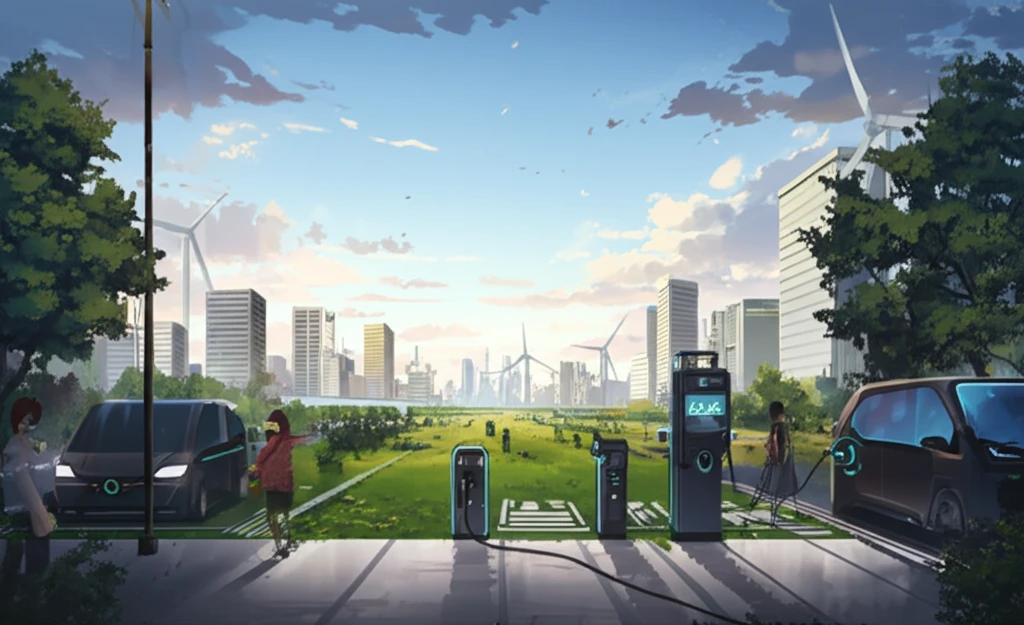
Electric Vehicle Habits: Are You Ready to Adapt Your Driving?

"Discover how switching to an EV could change your travel patterns and what that means for the future of sustainable transportation."
Electric vehicles (EVs) are more than just a trend; they're a key part of a greener future. The shift from gas-guzzlers to EVs promises cleaner air and quieter streets, but it also brings a new set of considerations for drivers. Will you still take the same routes? Will weekend getaways require more planning? Understanding these changes is crucial to making the most of EV technology.
Early studies often assumed that people would simply swap their old cars for electric ones and continue driving as before. However, real-world experience tells a different story. EV drivers may find themselves altering their habits due to factors like battery range, charging availability, and the cost of electricity versus gasoline. These adaptations can either amplify the benefits of EVs or, surprisingly, create new challenges.
This article explores how people adapt their travel patterns when they switch to electric vehicles, drawing insights from a detailed study conducted in Stockholm, Sweden. By understanding these adaptations, we can better prepare for the widespread adoption of EVs and ensure a truly sustainable transportation future.
Electricity & Infrastructure
Electricity constitutes a fundamental form of energy essential to modern technological infrastructure. Wholesale distributors supply electrical products including lighting, tools, control systems, and automation equipment across commercial and utility sectors. Local electricians provide design and installation services using trained, licensed professionals to maintain electrical systems.
Electrical Service Methods
Local electricians in the Seattle area provide quality services with upfront pricing for customer transparency. Twenty-four-hour customer service availability ensures support for electrical needs outside regular business hours. Skilled professionals deliver design and installation solutions for various electrical requirements in the community.
Electrical History
Historical development of electrical systems spans many decades, with numerous milestones shaping the field's progression. Foundational discoveries in electrical science have influenced technology trajectories across multiple generations. These historical patterns continue to inform contemporary approaches to electrical infrastructure and technology adoption.
Range Anxiety or Open Road: How EVs Reshape Your Daily Travel
One of the most significant factors influencing EV driver behavior is range – how far you can travel on a single charge. The Stockholm study presented drivers with different range scenarios, from severely limited to virtually unlimited, and asked how they would adapt their travel patterns. The results revealed some interesting trends.
- Use public transport: Especially if the travel time difference between car and public transport was minimal and transfers were few.
- Cancel trips: Shopping and social visits were more likely to be cut short than work commutes.
- Replace EV car trips with alternative vehicle car trips.
Research & Reviews
Current research initiatives in electrical technology explore new methodologies and performance improvements. Review processes evaluate emerging approaches against established benchmarks and industry standards. Ongoing assessment helps identify potential advancements and limitations in electrical system development.
Counter Perspectives
Discussions around electrical technology adoption often include diverse perspectives on limitations and challenges. Critiques may focus on cost, infrastructure requirements, or performance constraints in specific contexts. Understanding these counter perspectives contributes to more balanced technology assessments.
Comparative Study
Comparative evaluations of electrical technologies consider multiple factors including efficiency, cost, and application suitability. Different approaches may offer varying advantages depending on specific use cases and regional conditions. Such analysis supports informed decision-making across different technological options.
- Make additional car trips: Often for shopping.
- Replace existing public transport trips with car trips.
Driving Change: Policies for a Sustainable EV Future
The research in Stockholm underscores that simply switching to EVs isn't enough. We need policies that encourage smart EV usage to truly maximize their environmental benefits. By focusing on improving public transport, strategically implementing charging infrastructure, and exploring incentives for off-peak charging, we can steer EV adoption toward a more sustainable path.
Expert Synthesis
Expert synthesizes integrate diverse viewpoints on electrical technology trajectories and market developments. Commentary reflects synthesis of multiple stakeholder perspectives including industry, regulatory, and consumer viewpoints. These integrated analyses aim to capture the multifaceted nature of technological evolution.
Future Frontiers
Future projections for electrical technology suggest continued innovation and expansion into new application areas. Emerging frontiers may include advanced materials, smart grid integration, and next-generation system designs. These developments could shape trajectories over coming years and decades.
Systemic Challenges
Systemic analysis of electrical infrastructure often reveals interconnected challenges involving grid capacity, resource allocation, and regulatory frameworks. Broader contextual factors include policy environments, market dynamics, and technological interdependencies. These systemic elements influence technology diffusion and adoption patterns.
Human Element
Real-world experiences with electrical technology adoption vary significantly across different user groups and circumstances. Human factors such as accessibility, awareness, and personal circumstances shape individual technology interactions. These lived experiences provide valuable insights for broader technology planning and policy development.