
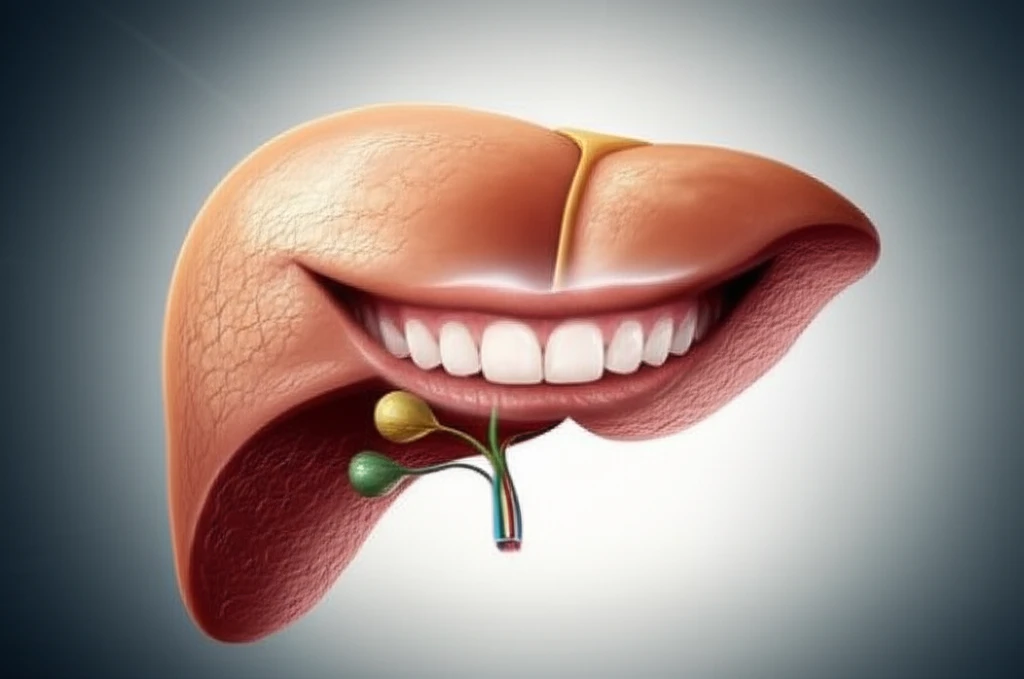
Hidden Risks: Liver Transplants and Your Dental Health

"Discover the surprising link between liver transplant candidacy and increased dental problems, plus what you can do about it."
When facing serious health challenges like end-stage liver disease, it's easy to focus solely on the primary condition. However, the body is interconnected, and one area of health can significantly impact another. For individuals considering liver transplantation (LT), this is especially true, as their oral health can play a surprisingly crucial role in their overall outcomes.
Cirrhosis, often stemming from hepatitis B, hepatitis C, or excessive alcohol consumption, weakens the immune system. This, combined with the effects of liver disease, can create a perfect storm for infections. Adding to this, post-transplant immunosuppression further increases the risk of complications. The mouth, often overlooked, can become a breeding ground for pathogens that trigger serious post-operative infections.
This article will explore the lesser-known link between liver transplant candidacy and dental health, focusing on a recent study that sheds light on the prevalence of apical periodontitis (AP) – a specific type of dental infection – and the frequency of root canal treatments in this population. Understanding these connections can empower you to take proactive steps to protect your health and improve your transplant journey.
What the Evidence Shows
Research on liver-transplant patients has compared periodontal and dental health after transplantation with that of healthy people and pre-transplant patients. A separate study examined dental health among transplant candidates against national oral-health survey data and considered associations with recent dental visits, smoking, and liver-disease type. In one subgroup analysis, the difference in the number of teeth with caries between pre-transplant candidates and healthy individuals was not statistically significant (mean difference 1.65; confidence interval −0.87 to 4.17).
Pre-Transplant Oral and ENT Assessment
Reviews describe assessment of oral, dental, and ear, nose, and throat (ENT) conditions as part of pre-transplant evaluation. The assessment addresses potential sepsis during post-transplant immunosuppression, existing malignancies including oral potentially malignant disorders, and other dental or ENT concerns before and after transplantation. A 2018 bibliographic review also proposed an outpatient dental-care routine for people with liver disease and liver-transplant recipients. The available source summaries describe these aims and approaches but do not specify a single standardized protocol or quantify its limitations.
From the First Transplant to Later Oral-Health Studies
The historical account identifies Thomas Starzl’s first liver transplant in 1963 as a milestone. It says that surgical techniques, immunosuppression, and perioperative intensive care improved extensively afterward, and that liver transplantation became standard therapy for irreversible liver failure. Later work has examined oral health in children after transplantation; a 2025 study summary reports delayed dental development despite caries rates similar to those of healthy peers.
The Study: Uncovering the Dental Risks
A recent study published in Med Oral Patol Oral Cir Bucal investigated the oral health of liver transplant candidates (LTCs) compared to a control group of healthy individuals. The researchers aimed to determine if there was a significant difference in the prevalence of apical periodontitis (AP), identified through radiographic periapical lesions (RPL), and the number of root canal treatments between the two groups.
- Higher AP Prevalence: A staggering 79% of liver transplant candidates showed radiographic signs of AP, compared to only 50% of the control group.
- Fewer Root Canal Treatments: Surprisingly, LTCs had significantly fewer root-filled teeth (19%) compared to the control group (62%).
- More Affected Teeth: Among LTC patients, 14.7% of their teeth were affected by AP, while only 4.2% of teeth in the control subjects were affected.
Oral Health and Post-Transplant Measures
A study of pre-transplant oral health reported that worse dental status was associated with higher alanine aminotransferase (ALT) levels one year after liver transplantation and with lower albumin levels. Another source reports findings from earlier research: periapical lesions were observed in 76% of patients waiting for transplantation, while a separate group found one or more apical-periodontitis foci in 46% of 110 patients with liver cirrhosis. These findings come from different studies and describe distinct patient groups.
Oral Health Reflects More Than Hygiene
A study of apical periodontitis in liver-transplant candidates notes that poor oral health may be attributable not only to poor oral hygiene but also to inadequate dental care. Other source material says candidates often need dental infection foci eradicated and that post-transplant patients face a high risk of inflammation-related complications. Together, these points caution against treating oral hygiene alone as an explanation for dental problems or as the entire response to them.
Different Measures, Different Comparisons
One study of endodontically treated teeth reported a 72.1% prevalence of apical periodontitis in the teeth examined. Separately, a systematic review identified 11 studies comparing oral mucosal disease frequency in liver-transplant recipients with healthy people, the general population, or pre-transplant patients. These sources address different outcomes and comparison groups, so the 72.1% figure should not be read as a transplant-versus-control comparison.
What This Means for You: Taking Control of Your Oral Health
If you or someone you know is a liver transplant candidate, these findings underscore the critical need for proactive dental care. A comprehensive oral health examination should be a priority, including a thorough assessment of periapical status and identification of any existing infections.
Dental and Periodontal Health Around Transplant
A study assessed oral health-related quality of life in relation to dental and periodontal health among patients before and after liver transplantation and compared them with a healthy control group. A separate review emphasizes evaluating oral, dental, and ENT conditions before transplantation, including because of potential post-transplant sepsis during immunosuppression. Taken together, these sources frame dental health as relevant both to patients’ reported quality of life and to transplant evaluation.
Earlier Screening and Salivary Research
A review recommends referring people scheduled for organ transplantation to a dental clinic as early as possible to remove potential sources of oral infection. It also emphasizes educating physicians and patients about early dental screening and pre-transplant treatment. A 2022 cross-sectional study set out to compare salivary oral-health markers in post-liver-transplant patients with those in systemically healthy dental outpatients, exploring how transplantation may affect salivary biochemistry.
Given the increased risk of AP and the potential for dental infections to complicate the transplant process, early intervention is key. This may involve root canal treatments to address existing infections, extractions of non-restorable teeth, and a focus on improving overall oral hygiene.
By prioritizing dental health, liver transplant candidates can reduce their risk of post-transplant complications, improve their overall well-being, and increase their chances of a successful transplant journey. Don't let hidden dental issues jeopardize your health – take control and make your oral health a priority today.