
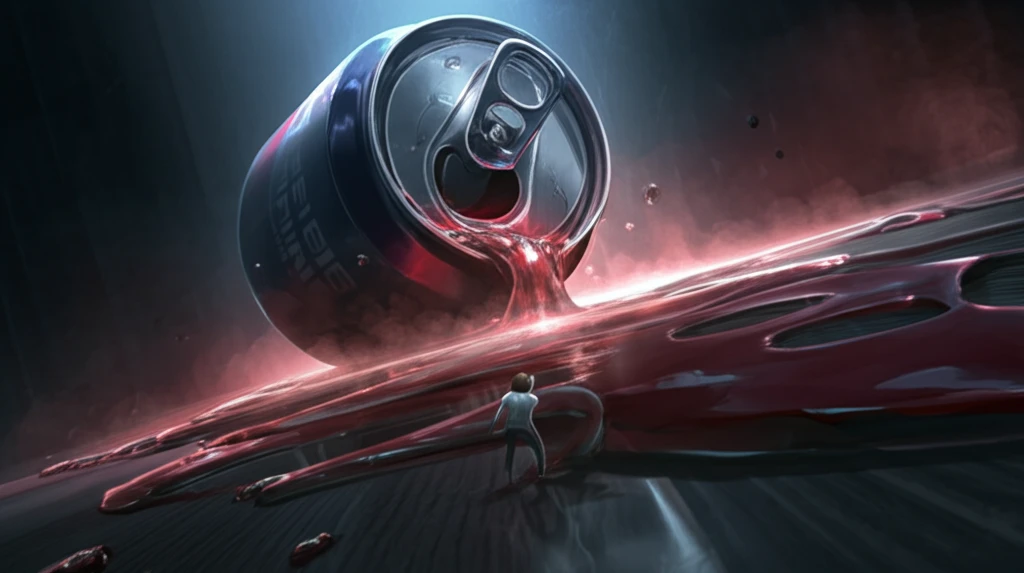
Energy Drinks: Are They Really Worth the Buzz?

"Uncover the shocking effects of caffeinated energy drinks on your heart and mind, and learn how to make healthier choices for sustained energy."
In today's fast-paced world, energy drinks have become a staple for students, professionals, and anyone needing a quick boost. Marketed as a way to enhance alertness and combat fatigue, these beverages promise increased focus and performance. However, beneath the appealing promises lie potential health risks that consumers should be aware of.
Energy drinks typically contain high levels of caffeine, along with a mix of sugars, vitamins, and other supplements like taurine and guarana. While these ingredients may provide a temporary surge of energy, they can also have significant effects on the neurological and cardiovascular systems. The question is, are these effects worth the convenience and short-term benefits?
This article delves into the science behind energy drinks, exploring their impact on your health and offering insights into making informed choices. We'll examine the specific risks associated with these beverages, provide practical tips for managing your energy levels, and help you decide if that can of energy drink is truly worth the buzz.
Current Impact
The effects of energy drinks can vary substantially by product, serving size, and individual sensitivity. Their perceived benefits and potential drawbacks are therefore best considered cautiously rather than assumed to apply equally to everyone. More current, subsection-specific evidence would be needed to quantify their overall health impact.
Defining Energy
Energy is described as a quantitative property transferred to a body or physical system, recognizable through the capacity to do work and through heat and light. The journals Energy and Applied Energy present energy research as encompassing analysis, evaluation, conversion, conservation, resource optimization, and environmental considerations. These broad scientific frameworks help define energy-related concepts, but the listed sources do not specifically evaluate energy drinks or establish a standard health method for assessing them.
The Joule and the Meaning of Energy
Britannica defines energy fundamentally as the capacity to perform work and distinguishes it from power, which is the rate at which work is done or energy is delivered. In the International System of Units, energy is measured in joules. One joule represents the work done by a one-newton force acting over a distance of one meter.
The Dark Side of Energy Drinks: Unpacking the Risks
Energy drinks have raised concerns among health professionals due to their potential adverse effects. While manufacturers claim these drinks are safe, a growing body of research suggests otherwise. A key issue is the high concentration of caffeine, which can lead to a range of cardiovascular and neurological problems. Here’s what you need to know:
- Cardiovascular Risks: Energy drinks can cause significant cardiovascular problems. Visits to emergency rooms due to energy drink consumption often involve issues such as arrhythmia (irregular heartbeat) and elevated blood pressure. These effects are primarily attributed to the high caffeine content, which can strain the heart.
- Neurological Risks: Neurologically, energy drinks have been linked to seizures and convulsions. The combination of stimulants can overexcite the nervous system, leading to these severe reactions. Additionally, the drinks can exacerbate anxiety and cause panic attacks, particularly in individuals sensitive to caffeine.
- The Danger of Mixing: A particularly risky behavior is combining energy drinks with alcohol or other drugs. This combination can mask the depressant effects of alcohol, leading individuals to consume more than they realize. It also increases the risk of both cardiovascular and neurological complications.
Evidence Still Matters
The available source material does not provide a current study or review focused specifically on energy drinks. As a result, claims about their latest benefits or risks should be treated cautiously. A sound assessment would require recent research that directly examines the products, ingredients, dosages, and populations involved.
Limits of the Buzz
The available source material does not document specific failures, adverse-event rates, or counterarguments about energy drinks. It therefore cannot establish whether reported benefits outweigh possible drawbacks. Any criticism or defense of these products should be tied to evidence that directly addresses energy-drink use.
Comparisons Require Evidence
No subsection-specific sources were provided to compare energy drinks with coffee, tea, water, sports drinks, or other alternatives. Their relative value consequently cannot be determined from the supplied material. Comparisons would need consistent information about ingredients, amounts, intended uses, and health outcomes.
Making Informed Choices: A Path to Sustained Energy
Given the potential risks, it's essential to approach energy drinks with caution. Education is key to moderating consumption and avoiding dangerous combinations, especially with alcohol. If you're looking for ways to boost your energy, consider healthier, more sustainable options. Maintaining a balanced diet, staying hydrated, getting regular exercise, and ensuring adequate sleep are all effective strategies for managing your energy levels naturally. In conclusion, while the allure of a quick energy boost is tempting, understanding the potential health consequences is crucial for making informed choices that support your long-term well-being.
A Cautious Synthesis
The supplied sources do not include expert commentary specific to energy drinks. A responsible synthesis should therefore avoid presenting a definitive judgment about whether these products are worth the buzz. The most supportable conclusion from the available material is that product-specific evidence is necessary for a meaningful assessment.
What Future Research Needs
The supplied source material does not provide projections or emerging research directions for energy drinks. Future work would need to clarify how product formulations, consumption patterns, and individual responses affect outcomes. Until such evidence is available, expectations about the products' future benefits or risks remain uncertain.
Science and Large-Scale Challenges
The U.S. Department of Energy describes its Genesis Mission as an effort to unite human curiosity with machine intelligence, double scientific output, and address major challenges. This illustrates a broader policy context in which energy-related science is connected to large-scale national and global problems. The source does not, however, address energy drinks or their health effects directly.
Individual Experience
The available source material does not describe how energy drinks affect people in real-world settings. Individual experiences may differ, but the supplied sources do not identify which groups benefit, face risks, or use these products most often. Those questions require direct health and behavioral evidence rather than general statements about energy.