
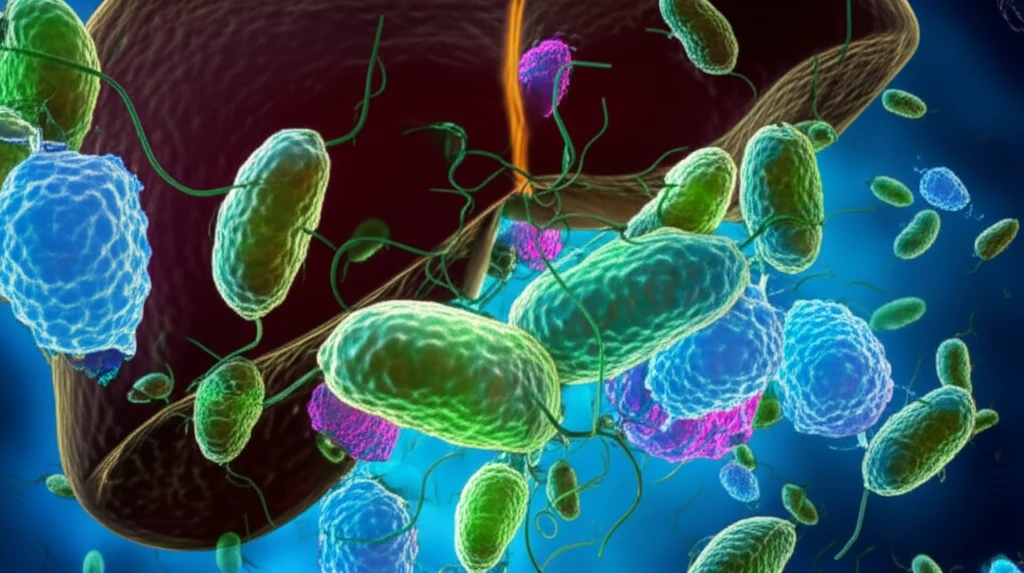
Can Niosomes Beat Malaria? A Promising Drug Delivery System

"New research explores how co-loading anti-malarial drugs into Tween 80 niosomes enhances their effectiveness and survivability in treating malaria."
Malaria remains a major global health threat, caused by parasites transmitted through mosquito bites. The most dangerous species, Plasmodium falciparum and Plasmodium vivax, lead to severe illness and fatalities. A significant challenge in malaria treatment is the increasing drug resistance, which limits the effectiveness of available medications.
For years, combination therapies have been recommended to combat malaria, involving two or more drugs targeting different aspects of the parasite's life cycle. Primaquine (PRI) is one such drug, effective against dormant and transmissible stages of the parasite. However, concerns about toxicity and the need for long treatment durations have spurred research into optimizing its delivery and efficacy.
Researchers are exploring innovative drug delivery systems to enhance anti-malarial treatments. Niosomes, tiny vesicles similar to liposomes, offer a promising avenue. This article examines a study that investigates the potential of niosomes to co-deliver curcumin (CC) and primaquine, aiming to improve the effectiveness and reduce the side effects of anti-malarial drugs.
Niosomes: A Novel Approach to Malaria Drug Delivery
The study focuses on using niosomes to encapsulate and deliver a combination of curcumin (CC) and primaquine (PRI), testing its effectiveness against malaria in mice infected with Plasmodium berghei. Here's a breakdown of the key aspects:
- Drug Encapsulation: The niosomes efficiently encapsulated both curcumin and primaquine, with encapsulation efficiencies around 85% for PRI and 82% for CC during co-loading.
- Particle Size and Charge: The niosomes were around 220 nm in size, with a positive zeta potential, indicating good stability and preventing aggregation.
- Drug Release: In vitro studies showed a sustained release of both drugs from the niosomes, with an initial burst release of primaquine followed by a more gradual release.
- Safety: Haemocompatibility studies indicated that the niosome formulation was reasonably safe for intravenous administration.
The Future of Malaria Treatment: Niosomes and Beyond
This study suggests that niosomes could be a promising tool in the fight against malaria. By encapsulating and co-delivering anti-malarial drugs like curcumin and primaquine, niosomes can enhance their effectiveness and improve patient outcomes.
The enhanced therapeutic efficacy of the combination may be attributed to higher drug levels at the site of action, liver, which warrants further pharmacokinetic studies. While this research provides valuable insights, further studies are needed to fully understand how niosomes affect the drugs' behavior in the body.
As drug resistance continues to threaten malaria treatment, innovative approaches like niosomes offer a beacon of hope. Further research and development in this area could pave the way for more effective, safe, and accessible malaria therapies in the future.