
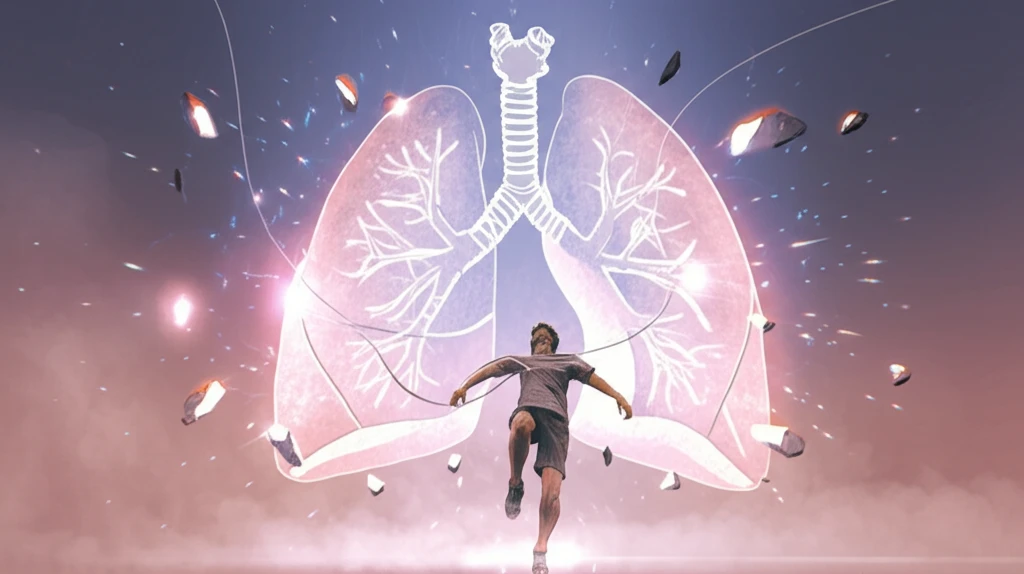
Breathe Easier, Perform Better: How Inspiratory Muscle Training Can Supercharge Your Workouts

"Unlock your athletic potential with inspiratory muscle training (IMT). Learn how this simple technique enhances respiratory strength, boosts endurance, and transforms your fitness regime."
In the quest for peak physical performance, athletes and fitness enthusiasts are constantly seeking innovative methods to enhance their capabilities. While traditional training regimens focus on building strength and endurance in skeletal muscles, the often-overlooked respiratory muscles play a crucial role in overall performance. Inspiratory Muscle Training (IMT) has emerged as a promising strategy to improve respiratory strength and endurance, leading to enhanced athletic performance across various sports and activities.
The respiratory system's primary function is to maintain alveolar ventilation, which is essential for meeting the body's metabolic demands. During high-intensity exercises, the respiratory muscles can experience fatigue due to increased workload and dyspnea, which can compromise overall performance. This fatigue can trigger a metaboreflex mechanism, redirecting blood flow to the respiratory muscles at the expense of peripheral musculature, ultimately limiting physical capacity.
Inspiratory muscle training (IMT) offers a targeted approach to combat respiratory muscle fatigue and improve athletic performance. By strengthening the inspiratory muscles, IMT aims to minimize respiratory fatigue, enhance ventilatory efficiency, and optimize oxygen uptake, leading to improved endurance and overall athletic performance. This article explores the benefits of IMT, its application in sports, and how it can be integrated into training programs to maximize athletic potential.
The Growing Evidence for IMT
Inspiratory muscle training (IMT) has demonstrated effectiveness in improving inspiratory muscle strength and reducing dyspnoea in chronic diseases such as Parkinson's disease. Furthermore, anecdotal evidence from a 30-day IMST challenge suggests potential impacts on blood pressure. Studies also indicate IMT can be beneficial in post-surgical recovery, such as after coronary artery bypass grafting.
Traditional IMT Methods and Their Constraints
The standard approach to inspiratory muscle training involves using devices that add resistance during inhalation, targeting inspiratory muscle strength and endurance. However, a one-size-fits-all approach may not be optimal, as training needs to be tailored to individual characteristics. The effectiveness of IMT can vary based on the specific protocol and population studied.
Early Research and Conceptual Foundations
Early research in the 2010s explored the effects of inspiratory muscle fatigue on athletic performance, such as in swimmers. The concept of Inspiratory Muscle Strength Training (IMST) emerged as a time-efficient method, designed to take only five minutes daily. Studies also examined the influence of inspiratory muscle work history on fatigue development.
The Science Behind Inspiratory Muscle Training
Inspiratory muscle training (IMT) involves specific exercises designed to strengthen the muscles responsible for inhalation, primarily the diaphragm and intercostal muscles. This training typically involves using a handheld device that provides resistance during inhalation, challenging the muscles to work harder and improve their strength and endurance. By increasing the strength and efficiency of these muscles, IMT can enhance the overall function of the respiratory system.
- Increased Respiratory Muscle Strength: IMT strengthens the diaphragm and intercostal muscles, making breathing easier and more efficient.
- Improved Endurance: Stronger respiratory muscles delay fatigue, allowing for sustained high-intensity activity.
- Enhanced Oxygen Uptake: IMT optimizes oxygen uptake, providing more energy to working muscles.
- Reduced Dyspnea: Improved respiratory function minimizes shortness of breath during strenuous exercise.
Contemporary Evidence Across Conditions
Recent reviews highlight the benefits of inspiratory muscle training in various conditions. For instance, IMT has shown improvements in inspiratory muscle strength and respiratory efficiency in interstitial lung disease. In heart failure, a growing body of literature reports favorable effects on exercise capacity and quality of life. Additionally, systematic reviews indicate IMT improves respiratory muscle strength and functional capacity in chronic kidney disease.
Skepticism and Methodological Challenges
Despite promising findings, some research questions the efficacy of certain IMT protocols. For example, low-intensity inspiratory muscle training may not confer significant benefits compared to moderate intensity. Additionally, the field requires clarification on what truly works versus myths in respiratory muscle training.
Device Comparisons and Personal Experiences
When comparing inspiratory muscle trainers, the O2Trainer is claimed to outperform PowerBreathe across various metrics. Personal experiences with IMST, such as a 30-day challenge, provide anecdotal insights into device usability and effects. These comparisons highlight the importance of device selection in training outcomes.
Incorporate IMT into Your Training Routine
In conclusion, inspiratory muscle training offers a promising strategy to enhance respiratory muscle strength, improve endurance, and boost athletic performance across various sports and activities. By incorporating IMT into your training routine, you can unlock your full athletic potential and achieve new levels of fitness. Whether you're an elite athlete or a fitness enthusiast, IMT can provide a competitive edge by optimizing your respiratory function and maximizing your overall physical capacity. Consider consulting with a fitness professional or respiratory therapist to determine the most appropriate IMT protocol for your individual needs and goals.
Integrated Insights from Recent Reviews
Expert commentary suggests that while IMT may not directly reduce obstructive sleep apnea severity, it significantly improves sleep quality and reduces daytime sleepiness. Furthermore, in obese individuals with OSA, IMT can serve as an adjuvant therapy, especially for those with low CPAP adherence. Additionally, reviews indicate IMT can lower both systolic and diastolic blood pressure.
Emerging Trends and Market Predictions
Looking ahead, research trends in inspiratory muscle training are evolving, with increasing focus on digitalization and innovation. Visualization analysis of literature highlights emerging hotspots and future directions. Additionally, the market for IMT devices is expected to grow globally, driven by technological advancements.
Systemic Effects and Research Limitations
Beyond individual benefits, daily inspiratory muscle training may impact systemic vascular resistance and cardiac output. However, challenges such as limited sample sizes and underrepresentation of severe cases in studies warrant cautious interpretation. Additionally, research on IMT's effect on VO2 max continues to explore its ergogenic potential.
Patient Outcomes and Clinical Applications
Real-world applications of inspiratory muscle training demonstrate its impact on patient outcomes. For instance, IMT combined with pursed lip technique has been studied in women with COPD. Benefits have also been observed in myotonic dystrophy, where IMT improves respiratory function. Moreover, in ventilator-dependent patients, IMT may enhance weaning parameters.