
Hip Strength Decoded: How to Assess and Improve Your Athletic Performance

"Unlock your athletic potential: A comprehensive guide to hip strength assessment, exercises, and injury prevention, tailored for athletes and active individuals."
The hips are the powerhouse of athletic movement. From sprinting to swimming, jumping to jiving, nearly every dynamic action relies on robust and balanced hip strength. Weak or imbalanced hip muscles can lead to decreased performance and a higher risk of injuries. It's not just about power; it's about control, stability, and efficient movement patterns.
For years, coaches and therapists have sought reliable ways to measure and improve hip strength. Traditional methods, while useful, often have limitations. For example, simple manual muscle testing can be subjective, while sophisticated lab equipment is neither practical nor accessible for on-the-field assessments. This is why the development of new, portable, and accurate assessment tools is critical.
This article delves into the world of hip strength, exploring various assessment methods and practical strategies to enhance your athletic performance and safeguard against injury. Whether you're an elite athlete, a weekend warrior, or simply someone looking to improve their physical well-being, understanding your hip strength is the first step towards achieving your goals.
Why Hip Strength Matters
Hip strength is commonly viewed as an important component of movement, stability, and athletic performance. Its effects can vary by sport, training status, movement demands, and individual health. Because no statistics were provided for this subsection, the broader impact should be interpreted cautiously rather than reduced to a single figure.
Hip Structure and Assessment
The hip joint combines substantial mobility with the ability to support the weight of the body, arms, and head. Modern anatomical references commonly describe 17 muscles that move the hip, although some anatomists include additional muscles. Standard discussions of hip assessment therefore need to account for both joint structure and the many muscles involved, while clinical resources also emphasize that symptoms such as hip pain can have multiple causes and treatments.
Anatomical Foundations
The historical understanding of hip function has developed through the study of anatomy, movement, and joint structure. Foundational descriptions distinguish the hip as a joint that must balance mobility with load-bearing capacity. The available material does not identify specific historical milestones or discoveries, so broader claims about the field's development would be speculative.
Why Hip Strength Matters: Unveiling the Connection Between Hip Power and Athletic Success
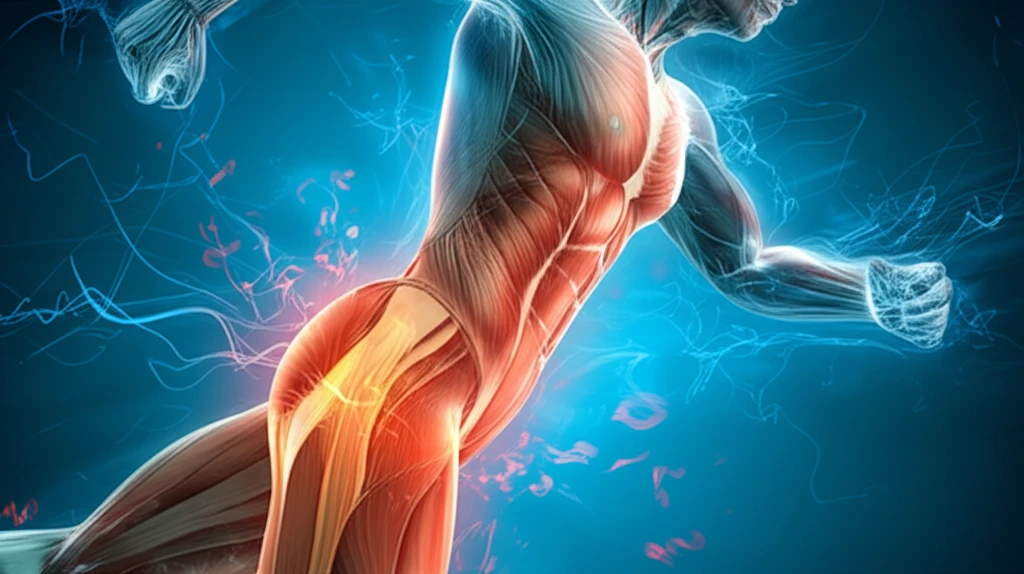
Strong hips are fundamental to generating power in activities like running, jumping, and kicking. The glutes, in particular, are responsible for hip extension, a primary movement in these actions. When these muscles are weak, other muscle groups compensate, leading to inefficiency and potential strain. For instance, weak glutes can cause the hamstrings to overwork, increasing the risk of hamstring strains.
- Increased Power Output: Generate more force in your movements.
- Enhanced Stability: Maintain control and balance during dynamic actions.
- Injury Prevention: Reduce the risk of lower limb injuries.
- Improved Efficiency: Move more effectively and conserve energy.
- Better Posture: Support a healthy and aligned posture.
Current Evidence
Current evaluation of hip strength may draw on anatomical knowledge, clinical examination, and performance-focused testing. However, no research studies or review articles were supplied for this subsection. Specific claims about recent findings, consensus, or emerging measurement techniques therefore cannot be established from the available material.
A Source Mismatch
The listed HiP source concerns high-pressure valves, fittings, and tubing rather than hip strength, athletic performance, or clinical assessment. It reports that HiP has focused on these high-pressure products for more than 70 years, emphasizing quality standards, short lead times, and pricing. Consequently, this source provides no evidence for arguments about the effectiveness or limitations of hip-strength methods.
Comparing Approaches
Comparisons of hip-strength assessment methods require evidence about what each method measures, how reliably it does so, and how well results relate to athletic performance. No comparative studies or method-specific sources were provided here. It is therefore not possible to identify a supported winner or establish meaningful differences among approaches from the available material.
Empowering Your Performance Through Hip Strength
Optimizing hip strength is an investment in athletic longevity and performance. By understanding the importance of hip muscles, utilizing reliable assessment tools, and implementing targeted training strategies, you can unlock your full athletic potential and minimize the risk of injuries. Whether you're a seasoned athlete or just starting your fitness journey, prioritizing hip strength is a game-changer.
Putting Hip Strength in Context
Hip strength is best considered within the broader context of joint mobility, load-bearing function, muscle coordination, and individual symptoms. A useful interpretation should avoid treating one test or one symptom as a complete description of hip function. The available material does not include expert commentary, so this synthesis remains general rather than a substitute for professional evaluation.
Future Directions
Future work may seek more precise ways to connect hip structure and muscle function with athletic movement and performance. Progress could also involve clearer distinctions between strength, mobility, pain, and sport-specific demands. No projections or named emerging technologies were provided, so specific predictions would go beyond the evidence available here.
A Multidimensional Issue
Hip performance is shaped by the interaction of anatomy, movement demands, training, and health conditions. This makes simple, universal recommendations difficult to apply across all athletes and settings. The supplied material does not address systemic barriers, access to care, or broader population-level challenges.
Individual Experience
People can experience hip discomfort and functional limitations in different ways, even when the underlying issue is not immediately clear. Clinical information commonly frames hip concerns around symptoms, possible causes, treatments, and home management, but individual decisions depend on personal circumstances. No firsthand accounts or outcome data were provided, so the real-world impact cannot be quantified here.