Mystum Climate & Environment Category Page List All Articles

Climate & Environment

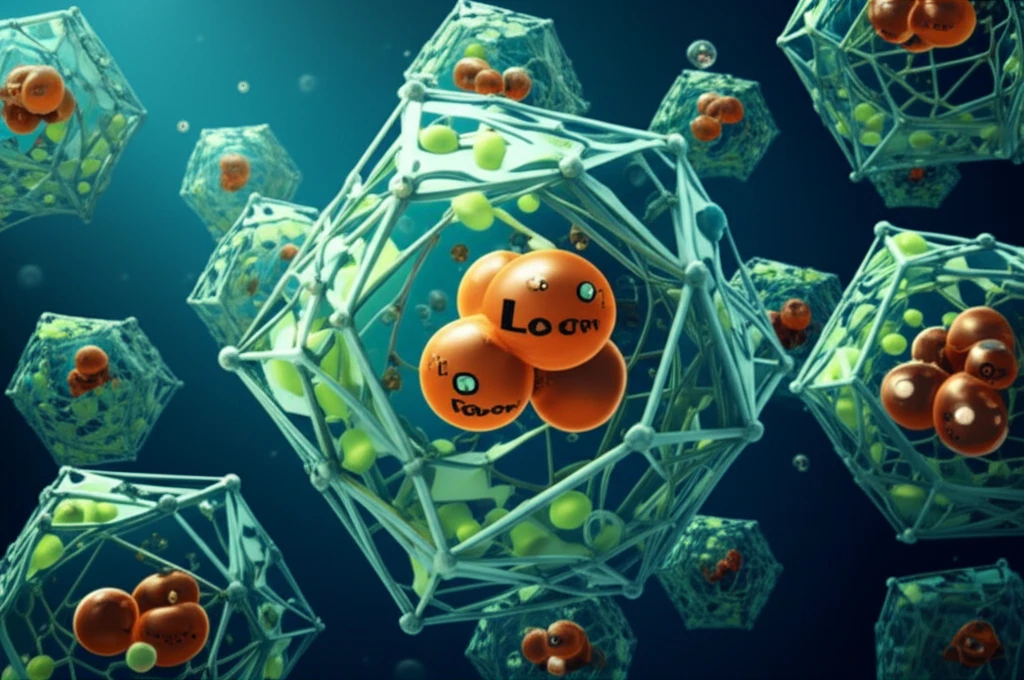
Microscopic view of zeolites purifying lead-contaminated water.

Lead Gone: How Eco-Friendly Zeolites Can Purify Your Water

Concerned about lead in your water? This article explores the innovative use of modified zeolites, derived from materials like shale clay and barley husk, to effectively and sustainably remove lead from aqueous solutions. Learn how this eco-friendly approach offers a promising solution for cleaner, safer water.
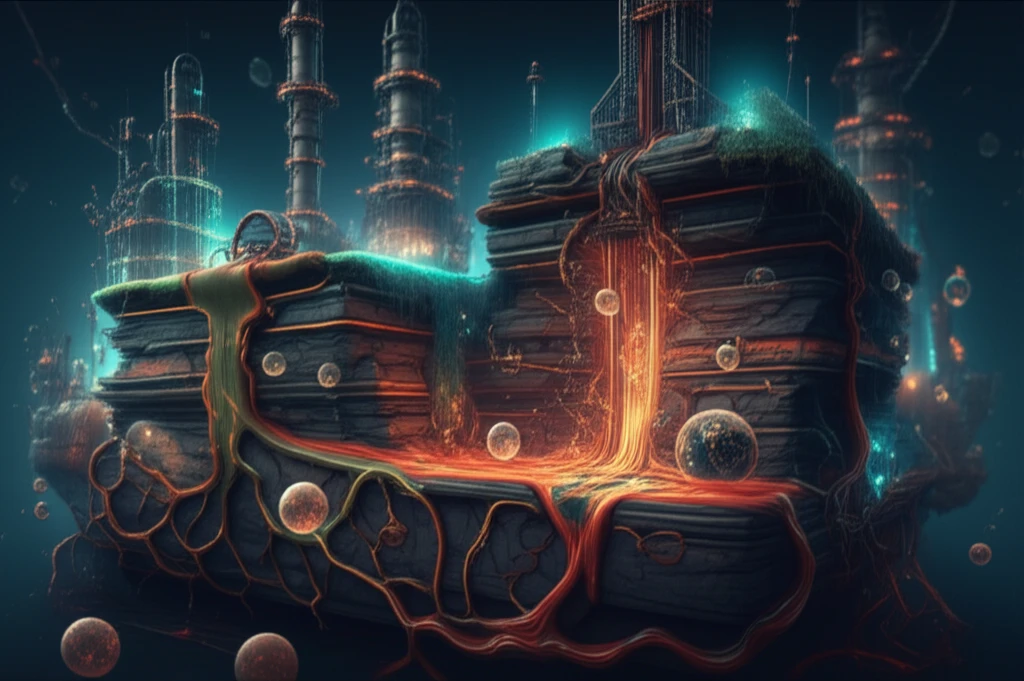
Cross-section of rock formation with drilling mud and CO2 bubbles

Well Integrity Under Pressure: How CO2 Reactions Impact Mud-Affected Rocks

Explore the hidden risks of CO2 leakage in carbon storage and how drilling fluids affect the reactivity of rocks and cement in wells. Learn how these changes impact well integrity and long-term storage safety.

Microscopic view of shale rock with natural gas trapped in nano-pores.

Unlocking Shale Gas: How Tiny Pores Hold the Key to Energy

Explore the microscopic world of shale gas reservoirs! This article reveals how the size and shape of nanoscale pores impact shale gas storage and extraction, influencing future energy strategies.

Interconnected turbines in a combined cycle power plant, symbolizing sustainable energy for a vibrant city.

Powering the Future: How Combined Cycle Configurations are Revolutionizing Energy Production

Explore the groundbreaking research evaluating different combined cycle configurations, highlighting the roles of simple gas turbines, steam turbines, and ammonia water turbines in shaping a more efficient and sustainable energy landscape.

Fish swimming through vegetable gardens, representing sustainable fish feed.

Sustainable Fish Feed: Can Vegetable-Based Diets Replace Fish Meal?

Discover how innovative extrusion techniques are paving the way for vegetable-based fish feeds, offering a sustainable solution to aquaculture while maintaining optimal fish growth and nutrition. Dive into the science and explore the future of fish farming.

Microbial fuel cell converting cheese whey into electricity.

Whey to Go: Turning Dairy Waste into Power with Microbial Fuel Cells

Discover how cheese whey, a high-strength dairy effluent, can be transformed from an environmental burden into a valuable resource using microbial fuel cells (MFCs). Learn about this dual approach to energy recovery and waste remediation.

Bacteria consuming plastic waste.

Plastic-Eating Bacteria: Are They a Solution to PVC Pollution?

A newly discovered strain of bacteria shows promise in breaking down PVC, one of the most persistent and problematic plastics. Could this be a step towards a future with less plastic pollution?

Drone spraying herbicide over a lush bean field.

Bean There, Done That: Optimizing Herbicide Use for Bountiful Bean Harvests

Discover the optimal strategies for herbicide application in bean cultivation, ensuring effective weed control while minimizing residual effects on subsequent crops and maintaining soil health. This guide dives into research-backed insights for sustainable bean production.

Thriving algae in a nutrient-rich medium, symbolizing sustainable biofuel.

Unlock Algae's Potential: How to Boost Biomass and Lipid Production for Sustainable Biofuel

Learn how manipulating the nutrient composition of microalgal growth media can significantly enhance biomass yield and lipid content in Micractinium pusillum, paving the way for more efficient and sustainable biofuel production.

Microscopic nanofiber strands protect fresh produce with vibrant microalgae in the background.

Edible Innovation: How Microalgae Nanofibers are Revolutionizing Food Packaging

Explore how scientists are harnessing the power of microalgae to create eco-friendly, antibacterial nanofibers that could transform the future of food packaging, enhancing safety and sustainability.

Page 145 of 147

Newsletter Subscribe

Subscribe to get the latest articles and insights directly in your inbox.