Mystum Climate & Environment Category Page List All Articles

Climate & Environment

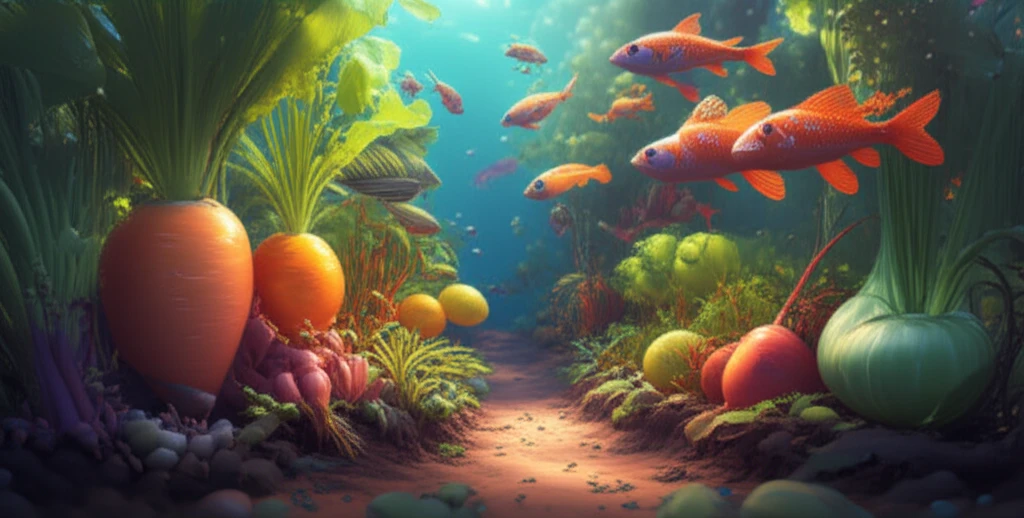
Fish swimming through vegetable gardens, representing sustainable fish feed.

Sustainable Fish Feed: Can Vegetable-Based Diets Replace Fish Meal?

Discover how innovative extrusion techniques are paving the way for vegetable-based fish feeds, offering a sustainable solution to aquaculture while maintaining optimal fish growth and nutrition. Dive into the science and explore the future of fish farming.

Microbial fuel cell converting cheese whey into electricity.

Whey to Go: Turning Dairy Waste into Power with Microbial Fuel Cells

Discover how cheese whey, a high-strength dairy effluent, can be transformed from an environmental burden into a valuable resource using microbial fuel cells (MFCs). Learn about this dual approach to energy recovery and waste remediation.

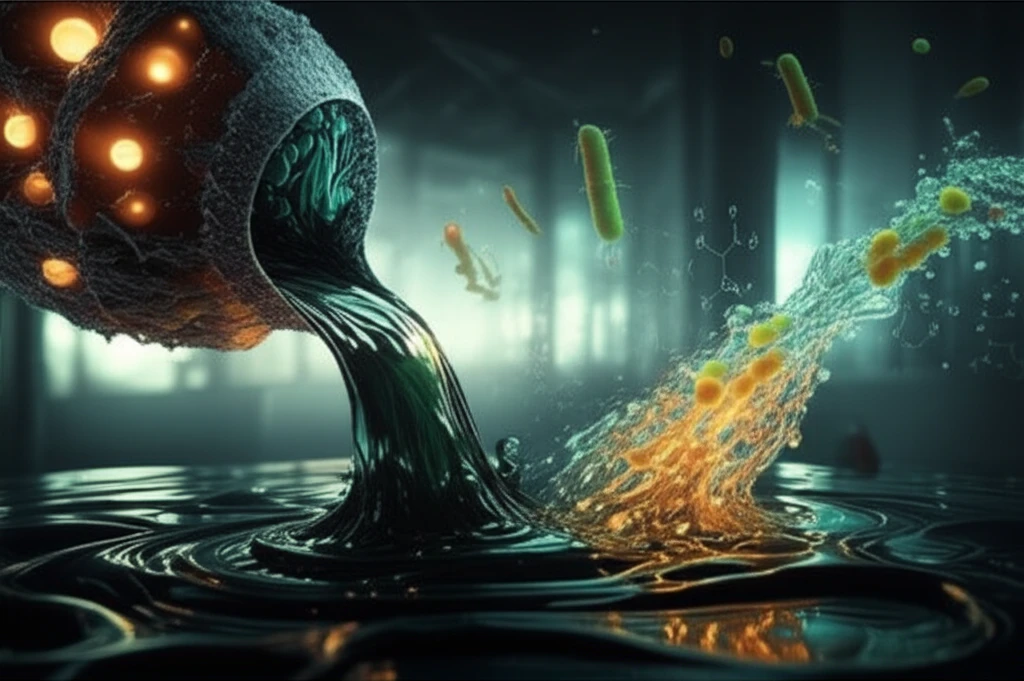
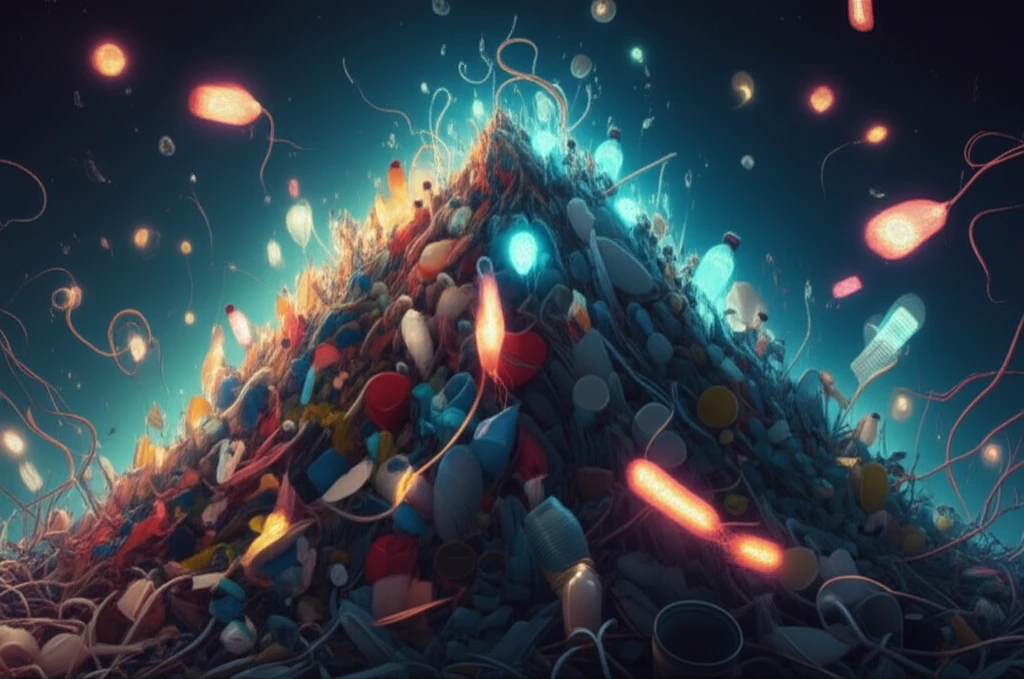
Bacteria consuming plastic waste.

Plastic-Eating Bacteria: Are They a Solution to PVC Pollution?

A newly discovered strain of bacteria shows promise in breaking down PVC, one of the most persistent and problematic plastics. Could this be a step towards a future with less plastic pollution?

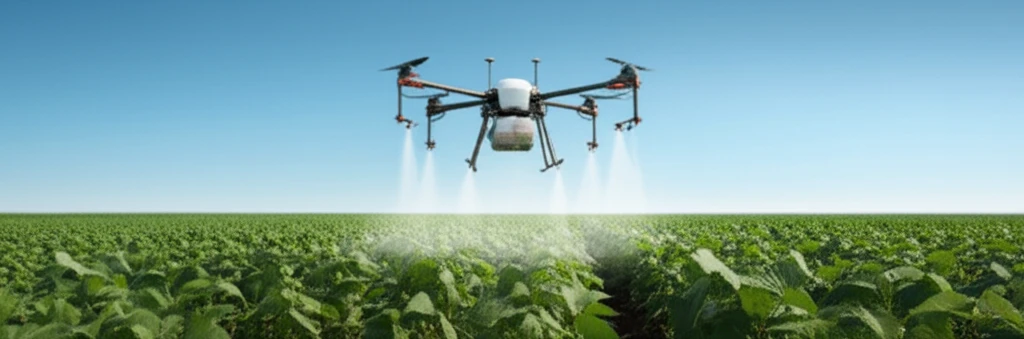
Drone spraying herbicide over a lush bean field.

Bean There, Done That: Optimizing Herbicide Use for Bountiful Bean Harvests

Discover the optimal strategies for herbicide application in bean cultivation, ensuring effective weed control while minimizing residual effects on subsequent crops and maintaining soil health. This guide dives into research-backed insights for sustainable bean production.

Thriving algae in a nutrient-rich medium, symbolizing sustainable biofuel.

Unlock Algae's Potential: How to Boost Biomass and Lipid Production for Sustainable Biofuel

Learn how manipulating the nutrient composition of microalgal growth media can significantly enhance biomass yield and lipid content in Micractinium pusillum, paving the way for more efficient and sustainable biofuel production.

Microscopic nanofiber strands protect fresh produce with vibrant microalgae in the background.

Edible Innovation: How Microalgae Nanofibers are Revolutionizing Food Packaging

Explore how scientists are harnessing the power of microalgae to create eco-friendly, antibacterial nanofibers that could transform the future of food packaging, enhancing safety and sustainability.

Bacterial DNA transforming polluted soil into clean earth

Decoding Soil Secrets: How Bacteria Can Help Clean Up Heavy Metal Pollution

Discover how scientists are harnessing the power of bacteria found in contaminated soils to combat heavy metal pollution, focusing on their ability to reduce toxic chromate.

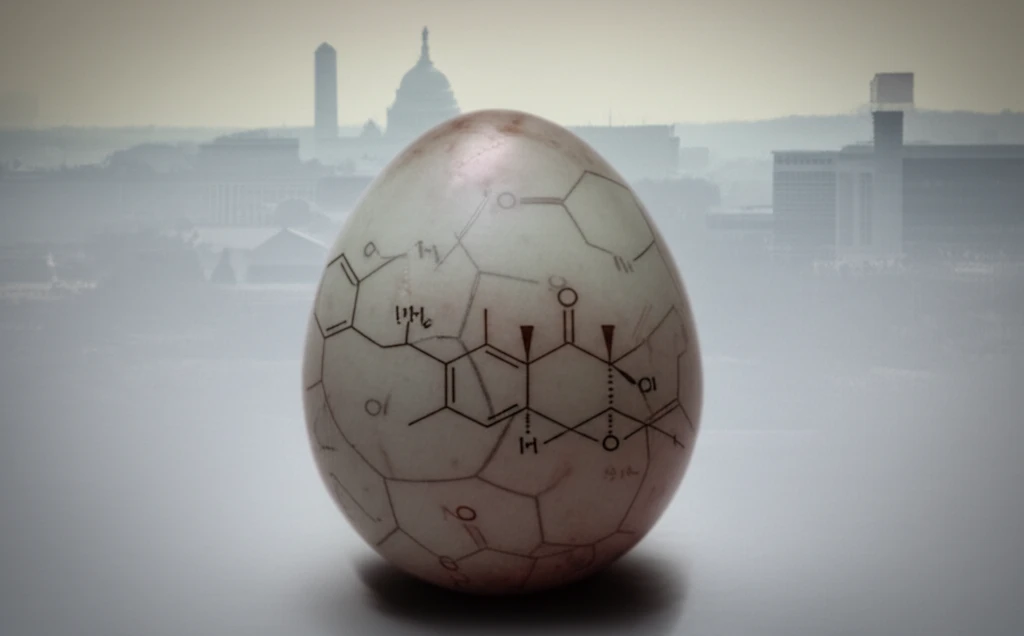
Surreal illustration of a Northern Cardinal egg showing environmental contamination.

Cardinal Correction: Ensuring Accuracy in Environmental Research

Explore the importance of accuracy in scientific research with a correction to a study on organochlorine residues in Northern Cardinal eggs. Discover how even minor errors can impact the interpretation of environmental contamination data and what this means for wildlife conservation.

Clostridium bifermentans bacteria transforming waste glycerol into valuable 1,3-propanediol chemicals.

Unlocking Green Chemicals: Can Bacteria Turn Waste into Valuable Bio-products?

Explore the innovative research into Clostridium bacteria's ability to transform waste materials into valuable bio-products, offering a sustainable path towards green chemical production and reduced environmental impact.

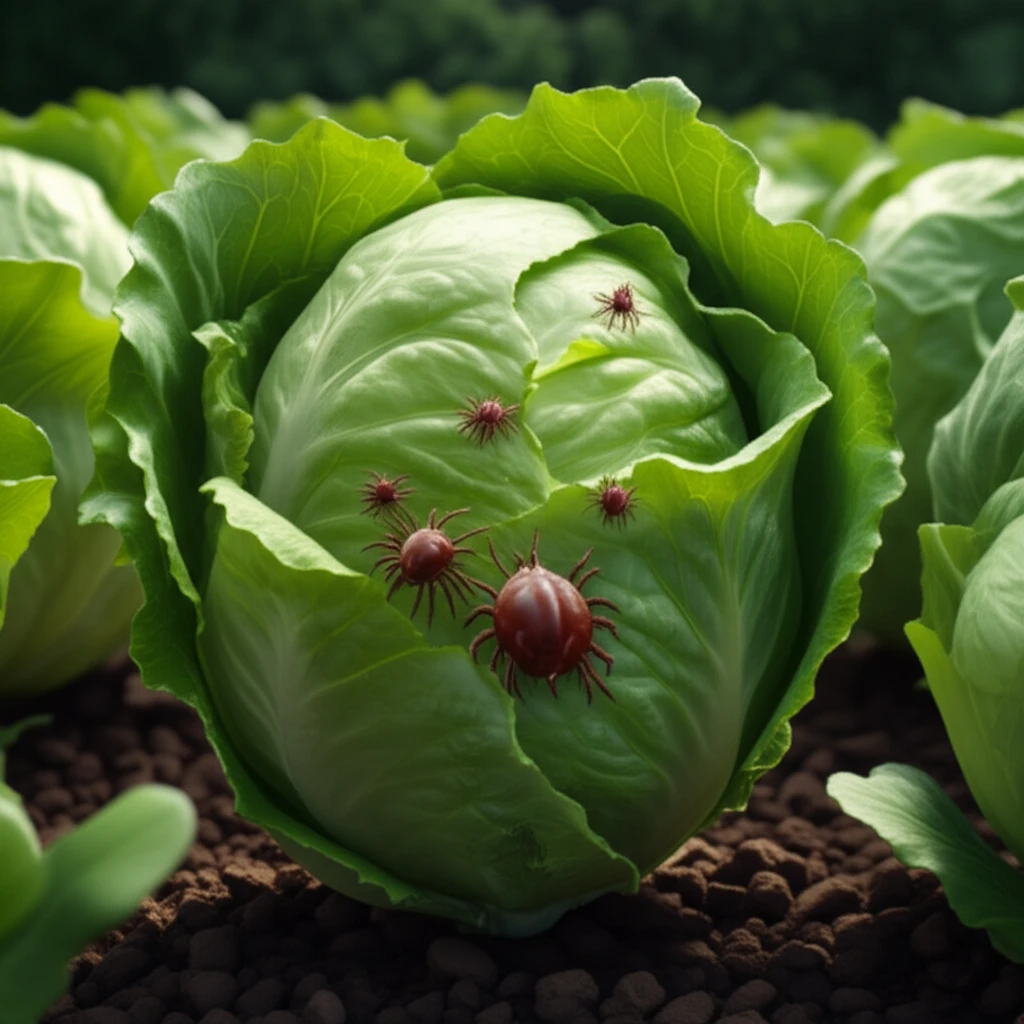
Lettuce shield protecting garden from spider mites.

Lettuce Power: Natural Mite Control in Your Garden?

Could the solution to spider mite infestations be as close as your vegetable garden? Research explores the potential of lettuce extracts, offering a natural alternative to chemical pesticides.

Newsletter Subscribe

Subscribe to get the latest articles and insights directly in your inbox.