Mystum Climate & Environment Category Page List All Articles

Climate & Environment

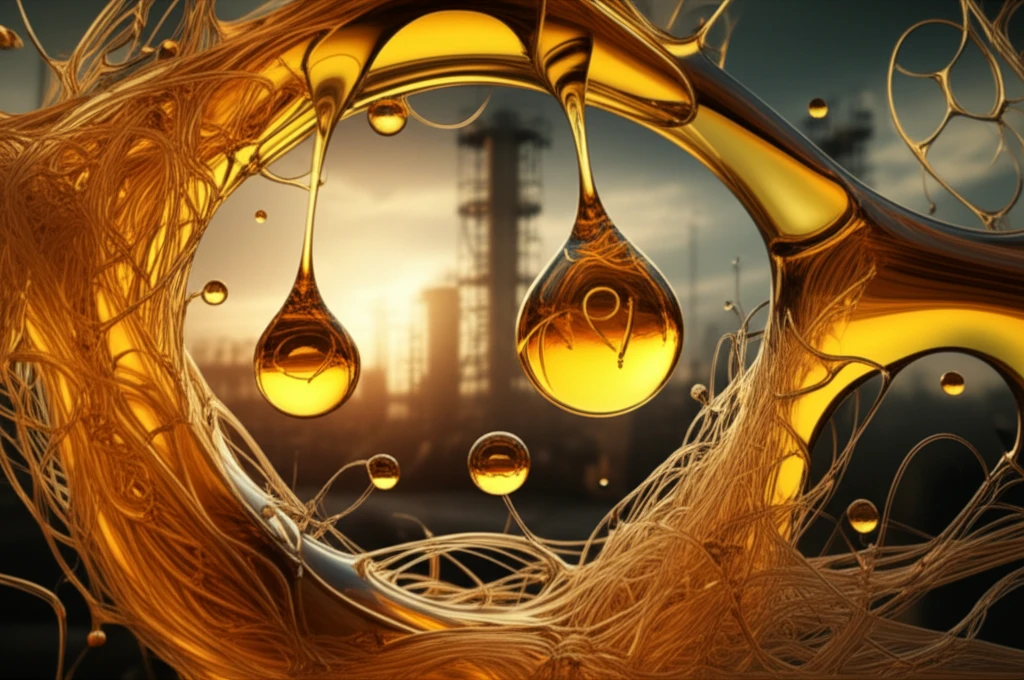
Surreal illustration of oil droplets and plant fibers representing hidden value in palm oil waste.

Unlocking Hidden Value: How to Recover Residual Oil from Palm Oil Waste

Palm oil production generates a significant amount of wastewater called POME. This article explores the potential for recovering residual oil from POME, turning waste into a valuable resource and addressing environmental concerns.
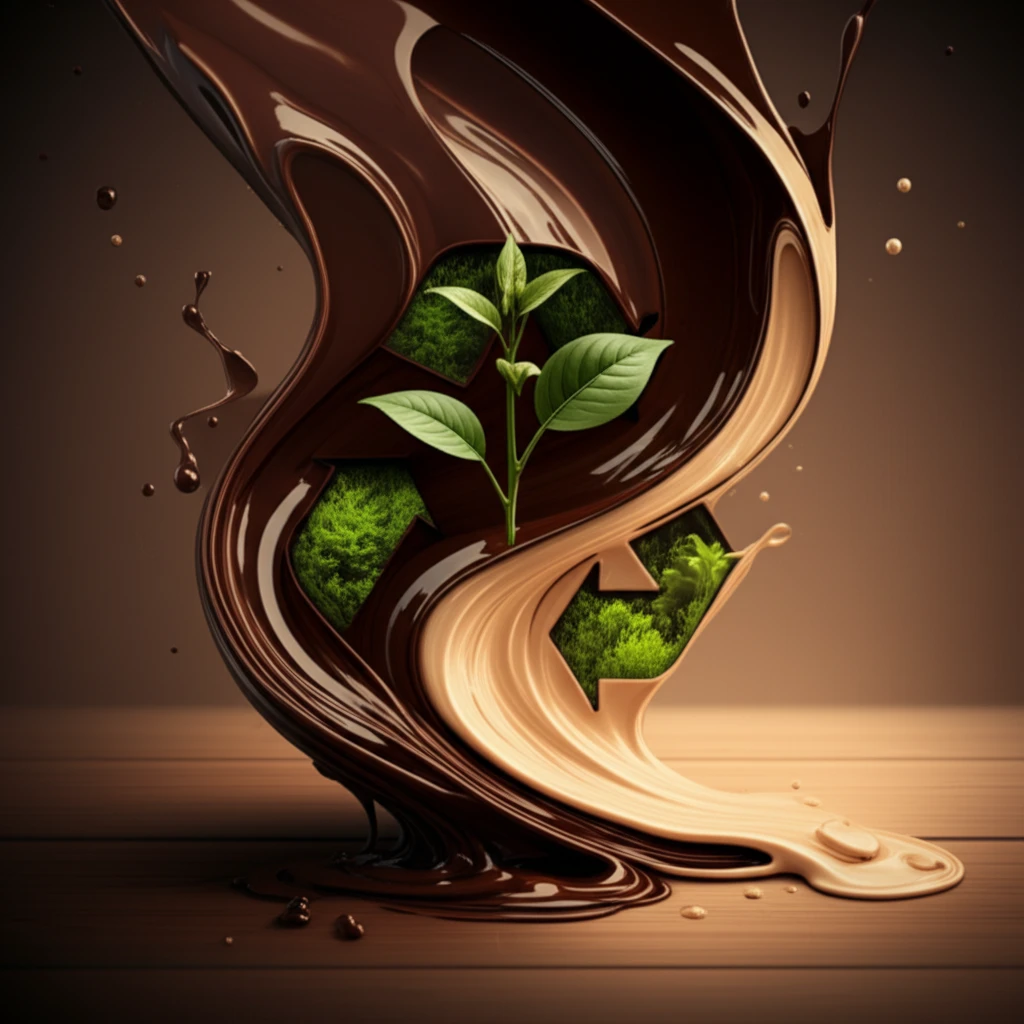

Sustainable wood coating transforming from dark liquid to light wood finish

Sustainable Wood Coatings: Turning Waste into Durable Finishes

Discover how researchers are creating eco-friendly polyurethane wood coatings from bleached liquefied wood, offering a sustainable alternative to traditional oil-derived products with comparable or improved durability and aesthetic appeal.

Surreal illustration of Indigenous art and a landscape depicting a pristine water source and a community struggling with water scarcity.

Water Wisdom: Why Indigenous Knowledge is Key to Canada's Water Security

Discover how integrating Indigenous knowledge with Western science can create effective, sustainable solutions for water security challenges in Canadian Indigenous communities.

A surreal illustration contrasting polluted and clean river environments, symbolizing effective water quality monitoring.

Unseen River Pollutants: How Passive Sampling Reveals Hidden Dangers

Discover how innovative passive sampling techniques are revolutionizing the monitoring of harmful pollutants in our rivers and canals, leading to better environmental management and public health outcomes.

Papaya fruit protected by cinnamon shield

Papaya Savior: How Cinnamon Oil Fights Fruit Disease

Discover how cinnamon essential oil can revolutionize papaya farming, offering a natural defense against devastating fungal diseases and ensuring healthier, bountiful harvests.

Mercury flowing through ecosystem

Mercury's Journey: Unveiling How Toxins Accumulate in Upland Ecosystems

This article explores how methylmercury, a potent neurotoxin, accumulates in small mammals and invertebrates within an upland forest-peatland ecosystem. Learn about the potential health risks and ecological implications of mercury contamination in terrestrial environments.

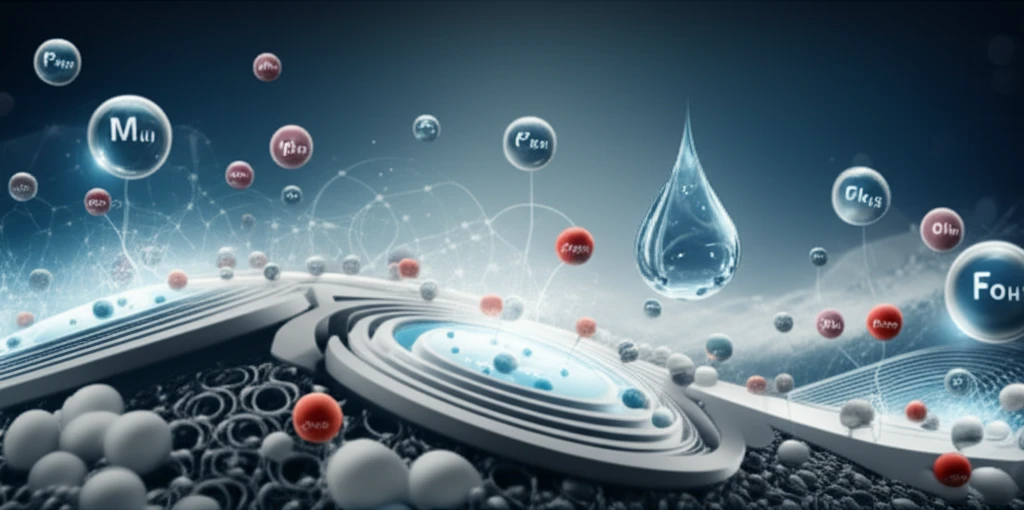
Microscopic view of ions interacting with an electrode surface during electrochemical dilatometry.

Phosphate Removal: How New Tech Can Help Clean Up Our Water

Discover how cutting-edge electrochemical dilatometry is providing valuable insights into the removal of phosphate from water, paving the way for more effective and sustainable water treatment solutions.

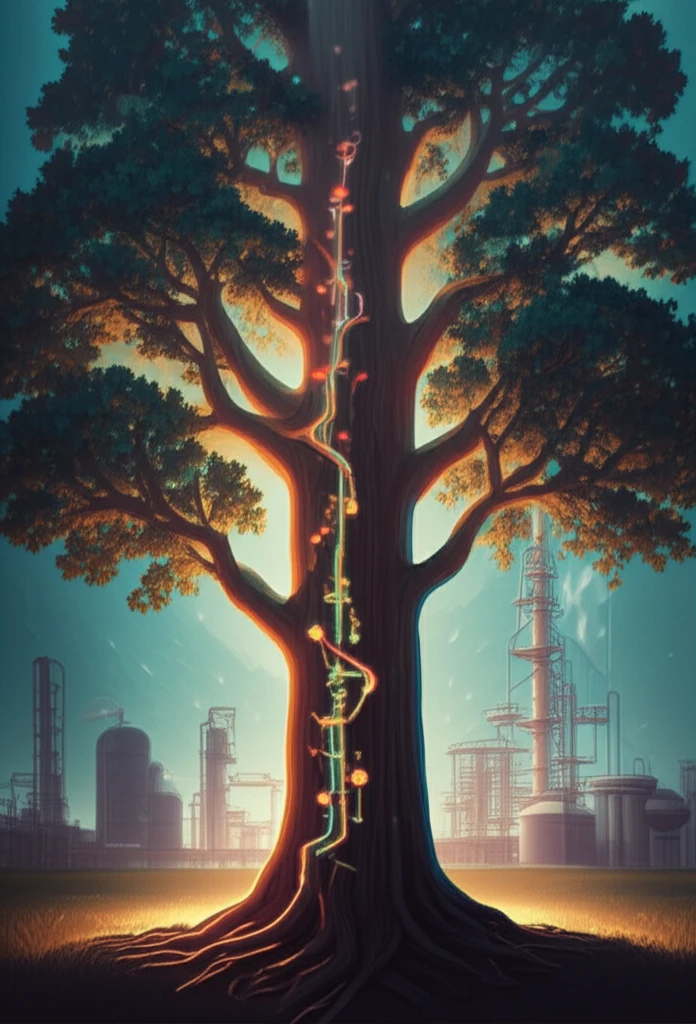
Poplar tree with glowing pathways symbolizes genetic engineering for biofuel future.

Decoding Lignin: How Genetic Tweaks in Poplar Trees Could Revolutionize Biofuel

Scientists are exploring genetic engineering to improve biofuel production, focusing on lignin, a key component of plant cell walls. Discover how altering lignin in poplar trees can significantly enhance sugar release and improve biofuel potential.

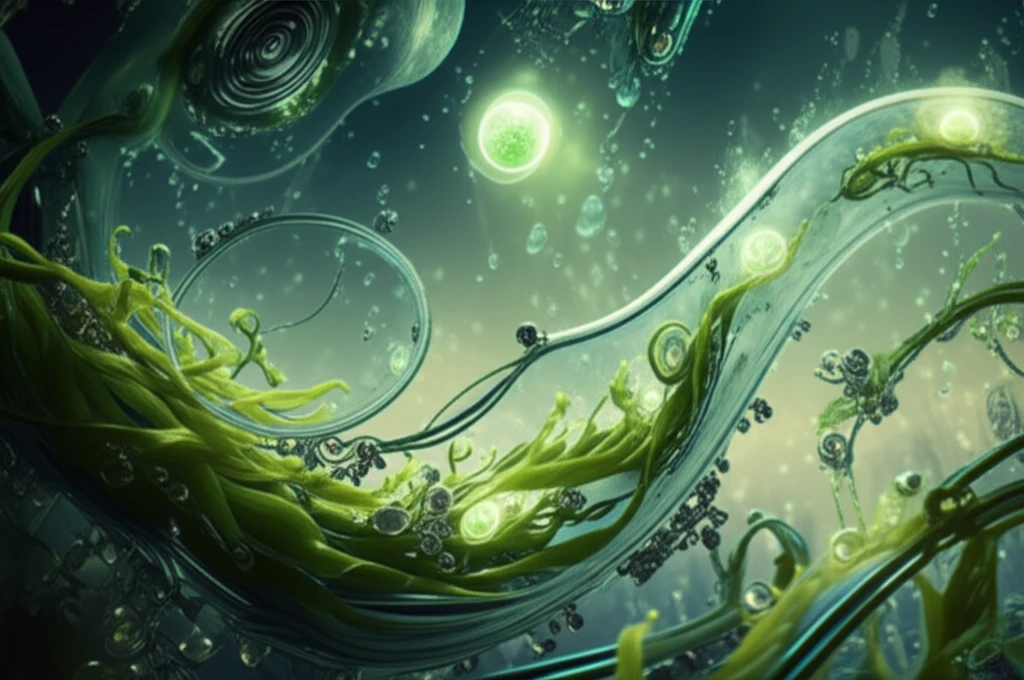
Algae being transformed into hydrogen

Algae Power: The Hydrogen Fuel of the Future?

Is algae the answer to our energy woes? Explore the innovative integrated gasification and chemical looping system that's unlocking algae's potential as a high-efficiency hydrogen fuel source.

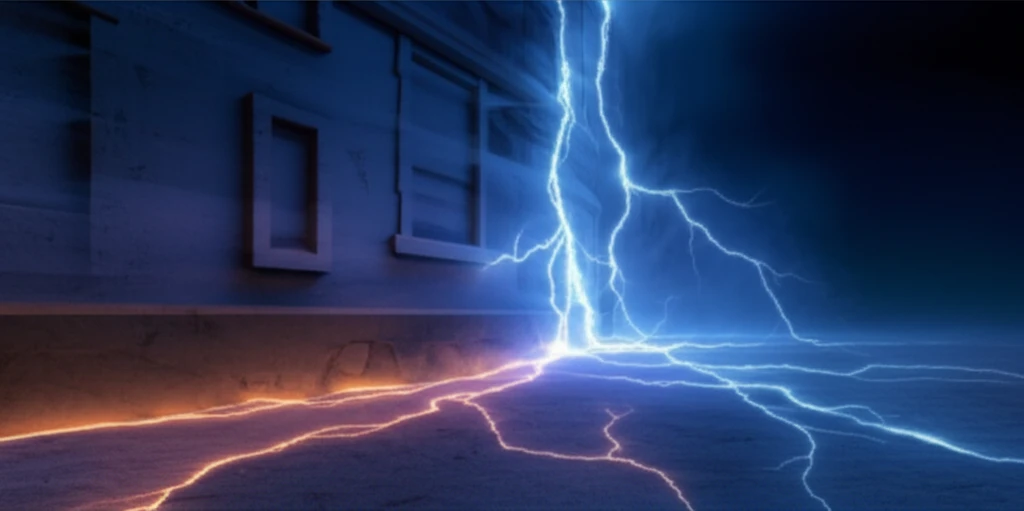
Electrical currents damaging building foundations near a water well.

Hidden Risks Beneath Our Feet: How Water Wells Can Damage Nearby Buildings

Deep water wells, seemingly benign, can create electrical imbalances that damage nearby structures. Learn about this hidden threat and how to safeguard your buildings.

Page 144 of 147

Newsletter Subscribe

Subscribe to get the latest articles and insights directly in your inbox.