

Decoding Economic Uncertainty: How to Navigate Set-Identified Affine Models
Demystifying complex economic models with practical insights for everyone. Learn about subvector inference, affine models, and how they impact your financial decisions.
Demystifying complex economic models with practical insights for everyone. Learn about subvector inference, affine models, and how they impact your financial decisions.

A fascinating look at how technological advancements and labor reforms in Japan's coal mining industry led to unexpected shifts in regional demographics, family structures, and early childhood health.

Learn how to identify structural breaks in regression models, a key skill for anyone analyzing financial data and making informed economic predictions.

Learn how the Difference-in-Differences (DID) method helps economists and decision-makers estimate the true impact of continuous treatments like taxes and prices, offering a clearer understanding of economic trends and policy effects.
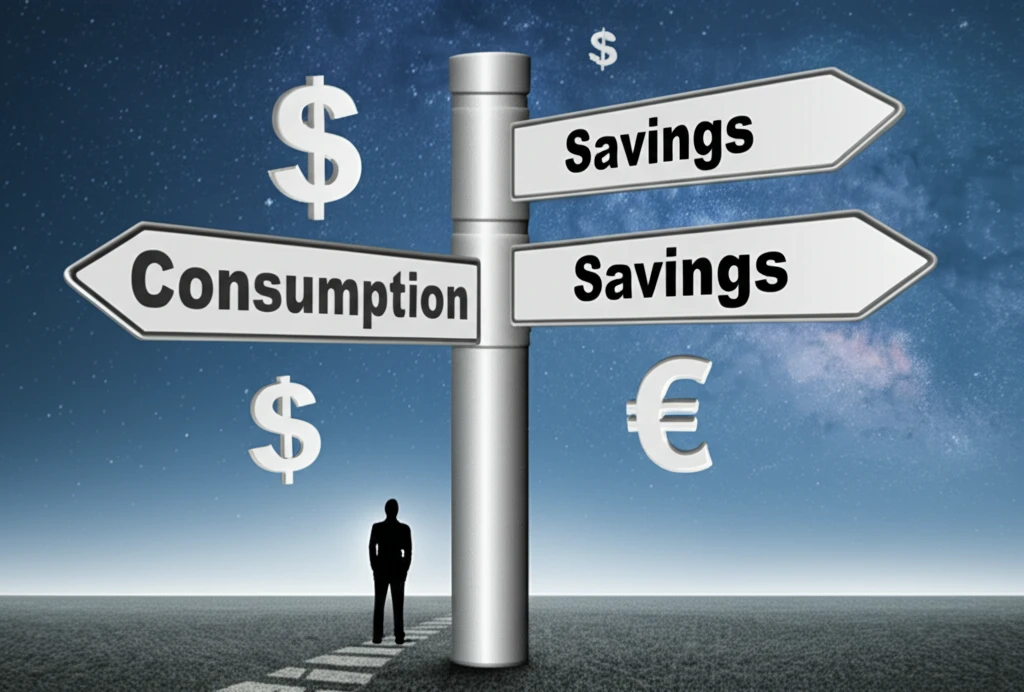
Discover how the Elasticity of Intertemporal Substitution (EIS) can help you make smarter financial decisions, adapt to economic changes, and secure your future. Learn practical strategies to optimize your savings and spending habits.

Dive into the world of economic modeling and discover how sensitivity analysis can revolutionize your approach to uncertainty. Learn to build robust strategies, protect against unforeseen risks, and make confident decisions, ensuring your economic models stand the test of changing conditions.

Uncover how a pioneering study uses network science to map the intricate relationships between countries during the pandemic, revealing surprising insights into economic resilience and policy effectiveness.

Explore how forum shopping in bankruptcy cases affects local legal jobs and community welfare, revealing significant economic shifts.

Explore how black-box Bayesian inference is revolutionizing economic agent-based models, making them more accessible and efficient for real-world applications. Discover the groundbreaking methods that could reshape economic forecasting and decision-making.

This guide simplifies the use of Difference-in-Differences (DID) analysis with time-varying covariates. Learn how to identify causal effects accurately, implement robust empirical strategies, and avoid misleading results in your research. Discover practical solutions for handling treatment effect heterogeneity and covariate dependencies.
Page 126 of 247