
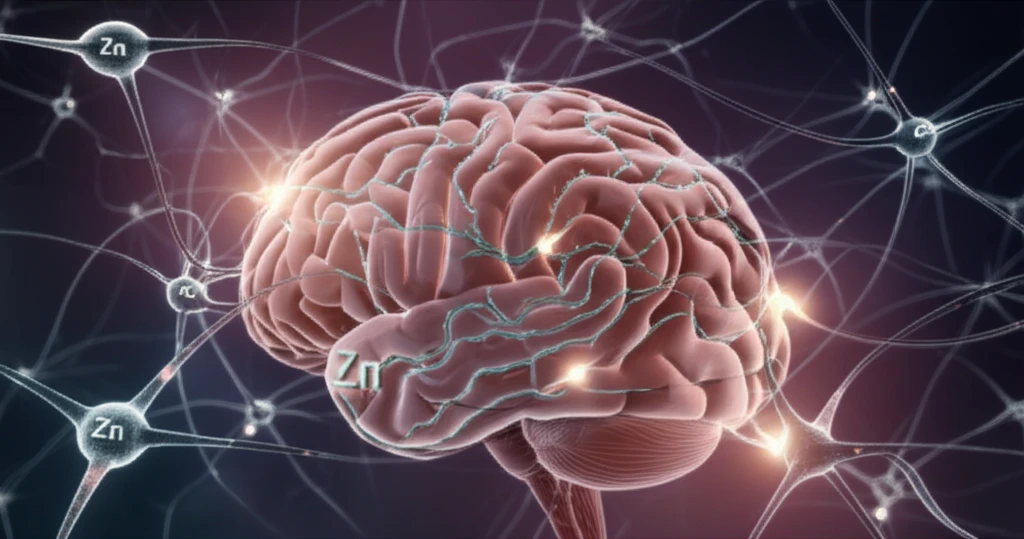
Interconnected neurons firing in a brain, with subtle zinc symbols

Zinc and Epilepsy: Unlocking the Connection for Better Brain Health

"Can zinc supplements reduce seizures and improve neurological health in epilepsy patients? A look at the latest research and what it means for you."


Epilepsy, a neurological disorder characterized by recurrent seizures, affects millions worldwide. Managing epilepsy involves various strategies, including medication and lifestyle adjustments. Emerging research highlights the crucial role of micronutrients, particularly zinc, in influencing seizure activity and overall brain health.

The relationship between nutrition and neurological disorders is increasingly recognized. Clinical manifestations of neurological diseases often vary, impacting multiple organ systems. Nutritional status, especially concerning micronutrient deficiencies like zinc, folic acid, and vitamins B6, B12, D, E, and C, can be altered due to disease symptoms, energy expenditure changes, reduced intake, gastrointestinal issues, and bone mass dysfunction.

A recent correspondence in 'Neurosciences' journal, sparked by a study by Talat et al., delves into the serum levels of zinc and copper in epileptic children undergoing long-term anticonvulsant therapy. This article explores the debate around zinc supplementation in epilepsy, examining its potential benefits and risks, and offering practical insights for those affected by this condition.

Why is Zinc Important for Brain Health in Epilepsy?

Interconnected neurons firing in a brain, with subtle zinc symbols

Zinc is an essential micronutrient critical for numerous physiological functions, particularly neuronal signaling and synaptic activity. It plays a vital role in brain development and overall neurological health. Disruptions in zinc homeostasis have been linked to various neurological disorders, including Alzheimer's, Parkinson's, Huntington's disease, mood disorders, and seizure disorders.

A study by Talat et al. found that children with epilepsy on long-term anticonvulsants had significantly lower serum zinc levels compared to healthy children. This finding suggests that anticonvulsant medications may affect zinc levels, potentially exacerbating neurological issues. Consequently, the authors recommended regular monitoring of zinc levels in epileptic patients on long-term therapy, along with zinc supplementation if deficiency is detected.

Here are key points supporting the importance of zinc in epilepsy management:
  • Proconvulsant Activity: Animal studies indicate that zinc treatment can have proconvulsant effects by increasing blood-brain barrier permeability and altering the prooxidant/antioxidant balance.
  • Epileptic Benefits: Despite potential risks, zinc supplementation may offer advantages in epileptic and seizure-prone individuals.
  • Promising Efficacy: Emerging evidence suggests oral zinc supplementation can be effective in children with intractable epilepsy.
  • Reduced Seizure Frequency: A study involving children with idiopathic intractable epilepsy showed that zinc supplementation led to a significant reduction in seizure frequency in 31% of treated children.
Given the devastating social and medical impact of epilepsy, especially in developing countries where patients often face stigmatization and inadequate treatment, incorporating zinc supplements into the treatment regimen could be economically beneficial. It may improve the quality of life for epileptic children, reduce hospital visits, and maintain workforce resources.

The Future of Zinc in Epilepsy Treatment

The role of zinc in epilepsy management is multifaceted and requires careful consideration. While zinc is essential for brain health and neuronal function, its impact on seizure activity is complex and not fully understood. Additional research is needed to determine optimal zinc therapy regimens and their effects on seizure frequency. Large-scale randomized clinical trials are essential to investigate the efficacy of combining oral zinc supplementation with antiepileptic drugs for treating epilepsy in children. These trials should focus on identifying the ideal zinc therapy regimen and its effect on seizure frequency, ultimately improving the lives of those affected by epilepsy.

About this Article -

This article was crafted using a human-AI hybrid and collaborative approach. AI assisted our team with initial drafting, research insights, identifying key questions, and image generation. Our human editors guided topic selection, defined the angle, structured the content, ensured factual accuracy and relevance, refined the tone, and conducted thorough editing to deliver helpful, high-quality information.See our About page for more information.

Everything You Need To Know

1

How does zinc affect brain health, especially in the context of epilepsy?

Zinc is vital for maintaining healthy brain function because it supports neuronal signaling and synaptic activity. Disruptions in zinc homeostasis have been linked to neurological disorders, including seizure disorders. A study by Talat et al. indicated that children with epilepsy on long-term anticonvulsants had significantly lower serum zinc levels. Maintaining adequate zinc levels is important for overall neurological health and may influence seizure activity.

2

Can taking zinc supplements help control seizures in people with epilepsy?

The impact of zinc supplementation on seizure control is complex. While animal studies suggest that zinc treatment can have proconvulsant effects by increasing blood-brain barrier permeability and altering the prooxidant/antioxidant balance, other evidence indicates potential benefits. A study involving children with idiopathic intractable epilepsy showed that zinc supplementation led to a significant reduction in seizure frequency in 31% of treated children. Therefore, the efficacy of zinc supplementation can vary.

3

What are the potential risks associated with zinc supplementation for individuals with epilepsy?

Zinc treatment can have proconvulsant effects by increasing blood-brain barrier permeability and altering the prooxidant/antioxidant balance, potentially worsening seizure activity in some individuals. It’s crucial to carefully consider the potential risks and benefits of zinc supplementation and consult with healthcare professionals to determine the most appropriate course of action.

4

How did anticonvulsant medications affect zinc levels in epileptic children, according to the research?

The study by Talat et al. revealed that epileptic children undergoing long-term anticonvulsant therapy had significantly lower serum zinc levels compared to healthy children. This suggests that anticonvulsant medications may affect zinc levels, potentially exacerbating neurological issues. The authors recommend regular monitoring of zinc levels in epileptic patients on long-term therapy and zinc supplementation if deficiency is detected.

5

Given the challenges in managing epilepsy, particularly in developing countries, how might zinc supplementation offer an economically beneficial approach?

In developing countries, where epilepsy patients often face stigmatization and inadequate treatment, incorporating zinc supplements into treatment regimens could be economically beneficial. Improved zinc levels may lead to a better quality of life for epileptic children, reduce the frequency of hospital visits, and help maintain workforce resources. Further research is needed to fully understand the potential for zinc supplementation to alleviate the social and medical impact of epilepsy in these regions.

Newsletter Subscribe

Subscribe to get the latest articles and insights directly in your inbox.