
Worried About Leaks After Prostate Surgery? What You Need to Know About IPP

"Discover how intravesical prostatic protrusion (IPP) affects urinary continence after robot-assisted prostatectomy and what it means for your recovery."
Over the past decade, robot-assisted laparoscopic radical prostatectomy (RALP) has become a popular option for treating localized prostate cancer. This advanced technique offers surgeons a magnified view and greater precision, especially when working around key anatomical structures. Procedures like bladder neck dissection and nerve-sparing (NS) dissection benefit greatly from this technology.
One factor that can add complexity to RALP is the presence of a median prostatic lobe, which some studies suggest may increase the risk of positive surgical margins. However, a more objective measure called intravesical prostatic protrusion (IPP) has emerged as a predictor of bladder outlet obstruction in individuals with benign prostatic hyperplasia. While IPP's role in RALP hasn't been extensively studied, it may significantly affect urinary continence—a key functional outcome after surgery.
A recent study aimed to explore the relationship between IPP grade and the outcomes of RALP, focusing particularly on how IPP affects the recovery of urinary continence. The results offer valuable insights for both surgeons and patients, helping to better understand and manage expectations after prostate surgery.
What is Intravesical Prostatic Protrusion (IPP) and How Is It Measured?
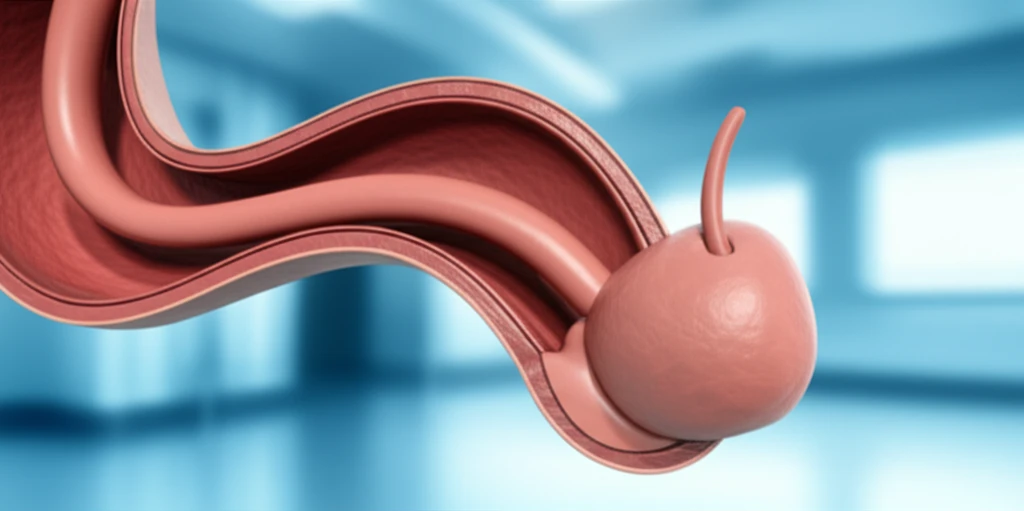
Intravesical Prostatic Protrusion (IPP) refers to how much the prostate protrudes into the bladder. It is measured using transrectal ultrasound (TRUS), where the vertical distance from the tip of the protrusion to the base of the bladder is assessed. This measurement helps doctors determine the degree of obstruction the prostate might be causing.
- Grade 1: IPP ≤ 5 mm
- Grade 2: 5 mm < IPP ≤ 10 mm
- Grade 3: IPP > 10 mm
Making Informed Decisions About Prostate Surgery
If you're exploring RALP as a treatment for prostate cancer, understanding IPP and its potential impact on urinary continence is essential. Discussing your IPP grade with your urologist can provide a clearer picture of your likely recovery and help you make informed decisions about your treatment plan. With the right information and a skilled surgical team, you can approach prostate surgery with greater confidence and realistic expectations.