
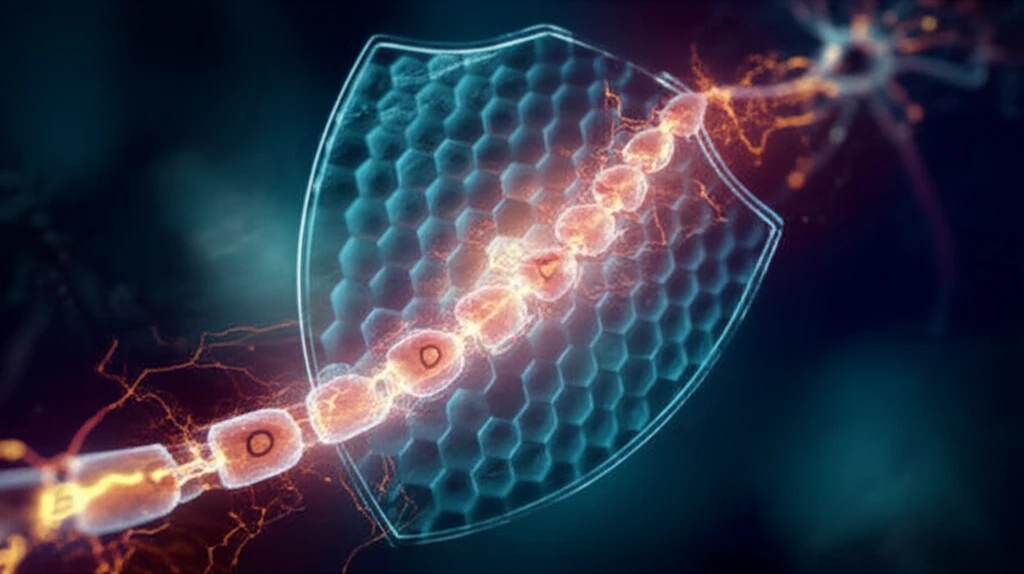
Vitamin B3: The Brain Booster You Need to Know About

"Unlock the neuroprotective powers of nicotinamide riboside and shield your brain from damage."
In the realm of neurodegenerative diseases, where conditions like Alzheimer's and Parkinson's loom large, scientists are constantly seeking ways to protect our brain. Excitingly, a spotlight has been on the remarkable potential of vitamin B3, specifically in the form of nicotinamide riboside (NR), to combat neuronal damage.
Emerging research emphasizes a critical phenomenon called 'excitotoxicity,' which contributes to several neurological disorders. This process involves an overstimulation of nerve cells, leading to damage and, potentially, cell death. Nicotinamide adenine dinucleotide (NAD+), a vital coenzyme involved in numerous cellular processes, has been identified as a key protector against neuronal degeneration during excitotoxicity.
Recent studies highlight NR's pivotal role. This has led researchers to explore the protective effects of both NAD+ and NR against excitotoxicity. The results are encouraging and point towards a future where brain health can be actively preserved and enhanced.
How Nicotinamide Riboside Fights Brain Degeneration
A study published in The FASEB Journal reveals groundbreaking insights into how NR steps in to protect against brain damage. Conducted by Pauline Vaur, Bernard Brugg, and colleagues, the research demonstrated that when NR is administered directly into the brain, it significantly reduces damage caused by the excitotoxic effects of NMDA (N-methyl-D-aspartate), a compound known to induce neuronal overstimulation.
- Superior Protection: NR provides better protection against excitotoxicity-induced AxD than NAD+.
- Targeted Action: NR's effects are more pronounced when directly addressing axonal stress.
- Intracellular Defense: NR helps maintain intracellular NAD+ levels, crucial for axonal health.
Looking Ahead: NR as a Key Player in Brain Health
The research underscores the potential of NR as a neuroprotective agent, superior to NAD+ in combating excitotoxicity-induced axonal degeneration. By defending intracellular NAD+ homeostasis, NR offers a targeted approach to preserving brain health. These findings pave the way for new therapeutic strategies, focusing on NR to mitigate the impact of neurodegenerative diseases and enhance overall brain resilience.