
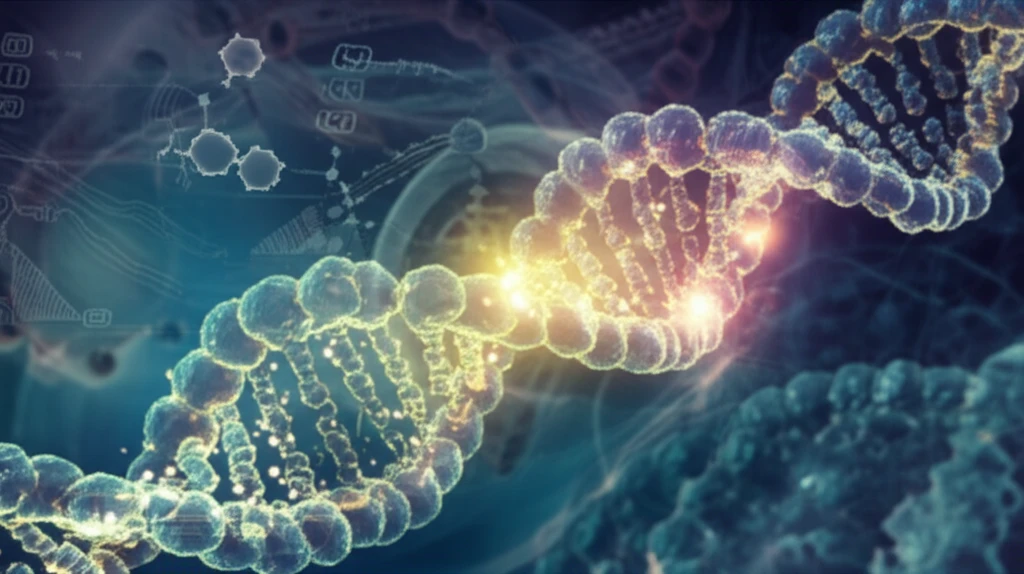
Surreal illustration of a DNA strand with uracil molecules, symbolizing genomic instability and repair processes.

Uracil in DNA: Unlocking the Secrets of Genomic Instability

"Discover how uracil, a non-canonical DNA residue, impacts genome stability and what this means for understanding and preventing mutations."


Our genomes, the very blueprints of life, are under constant assault. While we often think of DNA as a stable double helix, it's actually a dynamic molecule susceptible to various modifications. One such modification, the presence of uracil in DNA, has emerged as a significant player in genomic instability. Uracil, a base typically found in RNA, can mistakenly end up in DNA, leading to a cascade of events with mutagenic consequences.

Uracil's presence in DNA isn't a random occurrence. It's a regulated process, influenced by factors ranging from the concentration of available building blocks to the efficiency of DNA repair mechanisms. Scientists have recently uncovered a fascinating link between transcription – the process of reading DNA to create RNA – and increased uracil-derived mutations. This connection sheds new light on how our cells respond to and potentially exacerbate genomic vulnerabilities.

This article delves into the fascinating world of uracil in DNA, exploring its origins, its impact on genome stability, and the novel mechanisms that govern its presence. By understanding these processes, we can gain valuable insights into the fundamental aspects of DNA maintenance and mutation prevention.

How Does Uracil End Up in DNA?

Surreal illustration of a DNA strand with uracil molecules, symbolizing genomic instability and repair processes.

Uracil's appearance in DNA is primarily attributed to two distinct mechanisms:

Incorporation in Place of Thymine: DNA polymerases, the enzymes responsible for replicating DNA, sometimes struggle to differentiate between uracil and thymine. This can lead to uracil being mistakenly incorporated into the DNA strand during replication or repair. The likelihood of this happening depends on the ratio of dUTP (uracil's nucleotide form) to dTTP (thymine's nucleotide form) within the cell.

  • Many DNA polymerases, including those responsible for replication in eukaryotic cells, cannot effectively distinguish between uracil and thymine.
  • During replication or repair processes, uracil can be incorporated in place of thymine, resulting in a U:A base pair.
  • This incorporation depends on the ratio of dUTP to dTTP within the cell.
Cytosine Deamination: Cytosine, another DNA base, can spontaneously or enzymatically convert into uracil. This deamination process creates U:G mispairs, which are highly mutagenic if left unrepaired. If uracil persists in such a mispair, subsequent rounds of replication can lead to C:G to T:A conversions.

The Bigger Picture: Uracil and Genomic Stability

The presence of uracil and ribonucleotides represents a significant component of genomic instability. The discovery that uracil is incorporated into DNA during non-replicative DNA synthesis, potentially initiated by transcription-induced DNA damage, highlights new avenues for research. By understanding the mechanisms of incorporation and repair, we can potentially develop strategies to minimize DNA damage and maintain genomic integrity.

About this Article -

This article was crafted using a human-AI hybrid and collaborative approach. AI assisted our team with initial drafting, research insights, identifying key questions, and image generation. Our human editors guided topic selection, defined the angle, structured the content, ensured factual accuracy and relevance, refined the tone, and conducted thorough editing to deliver helpful, high-quality information.See our About page for more information.

This article is based on research published under:

DOI-LINK: 10.1007/s00294-018-0895-8, Alternate LINK

Title: The Etiology Of Uracil Residues In The Saccharomyces Cerevisiae Genomic Dna

Subject: Genetics

Journal: Current Genetics

Publisher: Springer Science and Business Media LLC

Authors: Norah Owiti, Kasey Stokdyk, Nayun Kim

Published: 2018-10-17

Everything You Need To Know

1

How does uracil get into DNA?

Uracil ends up in DNA primarily through two mechanisms. First, DNA polymerases can mistakenly incorporate uracil instead of thymine during DNA replication or repair, particularly when the ratio of dUTP to dTTP is high. Second, cytosine can deaminate into uracil, creating U:G mispairs. This deamination can occur spontaneously or be facilitated by enzymes.

2

Why does having uracil in DNA cause problems?

Uracil in DNA leads to genomic instability because it is not a canonical DNA base. Its presence can cause mutations and trigger DNA repair mechanisms. If uracil is not properly removed, it can lead to mispairing and ultimately to changes in the DNA sequence. The persistence of uracil in DNA impacts the fidelity of genetic information.

3

What is the impact of uracil incorporation during non-replicative DNA synthesis?

The incorporation of uracil during non-replicative DNA synthesis, especially when initiated by transcription-induced DNA damage, introduces genomic instability. This non-replicative incorporation suggests a link between transcription and DNA damage repair, highlighting that the process of reading DNA can inadvertently increase the risk of mutations. Further research is needed to fully understand and mitigate these risks.

4

What contributes to genomic instability?

Genomic instability arises from the presence of uracil and ribonucleotides. This can lead to mutations and trigger DNA repair processes. Uracil, when misincorporated in place of thymine or resulting from cytosine deamination, causes base mispairing. Unrepaired mispairs can result in permanent changes to the DNA sequence after replication.

5

What are DNA polymerases and how do they relate to uracil in DNA?

DNA polymerases are the enzymes responsible for replicating DNA. They sometimes struggle to differentiate between uracil and thymine, leading to uracil's incorporation into the DNA strand during replication or repair. The efficiency of these enzymes in distinguishing between these bases is crucial for maintaining the integrity of the genome.

Newsletter Subscribe

Subscribe to get the latest articles and insights directly in your inbox.