
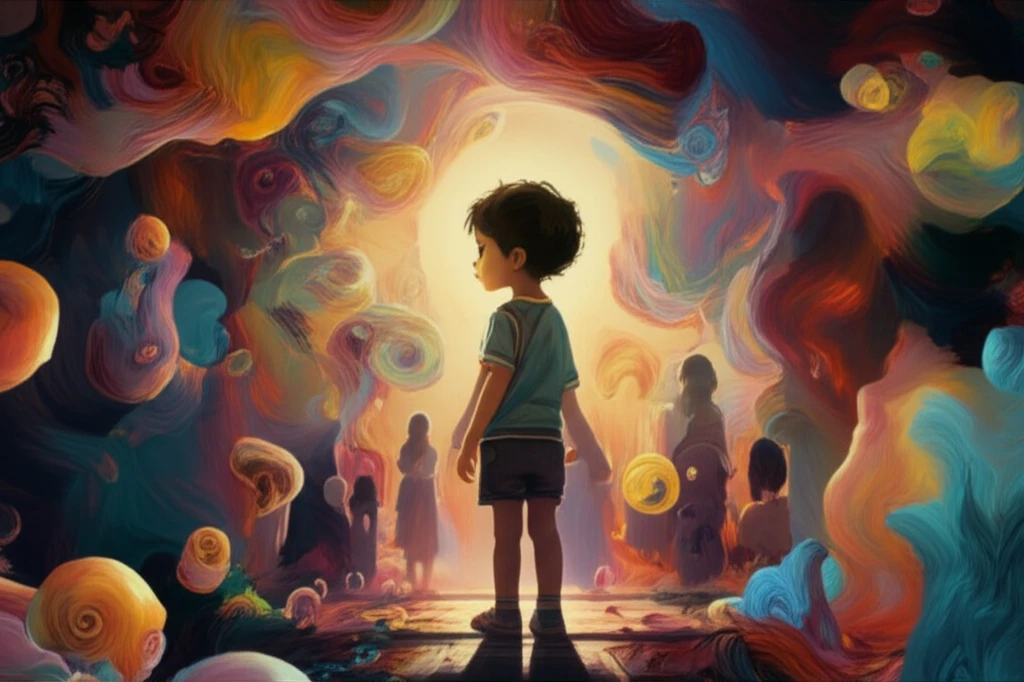
Illustration of a child surrounded by emotional patterns, symbolizing the impact of parental mental health.

Unraveling the Shadows: Understanding the Risks of Mental Health in Children with Bipolar Disorder

"Exploring the Complex Link Between Parental Bipolar Disorder and the Mental Well-being of Offspring"


The world of mental health is often shrouded in complexity, and the impact of parental mental illness on children is a particularly sensitive area. Recent research highlights a concerning trend: children with parents who have bipolar disorder face a significantly higher risk of developing their own mental health challenges. This article seeks to shed light on this complex issue, exploring the increased risks these children face and the critical need for early intervention and support.

Bipolar disorder, characterized by extreme shifts in mood, energy, and activity levels, is a serious condition that affects millions of people worldwide. While the disorder itself is challenging to manage, its impact extends far beyond the individual diagnosed. Children of parents with bipolar disorder often navigate a landscape of instability, uncertainty, and increased vulnerability to mental health issues.

This exploration aims to provide a comprehensive understanding of the challenges these children face, drawing on scientific research and expert insights. We will examine the specific types of mental health disorders that are more prevalent in this population, the potential factors contributing to these risks, and, most importantly, the strategies and support systems that can make a positive difference in their lives.

Decoding the Statistics: What the Research Reveals About Offspring of Bipolar Parents

Illustration of a child surrounded by emotional patterns, symbolizing the impact of parental mental health.

Numerous studies have investigated the mental health outcomes of children with parents diagnosed with bipolar disorder. The findings consistently point to a heightened risk of various psychiatric disorders. One meta-analysis revealed that these children are approximately four times more likely to experience mood disorders and nearly three times more likely to develop any mental disorder compared to children of parents without bipolar disorder. These statistics are not merely numbers; they represent a significant increase in vulnerability and a critical call for proactive intervention.

The research also highlights specific types of mental health challenges that are more prevalent. Mood disorders, such as major depressive disorder, are more common. Disruptive behavior disorders, including attention-deficit/hyperactivity disorder (ADHD) and oppositional defiant disorder (ODD), also show increased rates. Anxiety disorders, too, are more frequently observed in this population. The presence of these disorders can significantly impact a child's daily life, affecting their academic performance, social relationships, and overall well-being.

  • Increased Risk of Mood Disorders: Children are more prone to experiencing conditions like depression and bipolar disorder.
  • Higher Rates of Disruptive Behavior Disorders: ADHD and ODD are more prevalent.
  • Elevated Levels of Anxiety: Children are more likely to develop various anxiety disorders.
  • Complex Comorbidities: Often, these disorders co-occur, creating a complex web of challenges.
Understanding the increased risks is the first step. The next is to explore the factors that contribute to these elevated rates of mental health issues. Genetic predispositions, environmental influences, and the impact of the home environment all play crucial roles. Moreover, the interplay between these factors makes this a highly complex issue. Yet, by recognizing these factors, we can begin to develop targeted support strategies.

Charting a Course Forward: Support, Understanding, and Hope

Navigating the challenges of mental health in children of parents with bipolar disorder requires a multi-faceted approach. Early detection and intervention are paramount. This includes regular check-ups, open communication with healthcare providers, and, when necessary, professional therapeutic interventions. Creating a supportive and stable home environment is also vital. This involves establishing routines, fostering open communication, and seeking support from family, friends, and support groups. Remember, you are not alone, and there are resources available to help. With understanding, support, and proactive measures, we can help these children thrive.

About this Article -

This article was crafted using a human-AI hybrid and collaborative approach. AI assisted our team with initial drafting, research insights, identifying key questions, and image generation. Our human editors guided topic selection, defined the angle, structured the content, ensured factual accuracy and relevance, refined the tone, and conducted thorough editing to deliver helpful, high-quality information.See our About page for more information.

This article is based on research published under:

DOI-LINK: 10.1590/s1807-59322011000500003, Alternate LINK

Title: Lifetime Psychopathology Among The Offspring Of Bipolar I Parents

Subject: General Medicine

Journal: Clinics

Publisher: Elsevier BV

Authors: Marcelo C Zappitelli, Isabel A Bordin, John P Hatch, Sheila C Caetano, Giovana Zunta-Soares, Rene L Olvera, Jair C Soares

Published: 2011-01-01

Everything You Need To Know

1

What specific mental health risks are elevated in children who have a parent with bipolar disorder?

Children of parents with bipolar disorder face a significantly higher risk of developing various mental health challenges. Research indicates an increased likelihood of mood disorders, such as major depressive disorder and bipolar disorder itself. Additionally, disruptive behavior disorders like attention-deficit/hyperactivity disorder (ADHD) and oppositional defiant disorder (ODD) are more prevalent, as are various anxiety disorders. These conditions can occur independently or co-occur, creating complex comorbidities that affect a child's academic performance, social relationships, and overall well-being.

2

How much more likely are children with bipolar parents to develop mental health disorders compared to those without bipolar parents?

Research indicates that children with parents who have bipolar disorder are approximately four times more likely to experience mood disorders and nearly three times more likely to develop any mental disorder compared to children of parents without bipolar disorder. This substantial increase in risk highlights the critical need for proactive intervention and support for these children.

3

What key factors contribute to the increased risk of mental health issues in children of parents with bipolar disorder?

The increased risk of mental health issues in these children is multifaceted. Genetic predispositions play a significant role, as bipolar disorder has a hereditary component. Environmental factors, such as exposure to stress and instability within the home, also contribute. The interplay between genetic vulnerabilities and environmental influences creates a complex dynamic. While not explicitly detailed, epigenetic factors (how genes are expressed), the specific parenting styles employed, and the availability of social support networks would also greatly contribute to the mental health outcomes of the children.

4

What are the initial steps to take if I suspect my child, who has a parent with bipolar disorder, is developing a mental health issue?

Early detection and intervention are paramount. It's crucial to maintain open communication with healthcare providers, including regular check-ups and mental health screenings. If concerns arise, seek professional therapeutic interventions from qualified mental health professionals. Creating a supportive and stable home environment through establishing routines, fostering open communication, and seeking support from family, friends, and support groups is also vital. Remember that resources are available to help.

5

Besides therapy, what other support systems can benefit children with parents who have bipolar disorder, and why are they important?

Creating a stable and supportive home environment is crucial. Establishing consistent routines can provide a sense of predictability and security. Open communication within the family allows children to express their feelings and concerns. Support from extended family, friends, and support groups can also provide valuable emotional support and practical assistance. These elements help mitigate the impact of parental bipolar disorder on the child by fostering resilience, promoting emotional well-being, and creating a buffer against stress. Support groups can provide an opportunity to connect with others facing similar challenges, reducing feelings of isolation and offering shared experiences and coping strategies.

Newsletter Subscribe

Subscribe to get the latest articles and insights directly in your inbox.