
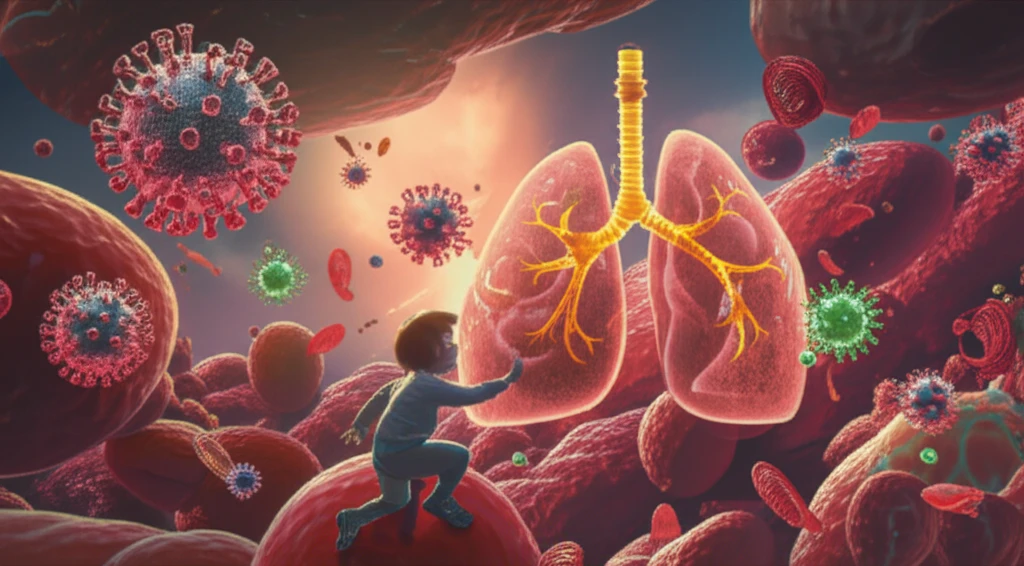
Unraveling the Asthma Mystery: How Infections in Childhood Could Shape Your Future

"From Sneezes to Shortness of Breath: Understanding the Link Between Early Infections and Asthma Development."
As parents, we're constantly navigating a world of potential health concerns for our children. From the sniffles of a common cold to the wheezing of asthma, it's natural to seek a deeper understanding of these conditions. What if some of the most frequent childhood illnesses are connected to a more chronic respiratory ailment? Recent research suggests that there's a complex relationship between early childhood infections and the development of asthma, a chronic disease affecting millions worldwide.
Asthma, characterized by inflamed airways and breathing difficulties, has become increasingly prevalent. While genetics and environmental factors play a role, emerging evidence points to respiratory infections as a significant piece of the puzzle. Understanding this connection could revolutionize how we approach asthma prevention and treatment, empowering parents with knowledge and proactive strategies.
This article dives into the current research on the relationship between early respiratory infections and asthma, offering you clear, actionable insights. We'll explore the specific infections linked to asthma, the underlying mechanisms at play, and what you can do to support your child's respiratory health.
The Culprits Behind the Wheeze: Infections Most Linked to Asthma
Several respiratory infections have been strongly associated with asthma development. These infections, often contracted during early childhood, can set the stage for chronic respiratory issues. The timing of infection, as well as the specific pathogen involved, plays a crucial role in determining the long-term impact. One of the most well-studied culprits is the Respiratory Syncytial Virus (RSV).
- Rhinovirus (RV): Often associated with the common cold, RV has been linked to wheezing illnesses and increased asthma risk in young children.
- Human Bocavirus (HBoV): This relatively new virus has shown an association with acute wheezing and asthma exacerbations.
- Parainfluenza, Influenza A, and Human Metapneumovirus (HMPV): These viruses are also associated with recurrent wheezing and asthma development.
- Mycoplasma pneumoniae and Chlamydophila pneumoniae: These atypical bacteria have been implicated in both acute asthma exacerbations and the development of chronic asthma.
Empowering Parents: Taking Action for Respiratory Health
The connection between early infections and asthma development is a complex area of ongoing research. However, by staying informed and taking proactive steps, parents can significantly impact their child's respiratory health. This includes ensuring regular check-ups with your pediatrician, promoting good hygiene practices, and being aware of potential environmental triggers. As we continue to learn more about the intricate relationship between early infections and asthma, the knowledge gained will offer a clearer path towards prevention, early intervention, and more effective treatments, leading to healthier, happier lives for our children.