
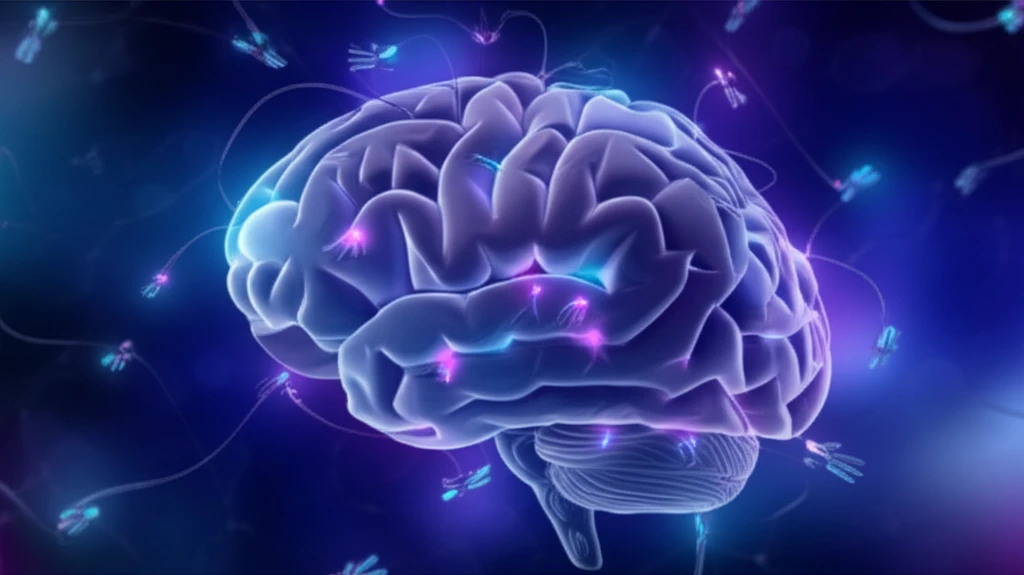
Surreal illustration of a brain intertwined with glowing antibodies, representing the complex interaction of autoimmune diseases.

Unmasking the Mystery: When Autoimmune Diseases Collide in the Brain

"A rare case study sheds light on the co-occurrence and unique behavior of MOG-EM and anti-NMDAR encephalitis, offering hope for better diagnosis and treatment."


The human body is a complex network, and sometimes, its defense systems can turn against it. Autoimmune diseases, where the immune system mistakenly attacks healthy cells, can manifest in various ways. This article explores a particularly intriguing and rare scenario: the collision of two distinct autoimmune disorders within the central nervous system (CNS)—specifically, myelin-oligodendrocyte-glycoprotein (MOG) IgG-associated encephalomyelitis (MOG-EM) and anti-N-methyl-D-aspartate receptor (NMDAR) encephalitis.

MOG-EM and anti-NMDAR encephalitis are both autoimmune conditions affecting the brain, but they target different components. MOG-EM involves antibodies attacking myelin, the protective sheath around nerve fibers, while anti-NMDAR encephalitis involves antibodies targeting the NMDAR receptors crucial for brain function. Understanding how these conditions can co-occur and influence each other is vital for accurate diagnosis and effective treatment.

Recent research has focused on the complexities of MOG-EM, emphasizing the importance of recognizing its diverse clinical presentations. Guidelines now recommend specific testing criteria for MOG antibodies to improve diagnosis. This article delves into a unique case study that challenges existing knowledge and broadens our understanding of these intricate autoimmune interactions, offering new insights into diagnosis and potential therapeutic strategies.

Decoding the Overlap: MOG-EM and Anti-NMDAR Encephalitis

Surreal illustration of a brain intertwined with glowing antibodies, representing the complex interaction of autoimmune diseases.

A recent case study highlights the unusual co-occurrence of MOG-EM and anti-NMDAR encephalitis in a 47-year-old male. The patient initially presented with recurrent optic neuritis, an inflammation of the optic nerve, dating back to 2001. In 2013, he was treated for anti-NMDAR encephalitis. This patient's medical history revealed a complex interplay of autoimmune responses, offering valuable insights into these conditions.

Interestingly, both NMDAR and MOG antibodies were present during the anti-NMDAR encephalitis episode. Follow-up visits showed that while NMDAR antibodies disappeared, MOG antibodies persisted. This dynamic shift suggests distinct patterns in the behavior of these antibodies, raising questions about long-term management and monitoring strategies.

  • Recurrent Optic Neuritis: Inflammation of the optic nerve with a history spanning several years.
  • Co-occurrence of Antibodies: Presence of both NMDAR and MOG antibodies during the encephalitis episode.
  • Antibody Dynamics: Disappearance of NMDAR antibodies with persistent MOG antibodies, indicating different disease trajectories.
This case underscores the possibility of MOG-EM and anti-NMDAR encephalitis coexisting over extended periods without typical signs of CNS demyelination. The distinct temporal evolution of these antibodies highlights the need for tailored treatment approaches and careful monitoring to prevent further complications. The diagnostic journey emphasizes the importance of recognizing atypical presentations and considering combined autoimmune conditions.

Future Directions: Improving Diagnosis and Treatment

The presented case underscores the need for ongoing research to better understand the interplay between MOG-EM and anti-NMDAR encephalitis. Recognizing the diverse clinical presentations and distinct antibody patterns can significantly improve diagnostic accuracy. By expanding our knowledge, we can tailor treatment strategies to address the specific needs of patients with these complex autoimmune conditions, ultimately leading to better outcomes and improved quality of life.

About this Article -

This article was crafted using a human-AI hybrid and collaborative approach. AI assisted our team with initial drafting, research insights, identifying key questions, and image generation. Our human editors guided topic selection, defined the angle, structured the content, ensured factual accuracy and relevance, refined the tone, and conducted thorough editing to deliver helpful, high-quality information.See our About page for more information.

Everything You Need To Know

1

What are MOG-EM and anti-NMDAR encephalitis and how do they relate to each other?

MOG-EM, or myelin-oligodendrocyte-glycoprotein IgG-associated encephalomyelitis, is an autoimmune disorder where the body's immune system attacks the myelin sheath around nerve fibers in the central nervous system. Anti-NMDAR encephalitis is another autoimmune condition, but it targets NMDAR receptors, which are essential for brain function. The article highlights a case where a patient exhibited both conditions, demonstrating their potential for co-occurrence and the complex interactions between them. Understanding the relationship is vital for diagnosis and treatment.

2

What is the significance of the case study involving a patient with both MOG-EM and anti-NMDAR encephalitis?

The case study of a 47-year-old male, who experienced both MOG-EM and anti-NMDAR encephalitis, is significant because it showcases the unusual co-occurrence of these two autoimmune diseases. The patient's history, including recurrent optic neuritis and the presence of both NMDAR and MOG antibodies, provides valuable insights into the dynamic interplay of these conditions. It challenges existing knowledge, highlights the importance of recognizing atypical presentations, and underscores the need for tailored treatment and monitoring strategies.

3

How do the antibodies associated with MOG-EM and anti-NMDAR encephalitis behave differently in the body?

The article details how the antibodies associated with MOG-EM and anti-NMDAR encephalitis can exhibit distinct behaviors. In the case study, both NMDAR and MOG antibodies were present during the anti-NMDAR encephalitis episode. However, during follow-up visits, the NMDAR antibodies disappeared, while the MOG antibodies persisted. This difference in antibody dynamics suggests varied disease trajectories, emphasizing the need for distinct treatment approaches and careful monitoring strategies. The persistence of MOG antibodies after the resolution of anti-NMDAR encephalitis raises questions about long-term management.

4

What diagnostic and treatment implications arise from the co-occurrence of MOG-EM and anti-NMDAR encephalitis?

The co-occurrence of MOG-EM and anti-NMDAR encephalitis presents several diagnostic and treatment challenges. Accurate diagnosis requires recognizing atypical presentations and considering the possibility of combined autoimmune conditions. The distinct temporal evolution of MOG and NMDAR antibodies necessitates tailored treatment approaches that address the specific needs of each condition. This may include therapies to target both the myelin-attacking antibodies of MOG-EM and the NMDAR receptor-attacking antibodies of anti-NMDAR encephalitis. Furthermore, careful monitoring is crucial to prevent further complications and ensure optimal patient outcomes.

5

What are the future directions for research and treatment in the context of MOG-EM and anti-NMDAR encephalitis?

Future research directions involve a deeper understanding of the interplay between MOG-EM and anti-NMDAR encephalitis. This includes recognizing the diverse clinical presentations and the distinct antibody patterns associated with each condition. By expanding knowledge of these complex autoimmune interactions, researchers and clinicians can develop more precise diagnostic methods. These advancements will facilitate the tailoring of treatment strategies to address the specific needs of patients with these conditions, ultimately leading to better outcomes and improved quality of life. Further research into long-term management and monitoring is also crucial.

Newsletter Subscribe

Subscribe to get the latest articles and insights directly in your inbox.