
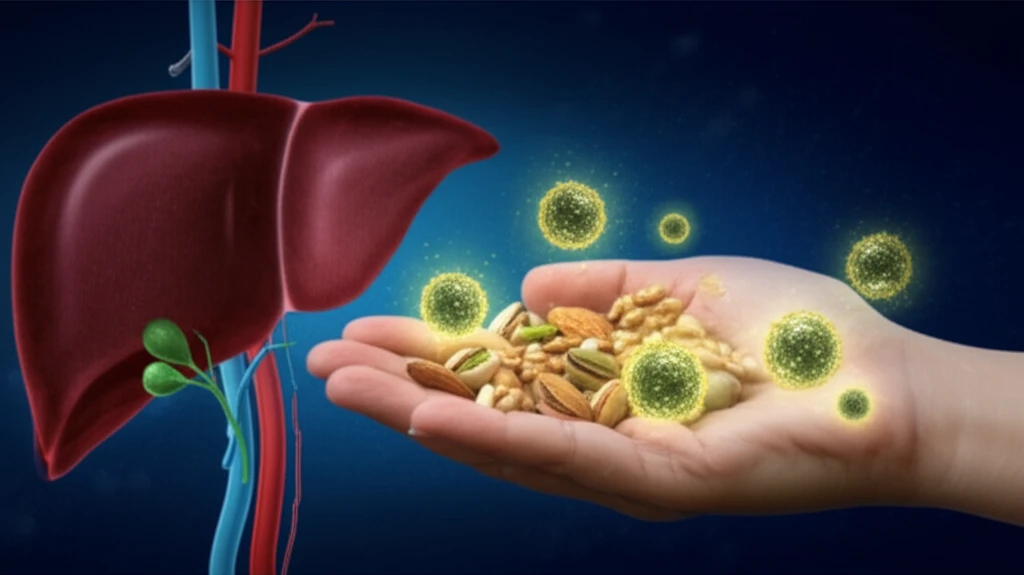
Illustration of aflatoxins contaminating nuts and grains, posing a threat to liver health.

Unmasking Aflatoxin: The Hidden Mold Toxin in Our Food Supply

"Learn how aflatoxins, potent fungal toxins, contaminate our food and pose serious health risks, and what you can do to stay safe."


Have you ever wondered about the unseen dangers lurking in your favorite foods? Aflatoxins are a group of toxins produced by certain molds, mainly Aspergillus flavus and Aspergillus parasiticus. These molds thrive in warm, humid conditions and can contaminate a variety of agricultural products, including nuts, grains, spices, and dried fruits. What makes aflatoxins particularly concerning is their potent toxicity and potential to cause serious health issues.

Aflatoxins are not a new discovery; scientists have been studying them for decades to understand their origins, health impacts, and how to mitigate their presence in our food. These toxins have gained worldwide attention due to their prevalence in staple foods and global trade implications. Regulatory bodies around the world have established strict limits for aflatoxins in food to safeguard public health.

This article explores the science behind aflatoxins, examining how these toxins are produced, the foods they commonly affect, and the health risks they pose. It also provides practical strategies to minimize your exposure and ensure that your diet is as safe as possible. Understanding aflatoxins is the first step toward protecting yourself and your family from these hidden dangers.

What Makes Aflatoxins So Dangerous?

Illustration of aflatoxins contaminating nuts and grains, posing a threat to liver health.

Aflatoxins are classified as mycotoxins, toxic compounds naturally produced by fungi (molds). Among the different types of aflatoxins, aflatoxin B1 (AFB1) is considered the most toxic and is a known human carcinogen. Aflatoxins can cause both acute and chronic health effects, depending on the level and duration of exposure. The primary concern with aflatoxins is their ability to damage the liver, leading to potential long-term health issues. Here are some further points to keep in mind:

Here are a few key facts about aflatoxins:

  • Cancer Risk: Prolonged exposure to aflatoxins can increase the risk of liver cancer. The International Agency for Research on Cancer (IARC) classifies AFB1 as a Group 1 carcinogen, meaning there is sufficient evidence to conclude it can cause cancer in humans.
  • Immune Suppression: Aflatoxins can weaken the immune system, making individuals more susceptible to infections and other illnesses. This is particularly concerning in populations where malnutrition is prevalent.
  • Stunted Growth: In children, chronic exposure to aflatoxins can lead to stunted growth and developmental delays. This is a significant issue in regions where contaminated food is a regular part of the diet.
  • Acute Poisoning: High levels of aflatoxin exposure can cause acute poisoning, leading to symptoms such as vomiting, abdominal pain, liver damage, and even death.
Given these risks, it’s essential to understand how aflatoxins find their way into our food supply and what steps we can take to minimize our exposure.

Staying Safe: Practical Tips to Minimize Aflatoxin Exposure

While the threat of aflatoxins might seem daunting, there are several practical steps you can take to minimize your exposure and protect your health. By staying informed, making smart food choices, and supporting efforts to improve food safety, you can significantly reduce your risk and enjoy a safer, healthier diet.

About this Article -

This article was crafted using a human-AI hybrid and collaborative approach. AI assisted our team with initial drafting, research insights, identifying key questions, and image generation. Our human editors guided topic selection, defined the angle, structured the content, ensured factual accuracy and relevance, refined the tone, and conducted thorough editing to deliver helpful, high-quality information.See our About page for more information.

Everything You Need To Know

1

What exactly are aflatoxins?

Aflatoxins are toxins produced by certain molds, specifically Aspergillus flavus and Aspergillus parasiticus. These molds thrive in warm, humid conditions and can contaminate foods like nuts, grains, spices, and dried fruits. The main concern is their toxicity and potential to cause serious health issues, including liver damage and cancer.

2

Why are aflatoxins considered so dangerous to our health?

Aflatoxins are dangerous because they are mycotoxins, with aflatoxin B1 (AFB1) being the most toxic. AFB1 is classified as a Group 1 carcinogen by the International Agency for Research on Cancer (IARC), meaning it is known to cause cancer in humans. Aflatoxins can also weaken the immune system, stunt growth in children, and cause acute poisoning at high levels. It's vital to understand these risks to minimize exposure.

3

What kind of health problems can you get from being exposed to aflatoxins?

Exposure to aflatoxins can lead to several health problems. Prolonged exposure increases the risk of liver cancer. Aflatoxins can also suppress the immune system, making individuals more susceptible to infections. In children, chronic exposure can result in stunted growth and developmental delays. High levels of exposure can cause acute poisoning, leading to vomiting, abdominal pain, liver damage, and potentially death.

4

What are some practical steps I can take to avoid aflatoxins?

To minimize your exposure to aflatoxins, stay informed about the foods most commonly affected, such as nuts and grains. Make smart food choices by selecting products from reputable sources that adhere to food safety standards. Support efforts to improve food safety practices in agriculture and food processing. While the text focuses on exposure reduction, monitoring and regulation are also key aspects. Regulatory bodies around the world establish strict limits for aflatoxins in food to safeguard public health.

5

What role do regulatory bodies play in managing the risk of aflatoxins in our food supply?

Regulatory bodies play a crucial role by setting strict limits for aflatoxins in food to protect public health. These limits are established based on scientific research and risk assessments. The goal is to minimize the amount of aflatoxins that consumers are exposed to through their diet. The text touches on this indirectly when mentioning global trade implications.

Newsletter Subscribe

Subscribe to get the latest articles and insights directly in your inbox.