
Unlocking the Secrets: How Oxidative Stress Impacts Joint Health

"A deep dive into how oxidative stress triggers cell damage and potential pathways for preserving cartilage."
Joint pain, stiffness, and reduced mobility are common complaints as we age, and osteoarthritis (OA) often lies at the root. While the causes of OA are complex, scientists are increasingly focusing on the role of chondrocytes – the specialized cells within cartilage – and how their health dictates joint function. When these cells are compromised, it can lead to the breakdown of cartilage and the painful symptoms we associate with OA.
One major culprit in chondrocyte damage is oxidative stress. Think of it as an imbalance: on one side, you have reactive oxygen species (ROS), unstable molecules that can harm cells; on the other, your body's natural defenses trying to neutralize them. When ROS overwhelm these defenses, oxidative stress occurs, potentially triggering a cascade of harmful events within the joints.
This article dives into recent research exploring how oxidative stress affects chondrocytes, specifically focusing on the PI3K/Akt and caspase pathways. Understanding these pathways could unlock new ways to protect cartilage and maintain healthy joints for longer.
The Science of Stress: How Oxidative Stress Hurts Your Joints
Oxidative stress isn't just a buzzword; it's a measurable process that can significantly impact your cells. In the context of your joints, imagine chondrocytes constantly working to maintain the cartilage that cushions your bones. When oxidative stress hits, these cells can undergo apoptosis, or programmed cell death. This loss of chondrocytes contributes directly to the degradation of cartilage, a hallmark of OA.
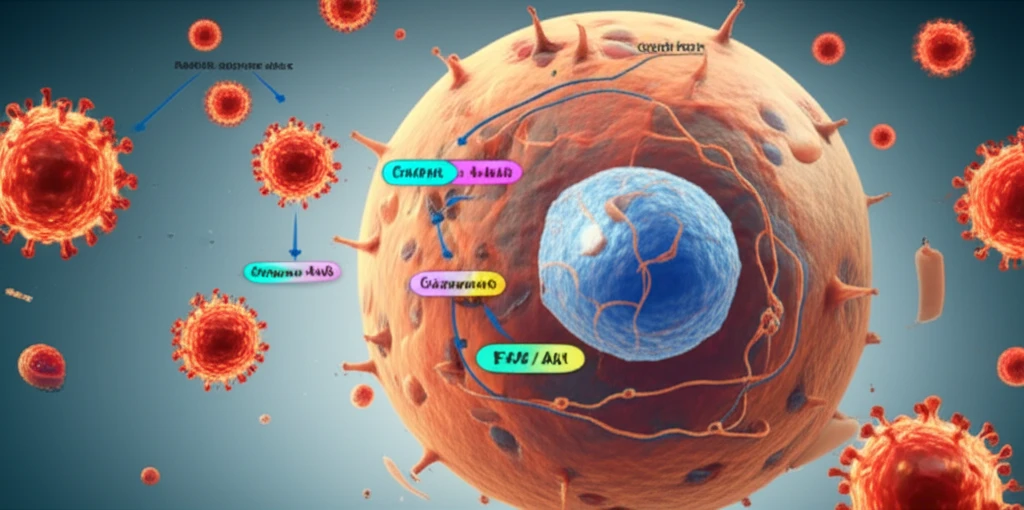
- ROS Surge: Oxidative stress increases the production of reactive oxygen species (ROS) within chondrocytes.
- Signaling Chaos: This surge activates both the PI3K/Akt (typically a survival pathway) and caspase pathways (linked to cell death).
- Cell Death Activation: Caspase activation leads to the breakdown of cellular components, ultimately resulting in chondrocyte apoptosis.
- The NO Factor: Increased nitric oxide (NO) production further exacerbates the problem, contributing to cartilage degradation.
Protecting Your Joints: What You Can Do
Understanding how oxidative stress impacts joint health is the first step towards taking proactive measures. While research into specific treatments targeting these pathways is ongoing, there are several lifestyle and dietary changes you can implement to support your body's natural defenses.
Focus on an anti-inflammatory diet rich in antioxidants. Load up on colorful fruits and vegetables, which are packed with compounds that neutralize ROS. Consider incorporating foods known for their joint-friendly properties, such as fatty fish rich in omega-3 fatty acids.
Regular, moderate exercise can also help improve joint health and reduce inflammation. However, it's crucial to avoid overexertion, which can actually increase oxidative stress. Consult with a healthcare professional or physical therapist to develop a safe and effective exercise plan for your individual needs. By understanding the science behind oxidative stress and taking proactive steps to mitigate its effects, you can empower yourself to maintain healthy joints and an active lifestyle for years to come.