
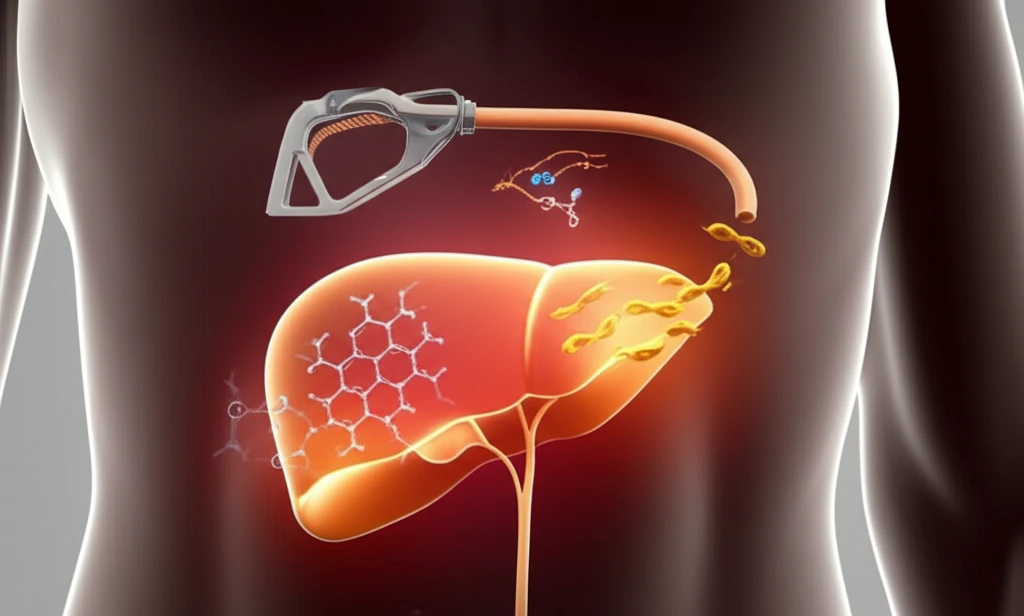
Illustration of the role of Angptl4 in insulin resistance, showing the connection between fat, liver, and insulin function.

Unlocking the Mystery of Insulin Resistance: How a Surprising Link Between Fat, Liver, and a Tiny Protein Could Change Your Health

"Scientists discover a new pathway involving a protein called Angptl4, offering hope for understanding and potentially reversing insulin resistance, a critical factor in diabetes and heart disease."


In the relentless pursuit of optimal health, understanding the intricate dance of our bodies' internal systems is paramount. One of the most critical, yet often misunderstood, processes is insulin resistance. This condition, where cells become less responsive to insulin, is a major precursor to type 2 diabetes and cardiovascular diseases, affecting millions globally. But now, a recent scientific breakthrough illuminates a surprising link between fat metabolism, liver function, and a tiny protein, opening doors to potential new treatments and preventative strategies.

Imagine your body as a finely tuned engine, with insulin as the fuel that powers it. Insulin resistance is akin to a clogged fuel line, preventing your cells from efficiently utilizing glucose (sugar) for energy. This forces the pancreas to produce more insulin, a cycle that can eventually lead to diabetes and other serious health issues. The good news? Researchers have identified a new piece of this puzzle, a protein named Angptl4, which seems to play a pivotal role in this process.

This article delves into the fascinating findings of a recent study, which uncovers how Angptl4, a protein primarily known for its role in fat metabolism, is intricately involved in the development of insulin resistance. We will explore the science behind this discovery, the potential impact on future treatments, and what it means for you and your health. Prepare to be enlightened as we unlock the secrets of this groundbreaking research.

Decoding the Role of Angptl4: The Unexpected Link to Insulin Resistance

Illustration of the role of Angptl4 in insulin resistance, showing the connection between fat, liver, and insulin function.

The groundbreaking research, published in a leading scientific journal, has revealed a previously unrecognized pathway by which Angptl4 contributes to insulin resistance. The study focused on how the body processes glucose and fats, particularly in the liver and adipose tissue (fat). Researchers discovered that Angptl4, primarily known for its involvement in regulating fat storage and breakdown, also has a significant impact on how the liver handles glucose.

The study revealed that in conditions of high glucocorticoid exposure (often associated with stress or certain medications), Angptl4 triggers a cascade of events leading to insulin resistance. This cascade involves increased fat breakdown in adipose tissue, which releases fatty acids. These fatty acids then travel to the liver, where they contribute to the production of ceramides. These ceramides, in turn, interfere with the liver's ability to respond to insulin, leading to higher blood sugar levels.

  • Glucocorticoids: These hormones, often elevated during stress, trigger Angptl4 production.
  • Fat Mobilization: Angptl4 promotes the breakdown of fat in adipose tissue.
  • Ceramide Production: Fatty acids from fat breakdown are converted into ceramides in the liver.
  • Insulin Resistance: Ceramides disrupt the liver's response to insulin, increasing blood sugar.
Furthermore, the study identified two key players, PP2A and PKCζ, that act as downstream effectors of ceramides. Essentially, these molecules are activated by ceramides and further contribute to the disruption of insulin signaling. This intricate process highlights the central role of Angptl4 in a previously unknown pathway that connects fat metabolism, liver function, and the development of insulin resistance.

Looking Ahead: Implications for Treatment and Prevention

This research provides invaluable insights into the complex mechanisms driving insulin resistance and offers promising avenues for future interventions. The discovery of Angptl4's role in this process opens the door to targeted therapies that could potentially disrupt the ceramide-mediated pathway, improving insulin sensitivity and reducing the risk of diabetes and related diseases. By understanding the key players and the steps involved, we move closer to developing more effective strategies for preventing and managing this pervasive health challenge. This groundbreaking study underscores the power of scientific investigation and its potential to transform the landscape of healthcare.

About this Article -

This article was crafted using a human-AI hybrid and collaborative approach. AI assisted our team with initial drafting, research insights, identifying key questions, and image generation. Our human editors guided topic selection, defined the angle, structured the content, ensured factual accuracy and relevance, refined the tone, and conducted thorough editing to deliver helpful, high-quality information.See our About page for more information.

Everything You Need To Know

1

What is insulin resistance and why is it so important to understand?

Insulin resistance is a condition where your cells become less responsive to insulin, the hormone that helps your body use glucose for energy. This is a critical factor because it is a major precursor to type 2 diabetes and cardiovascular diseases. When cells are resistant, the pancreas works overtime to produce more insulin, which can eventually lead to serious health issues.

2

How does Angptl4 contribute to the development of insulin resistance?

Angptl4, a protein primarily known for fat metabolism, has been found to play a significant role in insulin resistance. When exposed to high levels of glucocorticoids, Angptl4 triggers increased fat breakdown in adipose tissue. This releases fatty acids that travel to the liver, where they are converted into ceramides, which interfere with the liver's ability to respond to insulin, leading to increased blood sugar.

3

Can you explain the roles of PP2A and PKCζ in the process of insulin resistance?

PP2A and PKCζ are downstream effectors of ceramides in the insulin resistance pathway. Essentially, these molecules are activated by ceramides, which are produced in the liver as a result of increased fatty acids. Once activated, PP2A and PKCζ further contribute to the disruption of insulin signaling, exacerbating insulin resistance. They amplify the negative effects of ceramides on the liver's ability to respond to insulin.

4

What are the key steps that connect fat metabolism, liver function, and insulin resistance through Angptl4?

The pathway begins with high glucocorticoid exposure, which triggers the production of Angptl4. Angptl4 then promotes fat breakdown in adipose tissue, releasing fatty acids. These fatty acids travel to the liver and are converted into ceramides. Ceramides disrupt the liver's response to insulin, increasing blood sugar levels. This process highlights a previously unknown pathway connecting fat metabolism and liver function directly to the development of insulin resistance, mediated by Angptl4 and its downstream effects.

5

How might the discovery of Angptl4's role lead to new treatments for diabetes?

The discovery of Angptl4's role in insulin resistance opens the door to targeted therapies. Researchers can potentially develop treatments that disrupt the ceramide-mediated pathway. This could involve interventions that block Angptl4's action, interfere with ceramide production, or enhance the liver's response to insulin, potentially improving insulin sensitivity and reducing the risk of diabetes and related diseases. This understanding offers promising avenues for future interventions to prevent and manage insulin resistance.

Newsletter Subscribe

Subscribe to get the latest articles and insights directly in your inbox.