
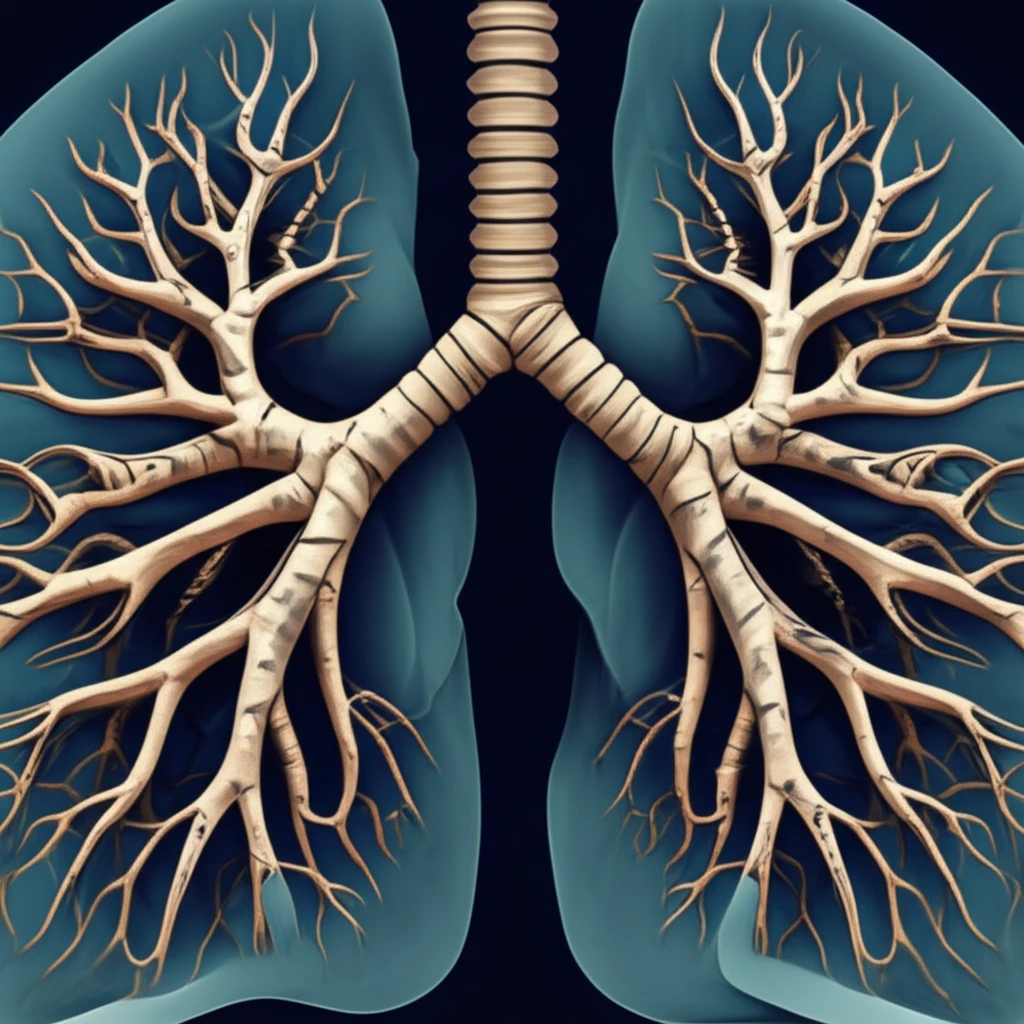
Illustration of damaged bronchi symbolizing bronchiectasis in hematologic patients

Unlocking the Mystery of Bronchiectasis: What Hematologic Patients Need to Know

"A comprehensive look at bronchiectasis in patients with hematologic malignancies, its causes, and the latest treatment options."


Bronchiectasis, a chronic respiratory condition characterized by the abnormal widening of the bronchi, poses a significant health challenge, particularly for individuals with hematologic malignancies. While often underrecognized, this pulmonary complication can substantially impact the quality of life and overall prognosis of affected patients. Recent research sheds light on the de novo development of bronchiectasis in this specific population, independent of factors like stem cell transplantation (SCT), graft-versus-host disease (GVHD), and immunoglobulin deficiency.

The study highlights the importance of identifying and managing bronchiectasis in patients with hematologic malignancies, emphasizing the need for proactive monitoring and tailored treatment strategies. Understanding the unique risk factors and underlying mechanisms driving the development of bronchiectasis in this context is crucial for optimizing patient care and improving outcomes.

This article delves into the complexities of bronchiectasis in the setting of hematologic malignancy, exploring its clinical significance, diagnostic approaches, potential causes, and management strategies. By providing a comprehensive overview of this underrecognized pulmonary complication, we aim to empower patients, caregivers, and healthcare professionals with the knowledge needed to effectively address this challenging condition.

Decoding Bronchiectasis: What It Means for Hematologic Patients

Illustration of damaged bronchi symbolizing bronchiectasis in hematologic patients

Bronchiectasis is defined by irreversible bronchial dilation, often stemming from inflammation or infection. In the context of hematologic malignancies, its emergence can be insidious, potentially complicating the clinical picture and demanding vigilant monitoring. The initial diagnosis of hematologic malignancy to the diagnosis of bronchiectasis can vary, underscoring the importance of continuous assessment.

Key findings from the study emphasize the decline in forced vital capacity (FVC) values, a critical measure of lung function, from the initial hematologic malignancy diagnosis to the diagnosis of bronchiectasis. These changes, along with the worsening of bronchial dilatation and airway thickening observed on high-resolution CT (HRCT) scans, highlight the progressive nature of the condition and the need for early intervention.

Understanding the key factors of Bronchiectasis:
  • Irreversible Bronchial Dilation: Bronchiectasis is characterized by the permanent widening of the bronchi, making airways susceptible to mucus accumulation and infection.
  • Association with Hematologic Malignancies: Patients with blood cancers may develop bronchiectasis due to weakened immune systems and exposure to toxic treatments.
  • Progressive Lung Function Decline: The condition leads to a gradual decrease in lung capacity and efficiency, affecting overall respiratory health.
  • Increased Airway Inflammation: Chronic inflammation exacerbates damage to the bronchial walls, leading to further dilation and dysfunction.
Unlike patients with pre-existing respiratory conditions, those developing bronchiectasis in the setting of hematologic malignancy often have no prior clinical diagnosis. This underscores the importance of vigilance among healthcare providers, particularly given that a majority of patients had evidence of GVHD, suggesting small airway disease secondary to bronchiolitis obliterans syndrome. However, the fact that some patients did not receive SCT or have GVHD indicates additional underlying mechanisms at play.

Optimizing Care: The Path Forward for Hematologic Patients with Bronchiectasis

The development of bronchiectasis in patients with hematologic malignancies is likely multifactorial, stemming from the combination of described risk factors and unrecognized mechanisms directly related to the malignancy itself. Regardless of the underlying cause, early recognition and intervention are paramount to prevent disease progression and improve quality of life. Future research should focus on identifying specific biomarkers and risk factors to personalize treatment approaches and optimize care for this vulnerable patient population.

About this Article -

This article was crafted using a human-AI hybrid and collaborative approach. AI assisted our team with initial drafting, research insights, identifying key questions, and image generation. Our human editors guided topic selection, defined the angle, structured the content, ensured factual accuracy and relevance, refined the tone, and conducted thorough editing to deliver helpful, high-quality information.See our About page for more information.

Everything You Need To Know

1

What exactly is bronchiectasis and why is it a concern for people with blood cancers?

Bronchiectasis is a chronic respiratory condition where the bronchi, the tubes carrying air to your lungs, become abnormally widened. This dilation is usually irreversible and can lead to mucus buildup, making the airways prone to infection. For individuals with hematologic malignancies, bronchiectasis can develop because blood cancers or their treatments weaken the immune system or damage the airways. This can occur independently of stem cell transplantation, graft-versus-host disease or immunoglobulin deficiency. Early detection and management are critical to prevent the condition from worsening and to maintain the best possible quality of life.

2

Why is it important to diagnose bronchiectasis early in patients who have hematologic malignancies?

The diagnosis of bronchiectasis in hematologic malignancy patients is significant because it can greatly impact a patient's lung function and overall health. The decline in forced vital capacity (FVC) values, which measure how much air you can forcefully exhale, indicates a reduction in lung function. High-resolution CT (HRCT) scans also show the worsening of bronchial dilation and airway thickening. Because bronchiectasis can develop without any prior respiratory issues, vigilance and continuous respiratory assessment are very important.

3

What are the key risk factors that might cause someone with a hematologic malignancy to develop bronchiectasis?

The risk factors for bronchiectasis in patients with hematologic malignancies can include having had graft-versus-host disease (GVHD), which affects the small airways, leading to bronchiolitis obliterans syndrome. However, it's important to note that some patients develop bronchiectasis even without stem cell transplantation (SCT) or GVHD, indicating there are other underlying mechanisms related to the malignancy itself. Identifying these specific risk factors is important for personalizing treatment.

4

What does it mean that the bronchial dilation in bronchiectasis is 'irreversible,' and why is that significant?

Irreversible bronchial dilation in bronchiectasis means that the widening of the bronchi is permanent. This dilation leads to problems such as mucus accumulation and an increased risk of infections because the airways are less effective at clearing out debris and pathogens. The chronic inflammation that results from this can further damage the bronchial walls, exacerbating the dilation and dysfunction. This is why proactive monitoring and treatment are important to slow the disease's progression and manage its symptoms.

5

What does treatment and management look like for hematologic patients, and what are the hopes for future research?

Currently, management strategies focus on early recognition and intervention to prevent the progression of bronchiectasis, thereby improving quality of life. Future research aims to pinpoint specific biomarkers and risk factors, which can help personalize treatment approaches and optimize care for vulnerable patient populations. Research into unrecognized mechanisms directly related to the malignancy itself are also important. Further exploration in these areas are needed.

Newsletter Subscribe

Subscribe to get the latest articles and insights directly in your inbox.