
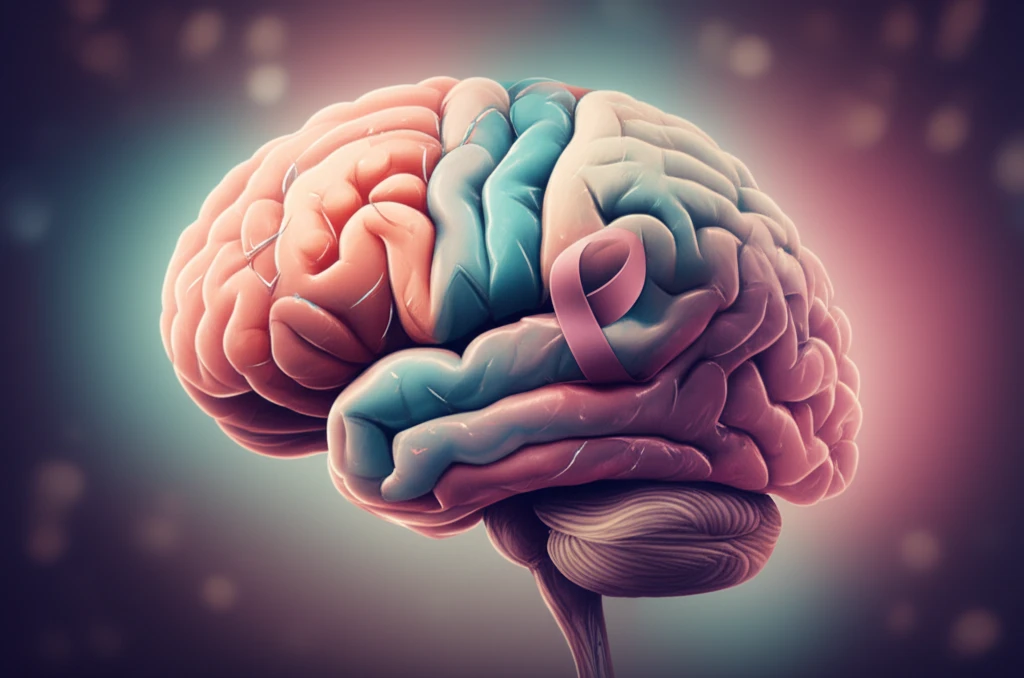
Brain intertwined with cancer ribbons, symbolizing the connection between stroke and cancer.

Unlocking the Mysteries of Stroke in Cancer Patients: A Comprehensive Guide

"Navigate the complexities of stroke risk and treatment in cancer patients, understanding unique causes and innovative approaches."


Stroke is a devastating condition, and its impact is even more complex when it occurs in individuals battling cancer. While traditional risk factors like high blood pressure and diabetes remain relevant, cancer introduces a unique set of challenges that can significantly increase the likelihood of stroke. Understanding these nuances is crucial for effective prevention, diagnosis, and treatment.

This article delves into the intricate connection between cancer and stroke, shedding light on the mechanisms that drive this dangerous pairing. We'll explore the unusual causes of stroke in cancer patients, how they differ from typical stroke scenarios, and the latest advancements in treatment strategies tailored to this specific population. We aim to empower patients and their families with knowledge, offering hope and guidance in navigating these complex health challenges.

Our focus extends beyond simply identifying the risks; we aim to provide a comprehensive understanding of the diagnostic and therapeutic landscape. From recognizing subtle symptoms to exploring innovative treatment options, this guide serves as a valuable resource for anyone seeking to understand and manage the risk of stroke in the context of cancer.

Decoding Stroke Mechanisms in Cancer: Beyond the Usual Suspects

Brain intertwined with cancer ribbons, symbolizing the connection between stroke and cancer.

While well-known stroke risk factors such as carotid artery disease, atrial fibrillation, and small vessel disease remain significant in cancer patients, there's a higher prevalence of cryptogenic strokes – those with an undetermined cause – in this population. This suggests that additional mechanisms are at play, directly linked to the presence of cancer.

One of the primary culprits is hypercoagulability, an abnormal increase in the tendency to form blood clots. Cancer cells can trigger a cascade of events that promote clot formation, leading to blockages in blood vessels and subsequent stroke. This hypercoagulable state can manifest with or without non-bacterial thrombotic endocarditis (NBTE), a condition characterized by the formation of sterile vegetations on heart valves.

  • Trousseau Syndrome: Initially recognized as migratory thrombophlebitis, it now encompasses any coagulation abnormality linked to malignancy. Lung, gastrointestinal, and breast cancers are commonly associated, especially mucin-producing tumors.
  • Mucin Overproduction: Certain tumors secrete mucins that interact with selectins, fostering the development of platelet-rich microthrombi.
  • Tissue Factor Activation: Tissue factor release from tumors activates coagulation pathways, leading to thrombin and fibrin generation, along with platelet activation.
  • Cytokine Imbalance: Malignancies can release cytokines that transform the endothelium into a prothrombotic state, diminish protein C activity, and impede fibrinolysis.
  • Extracellular Vesicles: Cancer cells release membrane fragments associated with coagulopathy.
Although less common, it's important to rule out other potential causes of stroke in cancer patients. These include tumor embolization, where tumor cells break off and travel to the brain, paradoxical embolism, radiation vasculopathy, chemotherapy-induced coagulation issues, and local tumor compression. It is imperative to maintain awareness of cardiac sources of cancer-related cerebral infarction, as embolic events are common. Non-bacterial thrombotic endocarditis (NBTE) is often observed and is characterized by non-inflammatory vegetations on the valves.

Navigating Treatment Options and Future Directions

The management of stroke in cancer patients presents unique challenges. While thrombolysis (clot-busting medication) is a standard treatment for acute stroke, it's often avoided in patients with known intracranial neoplasms due to the risk of bleeding. Low-molecular-weight heparin (LMWH) is frequently used to prevent recurrent blood clots, and has been considered as a standard of care, particularly in treating venous thromboembolism. More research is needed to clarify the optimal anticoagulation strategies, balancing the benefits of preventing stroke with the risks of bleeding.

About this Article -

This article was crafted using a human-AI hybrid and collaborative approach. AI assisted our team with initial drafting, research insights, identifying key questions, and image generation. Our human editors guided topic selection, defined the angle, structured the content, ensured factual accuracy and relevance, refined the tone, and conducted thorough editing to deliver helpful, high-quality information.See our About page for more information.

This article is based on research published under:

DOI-LINK: 10.1161/strokeaha.118.022088, Alternate LINK

Title: Evaluation And Treatment Of A Patient With Recurrent Stroke In The Setting Of Active Malignancy

Subject: Advanced and Specialized Nursing

Journal: Stroke

Publisher: Ovid Technologies (Wolters Kluwer Health)

Authors: Lee E Neilson, Lisa R. Rogers, Sophia Sundararajan

Published: 2019-01-01

Everything You Need To Know

1

What makes stroke in cancer patients different from stroke in other individuals?

While traditional stroke risk factors like high blood pressure and diabetes are still relevant, cancer introduces unique challenges. Cancer patients often experience cryptogenic strokes, where the cause is undetermined, suggesting additional mechanisms linked to the cancer itself are at play. Hypercoagulability, an increased tendency to form blood clots, is a primary culprit. Conditions such as Trousseau Syndrome, mucin overproduction, tissue factor activation, cytokine imbalance, and extracellular vesicles contribute to this hypercoagulable state, increasing the risk of stroke. In addition, tumor embolization, paradoxical embolism, radiation vasculopathy, chemotherapy-induced coagulation issues and local tumor compression can increase stroke risk.

2

What is Trousseau Syndrome and how is it related to stroke in cancer patients?

Trousseau Syndrome is a coagulation abnormality associated with malignancy, initially recognized as migratory thrombophlebitis. It's linked to various cancers, especially lung, gastrointestinal, and breast cancers, with mucin-producing tumors being particularly associated. In the context of stroke, Trousseau Syndrome contributes to hypercoagulability. The underlying mechanisms include mucin overproduction that interacts with selectins, fostering the development of platelet-rich microthrombi. These microthrombi can then lead to blockages in blood vessels, resulting in stroke. Trousseau syndrome isn't a direct cause of stroke, but a condition that increases the risk through coagulation abnormalities.

3

Why is thrombolysis often avoided in cancer patients experiencing a stroke?

Thrombolysis, or the use of clot-busting medications, is a standard treatment for acute stroke, but it's often avoided in cancer patients, especially those with known intracranial neoplasms, due to the increased risk of bleeding. This risk is heightened because cancer and its treatments can weaken blood vessels or cause abnormalities that make them more prone to rupture when thrombolytic agents are administered. While thrombolysis can be effective in dissolving clots, the potential for severe bleeding complications outweighs its benefits in many cancer patients. Low-molecular-weight heparin (LMWH) is an alternative treatment used to prevent recurrent blood clots.

4

What role does hypercoagulability play in stroke among cancer patients, and what are the specific mechanisms involved?

Hypercoagulability, or an increased tendency to form blood clots, plays a significant role in stroke among cancer patients. This is because cancer cells can trigger a cascade of events promoting clot formation, leading to blockages in blood vessels. Several mechanisms contribute to this: Cancer cells can trigger a cascade of events that promote clot formation, leading to blockages in blood vessels and subsequent stroke. Trousseau Syndrome is also a contributing factor as well as mucin overproduction, tissue factor activation, cytokine imbalance, and extracellular vesicles. These mechanisms can occur independently or in combination, increasing the risk of blood clot formation and subsequent stroke.

5

Beyond traditional risk factors and hypercoagulability, what other less common causes of stroke should be considered in cancer patients?

While traditional risk factors and hypercoagulability are important, less common causes of stroke in cancer patients include tumor embolization, where tumor cells break off and travel to the brain. Also, paradoxical embolism, radiation vasculopathy (damage to blood vessels from radiation therapy), chemotherapy-induced coagulation issues, and local tumor compression, all should be considered. Cardiac sources of cancer-related cerebral infarction, such as non-bacterial thrombotic endocarditis (NBTE), should be ruled out. NBTE, characterized by non-inflammatory vegetations on the heart valves, can lead to embolic events causing stroke.

Newsletter Subscribe

Subscribe to get the latest articles and insights directly in your inbox.