
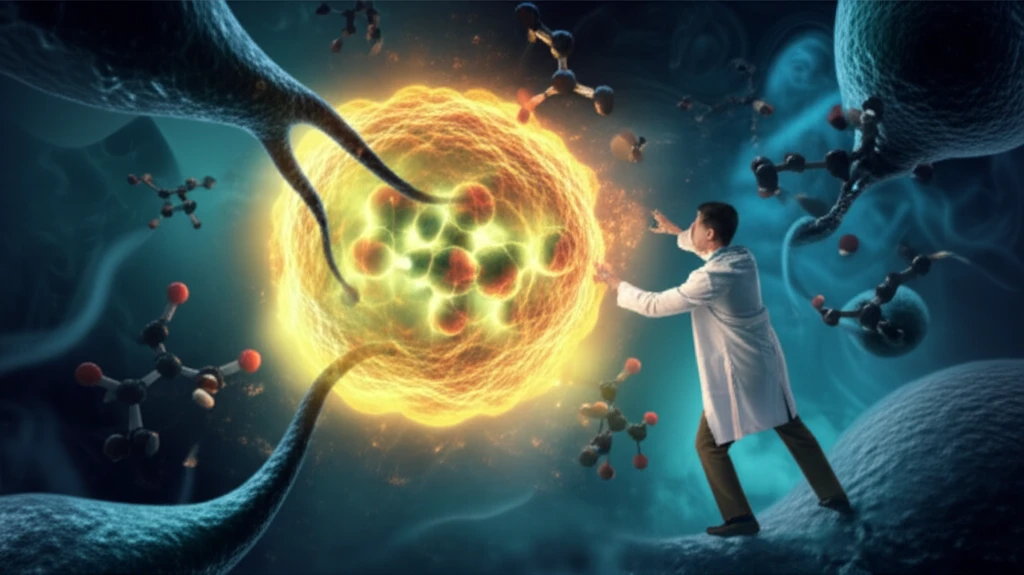
Illustration depicting the fight against methamphetamine damage inside a brain cell, with a focus on the autophagoproteasome and potential therapeutic interventions.

Unlocking the Brain's Mysteries: How Cutting-Edge Research Reveals a New Way to Fight Methamphetamine's Grip

"Groundbreaking Study Uncovers a Novel Pathway for Combating Methamphetamine-Induced Toxicity, Offering Hope for New Treatments and Understanding the Brain's Resilience."


In a world grappling with the devastating impact of methamphetamine abuse, a glimmer of hope emerges from the realm of scientific research. A groundbreaking study published in the journal Oxidative Medicine and Cellular Longevity, unveils a novel mechanism by which methamphetamine, a highly addictive and neurotoxic drug, inflicts its damage on the brain. This research not only deepens our understanding of the intricate pathways involved in methamphetamine-induced toxicity but also paves the way for potential new therapeutic strategies.

Methamphetamine's insidious effects have long been a subject of intense scrutiny. The drug's ability to wreak havoc on the brain's delicate systems, leading to a cascade of detrimental effects, is well-documented. But how exactly does meth accomplish this devastation? The answer, as this new study suggests, lies in the intricate cellular machinery responsible for clearing out harmful substances.

This article delves into the heart of this cutting-edge research, exploring its key findings and their implications for the future. We'll uncover the critical role of a cellular 'clearing system' – the autophagoproteasome – and how it is affected by methamphetamine. Furthermore, we'll examine how this knowledge could lead to the development of new interventions to combat the damaging effects of methamphetamine and improve the lives of those affected by addiction.

Unveiling the Cellular Battleground: The Autophagoproteasome and Methamphetamine's Assault

Illustration depicting the fight against methamphetamine damage inside a brain cell, with a focus on the autophagoproteasome and potential therapeutic interventions.

At the core of this research lies the autophagoproteasome (APP), a cellular structure acting as a combined cleanup crew, merging the functions of autophagy (ATG) and the ubiquitin-proteasome system (UPS). These systems are crucial for clearing out damaged proteins and cellular debris, safeguarding against oxidative stress, and maintaining cellular health. The study discovered that methamphetamine throws a wrench into this system.

The study found that the APP is strongly activated by mTOR inhibition, a pathway known to regulate cell growth and metabolism. When mTOR is inhibited, the APP is activated. However, methamphetamine interferes with this process. While it increases the number of cellular structures (vacuoles) associated with the APP, it disrupts the normal function and organization of the components that make up the APP. In essence, meth causes a breakdown in the APP's ability to function effectively.

  • Increased Cellular Structures: Methamphetamine leads to a significant increase in the number of cellular structures (vacuoles), suggesting an attempt by cells to clear the damage.
  • Disrupted Function: Methamphetamine disrupts the normal compartmentalization of LC3 particles, essential for effective cell clearing.
  • Loss of Compartmentalization: Methamphetamine interferes with the proper function of the APP by disrupting the compartmentalization of LC3, indicating a problem with the APP's ability to clear cellular waste.
To further understand the impact of methamphetamine on this cellular battleground, the researchers tested different substances. They found that the mTOR inhibitor rapamycin protected cells from harm, while an mTOR activator, asparagine, made things worse. These results underscore the importance of the mTOR pathway in governing how meth harms brain cells and also suggest potential targets for future treatments.

A Beacon of Hope: The Path Forward in Combating Methamphetamine Addiction

The findings of this study provide a fresh perspective on the impact of methamphetamine on the brain and offer the potential for novel therapeutic approaches. By elucidating the specific mechanisms of methamphetamine-induced toxicity, scientists have identified a potential target: the autophagoproteasome. The researchers' findings underscore the need for continued research into treatments that can stabilize the activity of the APP and mitigate the destructive effects of the drug, ultimately offering hope for individuals and communities affected by this devastating addiction. These discoveries highlight the incredible potential of scientific innovation to help in the fight against substance abuse.

About this Article -

This article was crafted using a human-AI hybrid and collaborative approach. AI assisted our team with initial drafting, research insights, identifying key questions, and image generation. Our human editors guided topic selection, defined the angle, structured the content, ensured factual accuracy and relevance, refined the tone, and conducted thorough editing to deliver helpful, high-quality information.See our About page for more information.

This article is based on research published under:

DOI-LINK: 10.1155/2018/6124745, Alternate LINK

Title: Mtor Modulates Methamphetamine-Induced Toxicity Through Cell Clearing Systems

Subject: Cell Biology

Journal: Oxidative Medicine and Cellular Longevity

Publisher: Hindawi Limited

Authors: Gloria Lazzeri, Francesca Biagioni, Federica Fulceri, Carla L. Busceti, Maria C. Scavuzzo, Chiara Ippolito, Alessandra Salvetti, Paola Lenzi, Francesco Fornai

Published: 2018-10-29

Everything You Need To Know

1

What is the autophagoproteasome (APP) and why is it important in the context of methamphetamine's effects on the brain?

The autophagoproteasome (APP) is a cellular structure that combines the functions of autophagy (ATG) and the ubiquitin-proteasome system (UPS). These components work together as a cleanup crew, clearing out damaged proteins and cellular debris to protect against oxidative stress and maintain overall cellular health. In the context of methamphetamine use, the APP's functionality is critical because the drug disrupts its normal operation, hindering the brain's ability to clear harmful substances, which leads to neurotoxicity and damage.

2

How does methamphetamine interfere with the autophagoproteasome (APP) according to the study?

According to the study, while methamphetamine increases the number of cellular structures (vacuoles) associated with the autophagoproteasome (APP), suggesting an attempt by cells to clear damage, it simultaneously disrupts the normal function and organization of the APP's components. Specifically, methamphetamine interferes with the compartmentalization of LC3 particles, which are essential for effective cell clearing. This disruption impairs the APP's ability to function effectively in removing cellular waste, ultimately contributing to the drug's toxic effects on the brain.

3

What role does the mTOR pathway play in how methamphetamine harms brain cells, and what potential treatments does this suggest?

The mTOR pathway plays a crucial role as it regulates cell growth and metabolism, and its inhibition activates the autophagoproteasome (APP). The study found that when mTOR is inhibited, the APP is activated. However, methamphetamine disrupts this process, preventing the APP from functioning correctly. This suggests that treatments aimed at modulating the mTOR pathway, such as using mTOR inhibitors like rapamycin to protect cells, or avoiding mTOR activators like asparagine that worsen the damage, could be potential therapeutic strategies to combat methamphetamine-induced toxicity.

4

Besides autophagy (ATG) and the ubiquitin-proteasome system (UPS), are there other cellular mechanisms involved in clearing damaged proteins in the brain, and how do they relate to the study's findings?

While the study focuses on the autophagoproteasome (APP), which combines autophagy (ATG) and the ubiquitin-proteasome system (UPS), other cellular mechanisms, such as chaperone-mediated autophagy and direct proteasomal degradation, also play a role in clearing damaged proteins. These mechanisms could interact with the APP or be independently affected by methamphetamine. Future research could explore how methamphetamine influences these additional pathways and whether targeting them in conjunction with the APP could offer synergistic therapeutic benefits. Investigating the interplay between these systems could provide a more comprehensive understanding of methamphetamine-induced neurotoxicity.

5

What are the implications of the study's findings for developing new treatments for methamphetamine addiction, and what future research is needed?

The study's findings highlight the autophagoproteasome (APP) as a potential therapeutic target for combating methamphetamine addiction. By elucidating how methamphetamine disrupts the APP's function, researchers can explore treatments aimed at stabilizing the APP's activity and mitigating the drug's destructive effects. Future research should focus on developing drugs that can specifically enhance or restore the APP's function in the presence of methamphetamine. Additionally, longitudinal studies are needed to understand the long-term effects of methamphetamine on the APP and to evaluate the efficacy of potential treatments in reversing or preventing brain damage associated with chronic methamphetamine use. This includes clinical trials to test novel therapeutic interventions in human populations affected by methamphetamine addiction.

Newsletter Subscribe

Subscribe to get the latest articles and insights directly in your inbox.