
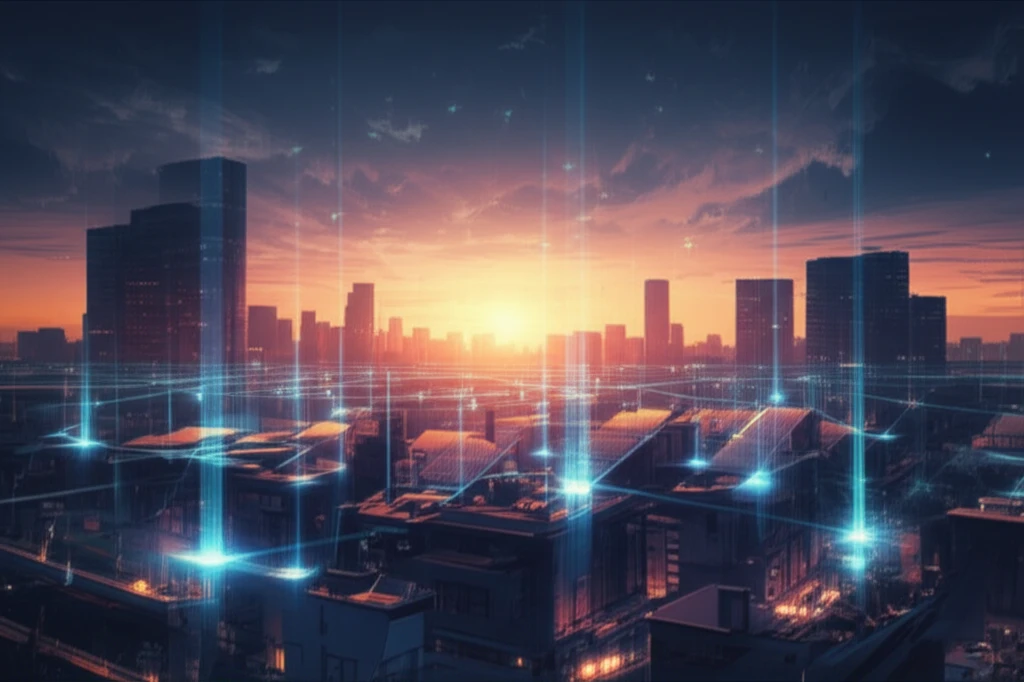
Illustration of a futuristic city powered by solar energy and smart grid technology.

Unlocking Solar's Potential: How Smart Grids are Transforming Energy for a Brighter Future

"From Solar Panels to Smart Grids: A Deep Dive into the Future of Sustainable Energy"


In an era defined by environmental consciousness and technological advancement, the convergence of solar power and smart grid technology is emerging as a cornerstone of a sustainable energy future. This powerful combination is not just about harnessing the sun's energy; it's about transforming how we generate, distribute, and consume electricity. As the world grapples with climate change and the need for cleaner energy sources, understanding the interplay between solar power and smart grids becomes increasingly crucial.

Solar energy, once a niche alternative, is now a mainstream player in the global energy landscape. The declining costs of solar panels, coupled with increasing efficiency and government incentives, have fueled rapid growth in solar installations. However, the intermittent nature of solar power – its dependence on sunlight – poses challenges for the traditional grid. This is where smart grid technology steps in, offering solutions to integrate solar power seamlessly and efficiently.

This article delves into the exciting world of solar power and smart grids, exploring the benefits, challenges, and innovations that are shaping the future of energy. We'll examine how smart grids optimize the distribution of solar energy, the economic and environmental advantages of this integration, and the key technological advancements driving this transformation. Get ready to discover how solar and smart grids are working together to create a brighter, more sustainable future for all.

The Symbiotic Relationship: Solar Power and Smart Grids

Illustration of a futuristic city powered by solar energy and smart grid technology.

The relationship between solar power and smart grids is a symbiotic one. Smart grids are essentially modernized electrical grids that use digital technology to monitor and manage the flow of electricity. They incorporate two-way communication, advanced sensors, and automation to improve efficiency, reliability, and sustainability. Solar power, on the other hand, is a renewable energy source that converts sunlight directly into electricity using photovoltaic (PV) panels.

Smart grids enhance the integration of solar power in several ways. They can dynamically balance the supply and demand of electricity, which is particularly important with the intermittent nature of solar energy. Smart grids can also predict solar energy generation, enabling utilities to optimize their operations and reduce reliance on fossil fuels. Furthermore, they enable the use of distributed generation, where electricity is generated closer to where it is consumed, reducing transmission losses and increasing grid resilience.

  • Enhanced Efficiency: Smart grids use real-time data to optimize energy distribution, reducing waste and improving overall efficiency.
  • Improved Reliability: Advanced sensors and automation in smart grids can quickly detect and respond to outages, ensuring a more reliable electricity supply.
  • Increased Sustainability: Smart grids facilitate the integration of renewable energy sources, like solar power, helping to reduce carbon emissions and combat climate change.
  • Cost Savings: Smart grids can reduce energy costs for consumers and utilities by optimizing energy use and reducing waste.
The integration of solar power and smart grids is not just a technological upgrade; it represents a fundamental shift in how we approach energy. It empowers consumers, provides greater control over energy usage, and supports a cleaner, more sustainable energy future.

A Brighter Future Powered by the Sun and Smart Technology

The fusion of solar power and smart grid technology is a pivotal development in the quest for a sustainable energy future. By harnessing the sun's abundant energy and leveraging the intelligence of smart grids, we can create a power system that is cleaner, more efficient, and more resilient. As we continue to innovate and adapt, the path towards a future powered by solar energy and smart grids offers hope for a healthier planet and a more prosperous society.

About this Article -

This article was crafted using a human-AI hybrid and collaborative approach. AI assisted our team with initial drafting, research insights, identifying key questions, and image generation. Our human editors guided topic selection, defined the angle, structured the content, ensured factual accuracy and relevance, refined the tone, and conducted thorough editing to deliver helpful, high-quality information.See our About page for more information.

This article is based on research published under:

DOI-LINK: 10.1051/matecconf/201822504024, Alternate LINK

Title: Impact Of Photovoltaic Plant Outputs In Distribution Networks

Subject: General Medicine

Journal: MATEC Web of Conferences

Publisher: EDP Sciences

Authors: Abid Ali Jamali, Nursyarizal Mohd Nor, Taib Ibrahim, Mohd Fakhizan Romlie, Zahid Khan

Published: 2018-01-01

Everything You Need To Know

1

How do smart grids specifically enhance the integration of solar power?

Smart grids enhance the integration of solar power by dynamically balancing electricity supply and demand, crucial due to the intermittent nature of solar energy. They predict solar energy generation, enabling utilities to optimize operations and reduce reliance on fossil fuels. Additionally, smart grids facilitate distributed generation, positioning electricity generation closer to consumption, which reduces transmission losses and enhances grid resilience. The smart grid uses digital technology to monitor and manage the flow of electricity. This includes two-way communication, advanced sensors, and automation to improve efficiency, reliability, and sustainability.

2

What are the key benefits of using smart grids for energy distribution?

Smart grids offer several key benefits including enhanced efficiency through real-time data optimization, improved reliability by quickly detecting and responding to outages, increased sustainability by facilitating the integration of renewable energy sources like solar power, and cost savings for both consumers and utilities by optimizing energy use and reducing waste. These benefits are realized through the smart grids modernized electrical grids that use digital technology to monitor and manage the flow of electricity. They incorporate two-way communication, advanced sensors, and automation to improve efficiency, reliability, and sustainability.

3

Why is the combination of solar power and smart grid technology considered a 'symbiotic relationship'?

The relationship between solar power and smart grids is symbiotic because they mutually benefit each other. Solar power provides a clean, renewable energy source, while smart grids optimize the distribution and management of this energy. Smart grids address the intermittency of solar power by dynamically balancing supply and demand. This synergy is crucial for creating a sustainable and efficient energy ecosystem. Solar power converts sunlight directly into electricity using photovoltaic (PV) panels.

4

In what ways do smart grids contribute to a more sustainable energy future?

Smart grids contribute to a sustainable energy future by enabling the seamless integration of renewable energy sources like solar power, reducing carbon emissions, and improving overall energy efficiency. They optimize energy distribution, minimize waste, and support distributed generation, which reduces transmission losses. This integration empowers consumers, provides greater control over energy usage, and supports a cleaner, more sustainable energy future. Without smart grids the intermittent nature of solar power – its dependence on sunlight - would pose challenges for the traditional grid.

5

What fundamental shift does the integration of solar power and smart grids represent in our approach to energy?

The integration of solar power and smart grids represents a shift towards a more decentralized, efficient, and sustainable energy system. It moves away from traditional, centralized power generation and distribution models to a system that empowers consumers with greater control over their energy usage. This fusion also supports a cleaner energy future by reducing reliance on fossil fuels and promoting the use of renewable resources. Solar energy converts sunlight directly into electricity using photovoltaic (PV) panels. Smart grids use digital technology to monitor and manage the flow of electricity and incorporate two-way communication.

Newsletter Subscribe

Subscribe to get the latest articles and insights directly in your inbox.