
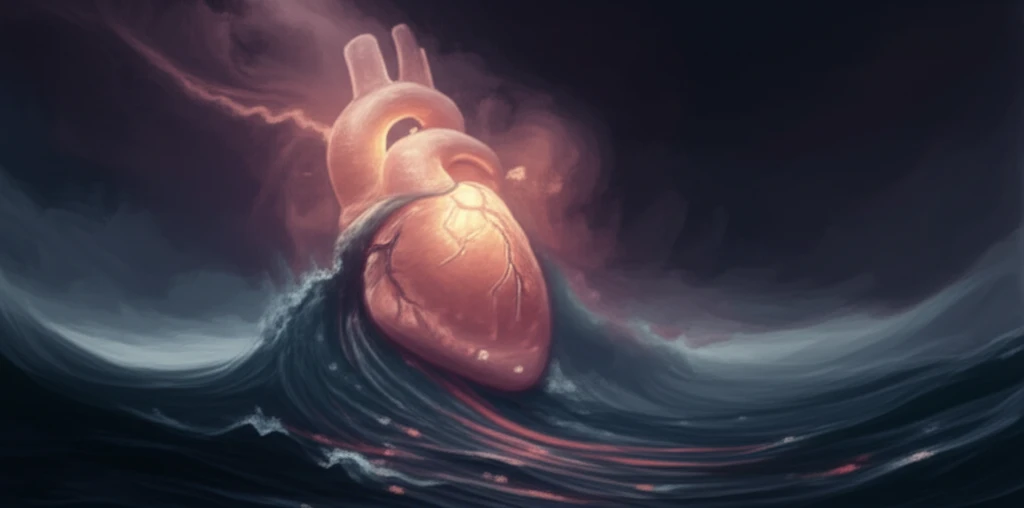
Rebuilding After a Cardiac Event: A Woman's Guide to Recovery and Renewed Well-being

"Navigating the emotional and physical challenges of recovery, reclaiming your confidence, and embracing life after a cardiac event."
Experiencing a cardiac event (CE) can be a life-altering experience, especially for women. Beyond the immediate medical concerns, many women face unique challenges during recovery, including heightened anxiety, uncertainty, and a feeling of disconnect from their own bodies. Understanding these experiences is crucial for providing effective and supportive care.
While cardiac rehabilitation programs (CRPs) are designed to aid recovery, studies show that women often underutilize these resources. This disparity highlights the need for a deeper understanding of the specific barriers and experiences that women encounter on their journey to recovery.
This article explores the multifaceted recovery process for women after a cardiac event. It delves into the emotional, physical, and social aspects of healing, offering insights and practical advice to help women rebuild their confidence, navigate their "new normal," and embrace a fulfilling life after a CE.
IHSS Electronic Services Portal
The IHSS Electronic Services Portal is presented as an online system for managing timesheets, payment history, direct deposit, and sick leave claims. IHSS/WPCS providers can use the portal's Financial menu and Payment Search to view and download pay stubs by entering the first day of a pay period. The portal also provides an online process for resetting a forgotten username or password.
The Unreliable Body: Navigating Physical and Emotional Aftermath After a Cardiac Arrest
One of the most significant challenges women face after a cardiac event is the feeling of living in an "unreliable body." The physical trauma of the event, coupled with the fear of recurrence, can lead to a sense of vulnerability and a disconnect from their own physical selves. Many women describe feeling a constant need to monitor their bodies, interpreting every ache, pain, or palpitation as a sign of impending danger.
- Fear of Overexertion: Many women fear pushing themselves too hard, leading to a reluctance to engage in physical activity, even when it's recommended for recovery.
- Lack of Guidance: Insufficient guidance and support after discharge can exacerbate anxiety and uncertainty. Women often feel lost and unsure of how to manage their symptoms or when to seek help.
- Emotional Toll: The emotional impact of a cardiac event should not be underestimated. Feelings of anxiety, depression, and vulnerability are common and can significantly hinder the recovery process.
Recovery Through Individual Engagement
The Canadian Women's Heart Health Alliance Atlas emphasizes finding inner value by focusing on individual needs and subjective well-being. It reports that women identified engagement in behavioral, social, and psychological activities as important to recovery after a cardiac event. This perspective places personal priorities and active participation at the center of the recovery process.
Gaps After Discharge
A study of women's experiences after a cardiac event reports that lack of support and follow-up after discharge appeared to disturb recovery progress. The finding highlights how post-discharge care can affect a woman's ability to continue recovering. The other listed sources concern making Singapore-style tofu and do not provide evidence about cardiac recovery.
Managing Event Access
SeatGeek allows users to buy and sell concert, sports, and theater tickets and find nearby events. Sellers can edit or delist listings through the Tickets section of their SeatGeek account, while eligible tickets can be added through the website or mobile app to keep them in one place. The platform also states that it is integrated with favorite teams so that, after a sale, tickets are transferred to the buyer and payment is issued to the seller.
Empowering Women on the Road to Recovery
The journey to recovery after a cardiac event is unique for every woman. By understanding the specific challenges women face, healthcare professionals, family, and friends can provide more effective and compassionate support. Encouraging open communication, addressing emotional needs, and promoting a sense of control can empower women to regain their confidence, rebuild their lives, and embrace a healthier, more fulfilling future.
Facebook Connectivity
Facebook's listed services include Messenger, Facebook Lite, Video, Places, Games, Marketplace, Meta Pay, Meta Store, Meta Quest, Ray-Ban Meta, Meta AI, Instagram, Threads, and Fundraisers. Facebook also describes its platform as a way to connect and share with friends, family, and the world. The listed login page provides fields for an email or mobile number and password.
A Fictional World of Recovery
The Witcher 3: Wild Hunt is described on Steam as a role-playing game set in a dark fantasy open world. Its protagonist is Geralt of Rivia, a monster slayer who searches for his adopted daughter, Ciri. The listed sources also describe a Remastered version with upgrades and enhancements and a Hearts of Stone original game soundtrack.
Cystic Fibrosis and Its Impact
Cystic fibrosis is described as an inherited or genetic disease caused by a defective gene that can be passed from generation to generation. The condition can damage the lungs, digestive tract, and other organs, while thick, sticky mucus can build up in organs and block or damage them. The Cystic Fibrosis Foundation describes itself as a leader in the search for a cure and supports research initiatives addressing the disease from multiple angles.