
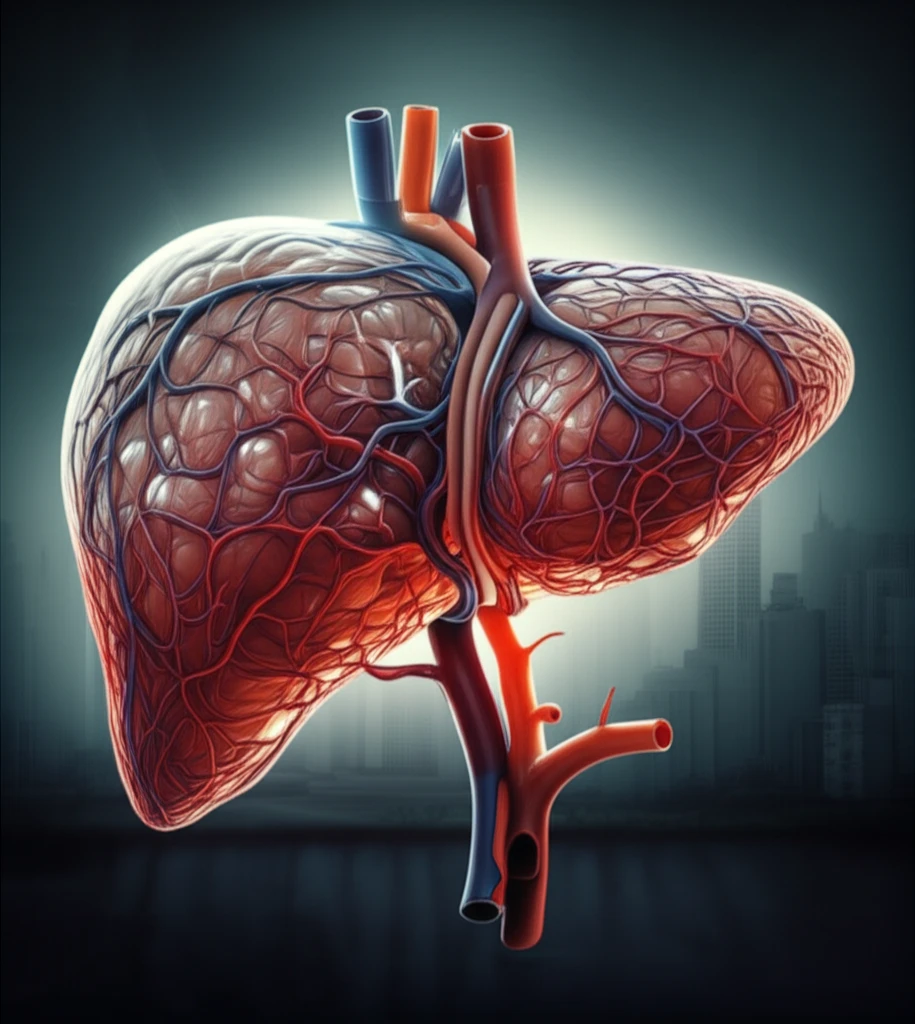
Unlocking NASH Treatment: Can Angiogenesis Hold the Key to a Cure?

"A deeper look into how targeting blood vessel growth could revolutionize the fight against fatty liver disease and its progression to cancer."
The role of angiogenesis in the progression of liver diseases, specifically nonalcoholic steatohepatitis (NASH), is gaining significant attention. Angiogenesis, the process of forming new blood vessels, is intricately linked to fibrogenesis, where proangiogenic mediators drive injury and promote the development of fibrosis.
Understanding these mechanisms is crucial, as NASH, a severe form of nonalcoholic fatty liver disease (NAFLD), can advance to hepatocellular cancer (HCC). Given the global impact of these diseases, exploring new therapeutic avenues is paramount.
Recent studies have highlighted the potential of targeting angiogenesis to treat NASH and prevent its progression. This article delves into these advancements, focusing on the innovative work exploring the angiopoietin-Tie2 signaling pathway and its implications for NASH treatment.
Targeting Angiogenesis: A New Approach to NASH Treatment
Research has demonstrated that increased angiogenesis, indicated by elevated levels of CD34 immunostaining, is evident in liver samples from NASH patients, particularly those with advanced fibrosis. This observation has led to investigations into angiogenic signaling pathways in preclinical NASH models.
- Angiogenesis plays a significant role in the progression of NASH and liver fibrosis.
- Targeting VEGF signaling can reduce the angiogenic response and improve liver health in preclinical models.
Future Directions: Paving the Way for Clinical Trials
Studies reveal elevated ANG2 levels in NASH patients, correlating with inflammation and neovascularization markers. Inhibiting ANG2 signaling via Tie2, using an engineered antibody (L1-10), has shown promising results in preclinical models. Administering L1-10 reduced inflammation and fibrosis in MCD-fed mice, and decreased abnormal angiogenesis.
Further studies demonstrated that L1-10 treatment could mitigate the development of HCC in a streptozotocin-western diet model of NASH. While steatosis and inflammation remained largely unaffected, the treatment reduced tumor burden and decreased the expression of tumor-associated markers.
These studies highlight the potential of targeting ANG2-Tie interactions in NASH treatment. Further research is needed to explore the underlying mechanisms and determine the long-term effects of these interventions. Ultimately, these findings could pave the way for clinical trials and novel therapeutic strategies for NASH and associated complications.