
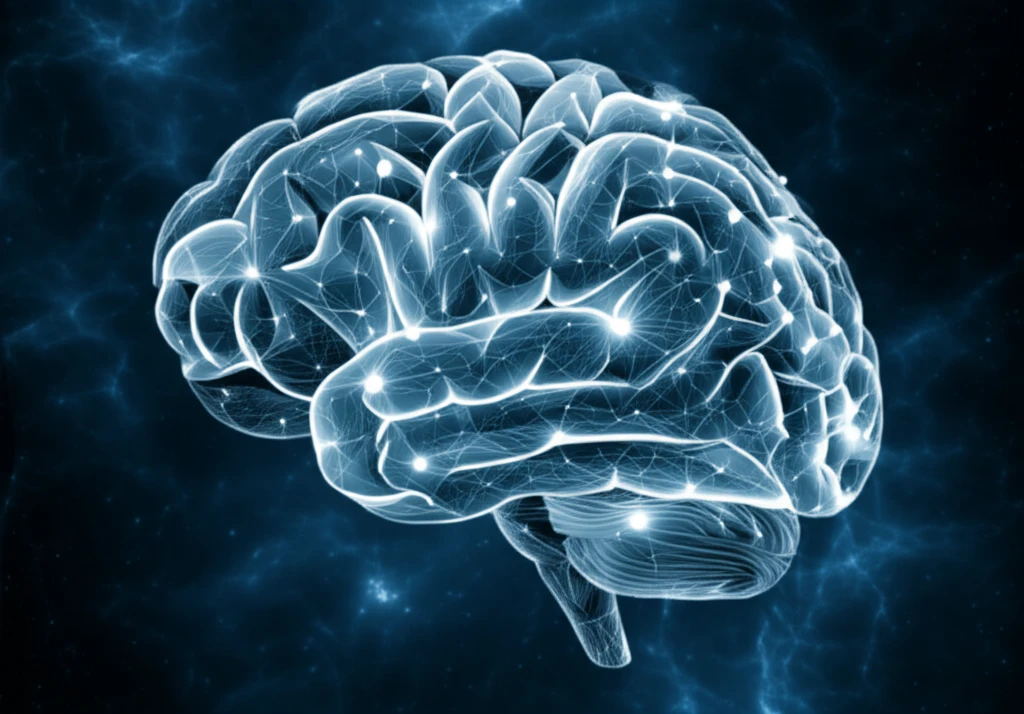
A digital illustration of a connected brain, highlighting pathways, for Alzheimer's research.

Unlocking Alzheimer's: How Brain Imaging Terminology Could Revolutionize Diagnosis

"A New Controlled Vocabulary, the Neuroimaging Feature Terminology (NIFT), Aims to Standardize the Language of Brain Scans and Speed Up Alzheimer's Research"


Imagine trying to assemble a complex puzzle when everyone describes the pieces differently. That's the challenge researchers face when studying Alzheimer's disease using brain imaging. Different labs might use different terms to describe the same feature on a scan, making it difficult to compare results and accelerate discoveries.

Alzheimer's disease affects millions worldwide, and early diagnosis is crucial for managing the disease and developing effective treatments. Brain imaging techniques like MRI and PET scans play a vital role in identifying changes in the brain that are indicative of Alzheimer's. However, the lack of standardized terminology has been a significant hurdle.

Now, a team of researchers is tackling this problem head-on. They've developed a controlled vocabulary called the Neuroimaging Feature Terminology (NIFT) designed to create a common language for describing brain imaging features related to neurodegenerative diseases.

Why a Common Language for Brain Scans Matters in Alzheimer's?

A digital illustration of a connected brain, highlighting pathways, for Alzheimer's research.

The power of NIFT lies in its potential to bridge the gap between clinical observations and the underlying biological processes of Alzheimer's. Neuroimaging provides a non-invasive window into the brain, allowing doctors and researchers to visualize structural and functional changes associated with the disease. But these observations need to be described accurately and consistently.

Think of it like this: a doctor might notice "atrophy" (shrinkage) in a specific region of the brain on an MRI scan. But what kind of atrophy is it? Where exactly is it located? How severe is it? NIFT provides a standardized way to answer these questions, ensuring everyone is on the same page.

  • Improved Data Sharing: NIFT facilitates the integration of data from different research centers, leading to larger and more robust studies.
  • More Accurate Diagnosis: By standardizing the description of brain imaging features, NIFT can help clinicians make more accurate and timely diagnoses.
  • Accelerated Drug Development: NIFT can help researchers identify potential drug targets and track the effectiveness of new treatments more efficiently.
  • Better Understanding of Disease Progression: With a common language, it becomes easier to track how Alzheimer's disease progresses over time and identify factors that influence its course.
The researchers emphasize that NIFT isn't just a list of terms; it's a structured system for organizing knowledge about brain imaging features. This allows for more nuanced and detailed descriptions, capturing the complexity of Alzheimer's disease.

Looking Ahead: NIFT and the Future of Alzheimer's Research

The development of NIFT is a significant step forward in the fight against Alzheimer's disease. By providing a common language for describing brain imaging features, NIFT has the potential to accelerate research, improve diagnosis, and ultimately lead to better treatments for this devastating disease. As the terminology continues to evolve and be adopted by the wider research community, we can expect to see even greater progress in our understanding and management of Alzheimer's.

About this Article -

This article was crafted using a human-AI hybrid and collaborative approach. AI assisted our team with initial drafting, research insights, identifying key questions, and image generation. Our human editors guided topic selection, defined the angle, structured the content, ensured factual accuracy and relevance, refined the tone, and conducted thorough editing to deliver helpful, high-quality information.See our About page for more information.

Everything You Need To Know

1

What is the Neuroimaging Feature Terminology (NIFT), and why is it important for Alzheimer's research?

The Neuroimaging Feature Terminology, or NIFT, is a structured vocabulary created to standardize the description of features observed in brain scans, particularly in the context of neurodegenerative diseases like Alzheimer's. It aims to provide a common language for researchers and clinicians when interpreting brain images obtained through methods like MRI and PET scans. This shared language ensures that everyone uses the same terms to describe findings such as atrophy or other structural and functional changes. NIFT is important because it addresses a critical challenge in Alzheimer's research: the inconsistent use of terminology. Without a standardized vocabulary, it's difficult to compare results across different studies or even different clinical settings. NIFT facilitates more effective data sharing, more accurate diagnoses, accelerated drug development, and a better understanding of how Alzheimer's progresses over time. By using NIFT, the subtle but crucial details in brain scans are consistently and accurately documented, leading to more reliable insights into the disease.

2

How does the Neuroimaging Feature Terminology (NIFT) help improve data sharing among researchers studying Alzheimer's?

NIFT helps improve data sharing by establishing a common language for describing brain imaging features. When researchers use different terms to describe the same observation, it becomes challenging to combine and compare data from various studies. NIFT addresses this by providing a standardized vocabulary. This standardization enables the integration of data from different research centers, leading to larger and more robust studies. Larger datasets analyzed with a common language will improve the statistical power and reliability of research findings, ultimately accelerating the pace of discovery in Alzheimer's research. Without NIFT, valuable data might remain siloed, hindering progress in understanding and treating the disease.

3

In what ways does the Neuroimaging Feature Terminology (NIFT) assist doctors in making more accurate diagnoses of Alzheimer's disease?

NIFT assists in making more accurate diagnoses by standardizing the description of brain imaging features. In clinical practice, doctors use brain scans like MRIs and PET scans to identify changes indicative of Alzheimer's disease, such as atrophy or the presence of amyloid plaques. NIFT provides a precise and consistent way to document these observations, reducing the ambiguity and variability in interpretations. With NIFT, clinicians are better equipped to identify subtle but significant changes in the brain, leading to earlier and more accurate diagnoses. This is crucial because early diagnosis allows for timely intervention and management of the disease. The standardized terminology ensures that all healthcare professionals are on the same page, minimizing the risk of misdiagnosis or delayed diagnosis.

4

How can the Neuroimaging Feature Terminology (NIFT) contribute to accelerating the development of new drugs for Alzheimer's?

NIFT can help accelerate drug development by providing a standardized way to assess the effectiveness of new treatments. In clinical trials, brain imaging is often used to track how a drug affects the brain. NIFT allows researchers to consistently and accurately measure changes in brain structure and function, making it easier to determine whether a treatment is working. By using NIFT, researchers can identify potential drug targets and track the effectiveness of new treatments more efficiently. A standardized vocabulary ensures that results are comparable across different trials and research centers, facilitating a more rapid and reliable evaluation of new therapies. This will also ensure proper assessment of any adverse effects during trials.

5

Is the Neuroimaging Feature Terminology (NIFT) just a list of terms, or is there more to it? How does it help capture the complexity of Alzheimer's disease?

NIFT is not simply a list of terms, it is a structured system for organizing knowledge about brain imaging features. This structure allows for nuanced and detailed descriptions, capturing the complexity of Alzheimer's disease. It provides a framework that connects specific imaging observations to underlying biological processes. NIFT allows users to describe the type of atrophy, its location, and its severity, along with other relevant details. This level of detail is crucial for understanding the full picture of Alzheimer's, as it acknowledges that the disease manifests differently in each person. The structured nature of NIFT ensures that important information is not overlooked, leading to a more comprehensive understanding of the disease.

Newsletter Subscribe

Subscribe to get the latest articles and insights directly in your inbox.